Wednesday, May 17
The Column Sets Out
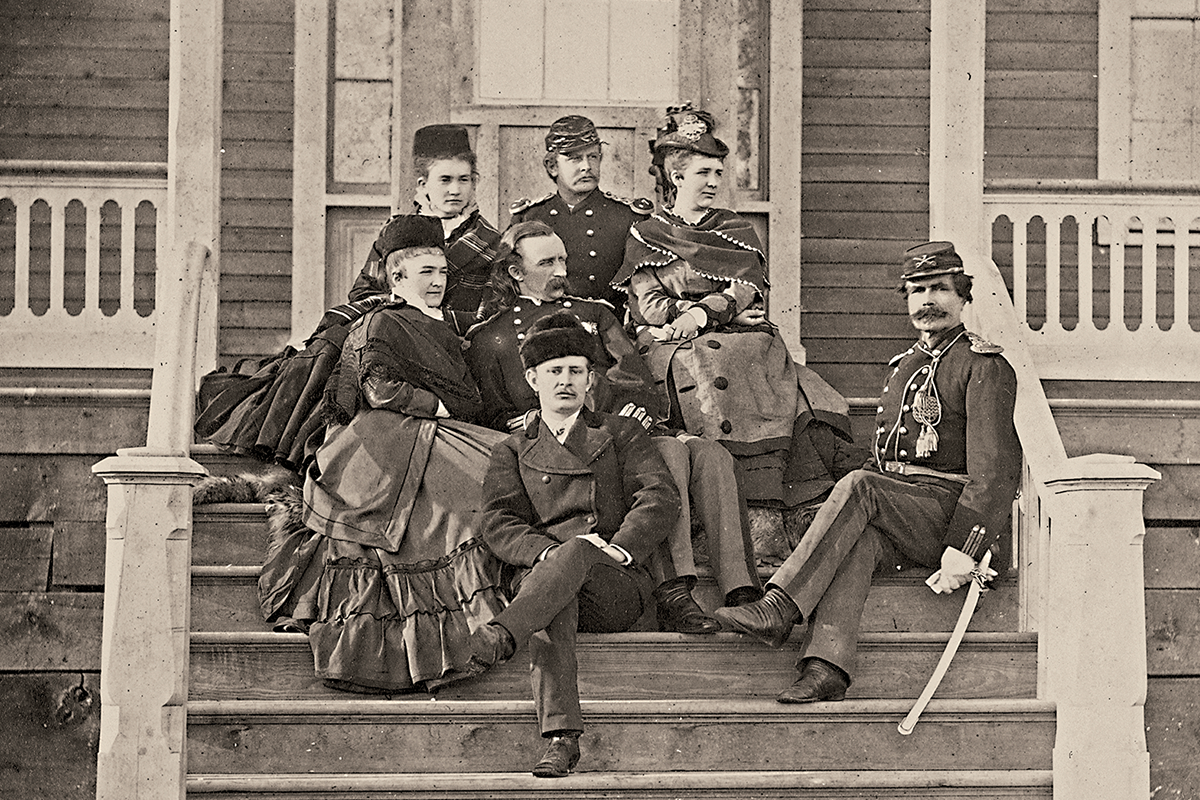
George Custer with family and friends at his home at Fort Abraham Lincoln
In May of 1876 the Cavalry Post at Fort Abraham Lincoln had been abuzz with activity. The frontier Army post along the Missouri River near the town of Bismarck, Dakota Territory, was the base of the 7th Cavalry Regiment, and the time was fast approaching for the long anticipated march against the “hostiles” of the Sioux Nation that had failed to heed the government’s order to relocate to their reservations during the bitter cold winter.
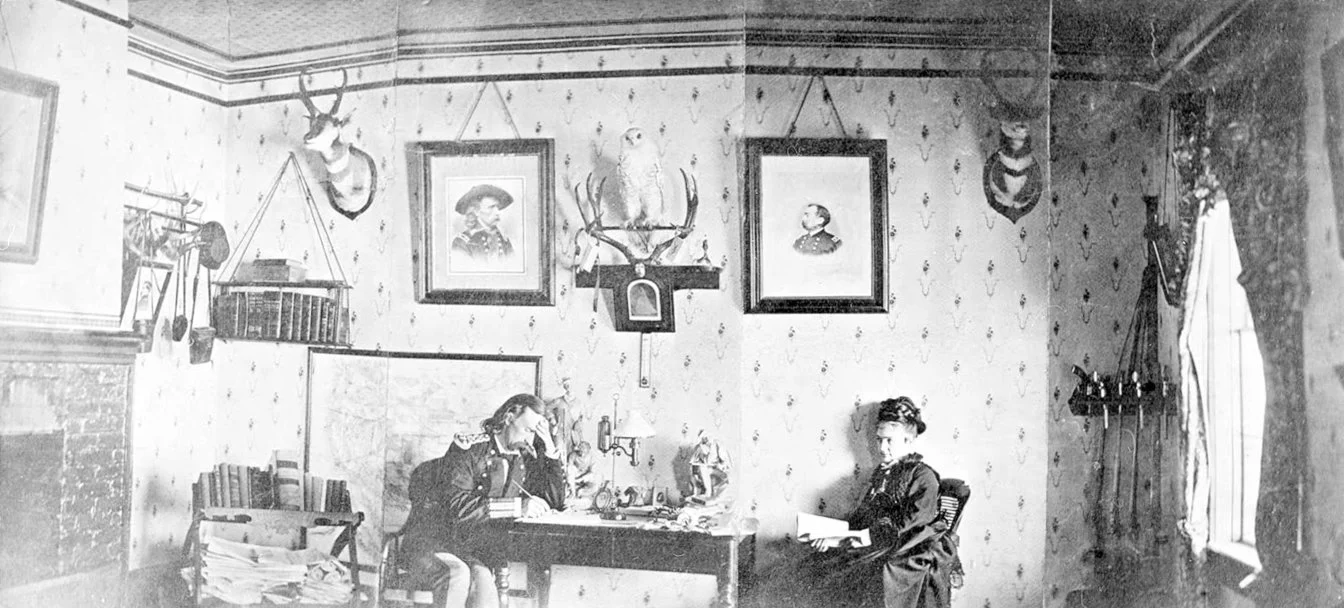
Custer with his wife, Libbie, at Fort Lincoln
In total, the 7th mustered twelve companies of troopers, as well as additional infantry units and a Gatling battery in support. When they marched out on 17 May they would also be accompanied by a sizeable force of scouts, guides and interpreters, including four Crow and thirty Arikara indian scouts, including Custer’s friend Bloody Knife of the Arikara. Commanding these scouts was Lt. Charles Varnum, a relatively young officer who had served previously in the Black Hills Expedition two years prior.
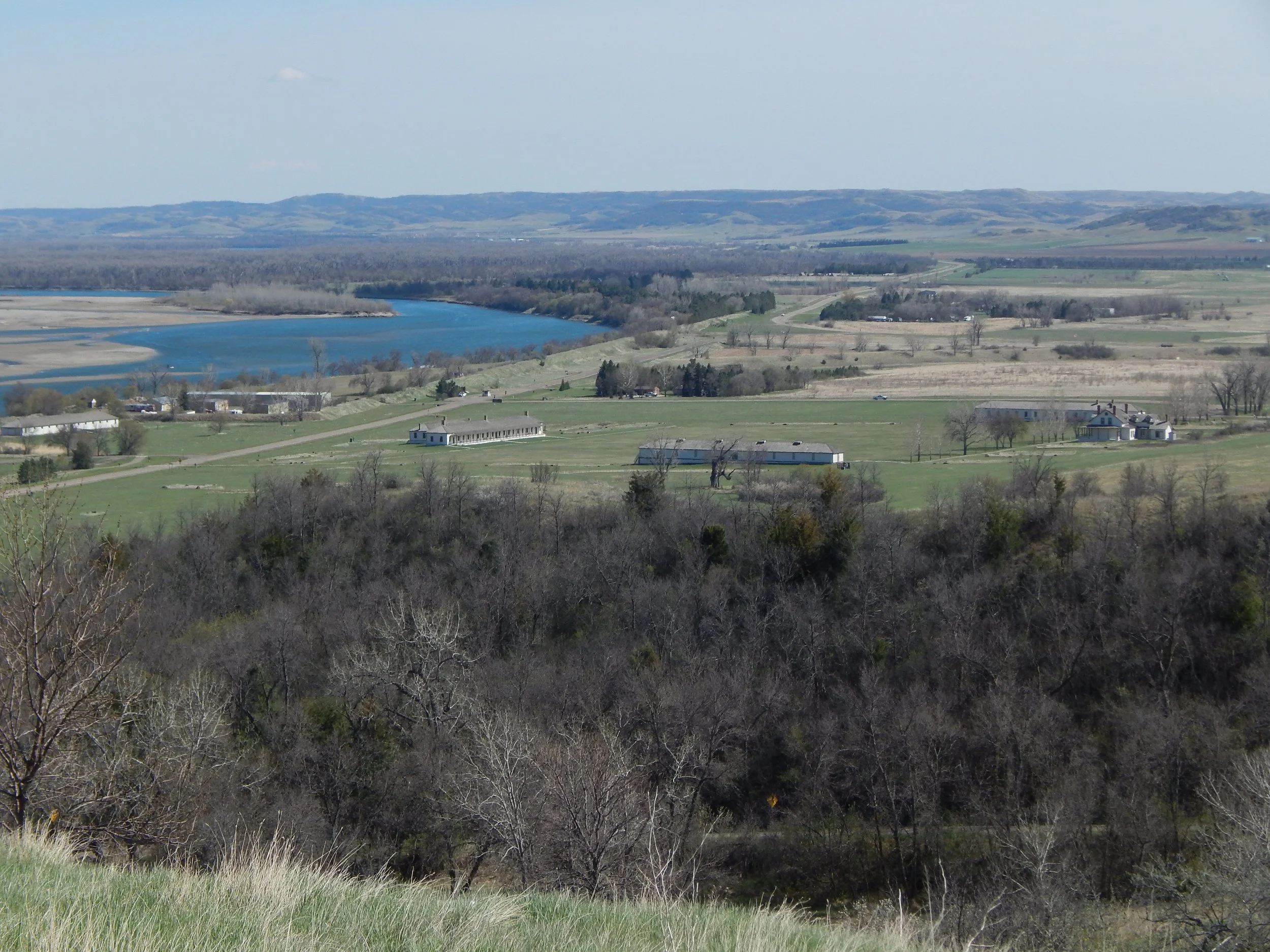
The cavalry post at Fort Abraham Lincoln as it is today, with reconstructed buildings. Note the proximity of the Missouri River to the post
Disturbing reports had been coming into Fort Lincoln over the preceding weeks regarding the situation to the west. As the tribes began to move with the spring grass to feed their pony herds, and the indian agent at Standing Rock had reported that a large quantity of young men had left to join Sitting Bull in Montana. Attacks on settlers and prospectors were also increasing as well, as the volatile situation threatened to boil over.
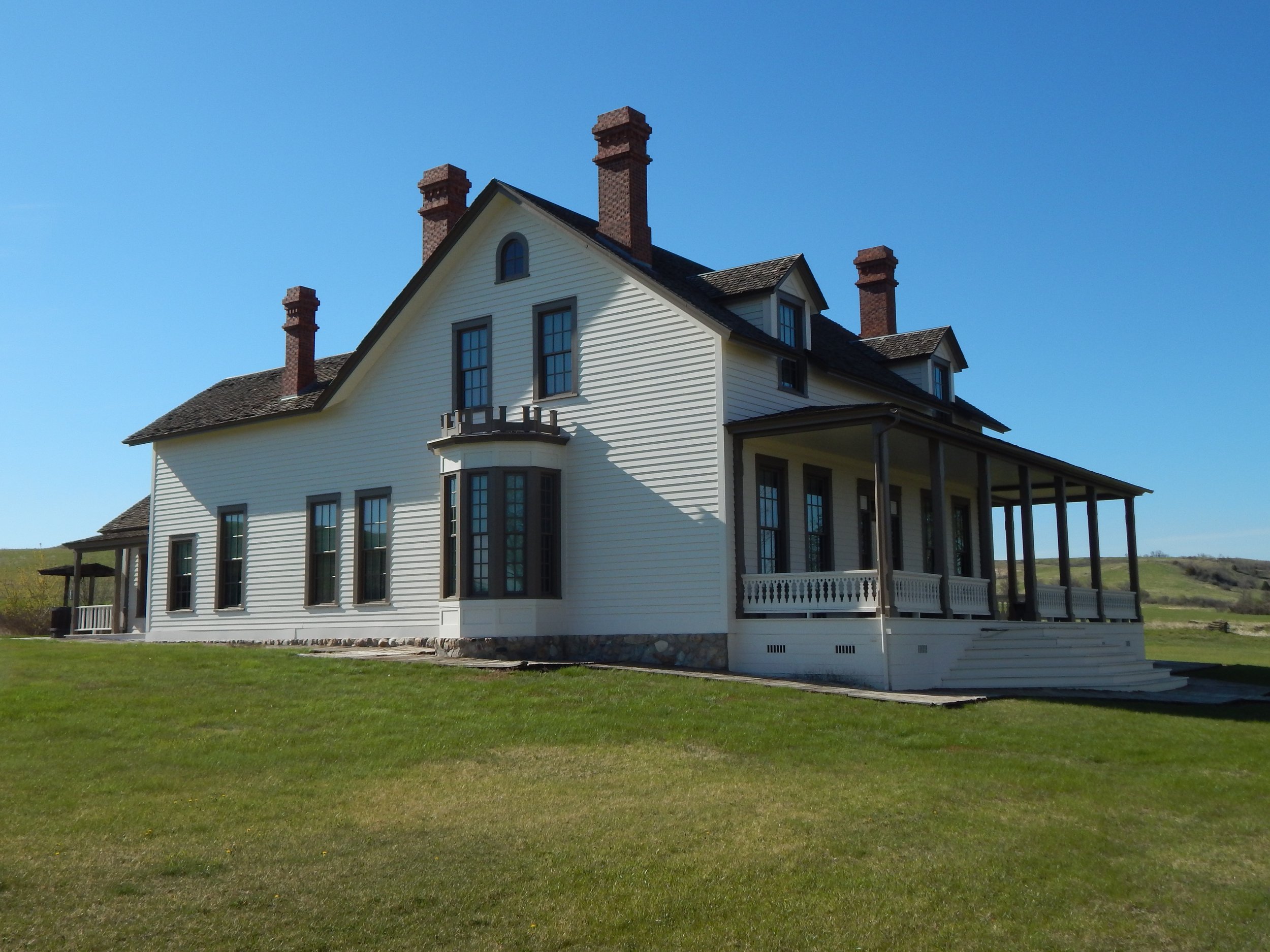
The reconstructed quarters of Custer at Fort Abraham Lincoln
Held up due to the issues with President Grant, General Custer was unable to return to the fort as early as hoped. Arriving back at Fort Lincoln early in May, the column was finally able to set out early on the morning of 17 May, following a march around the Fort Lincoln parade grounds. This would be the first time in the history of the 7th Cavalry that all of its battalions had marched together, having previously been spread across a number of frontier posts.
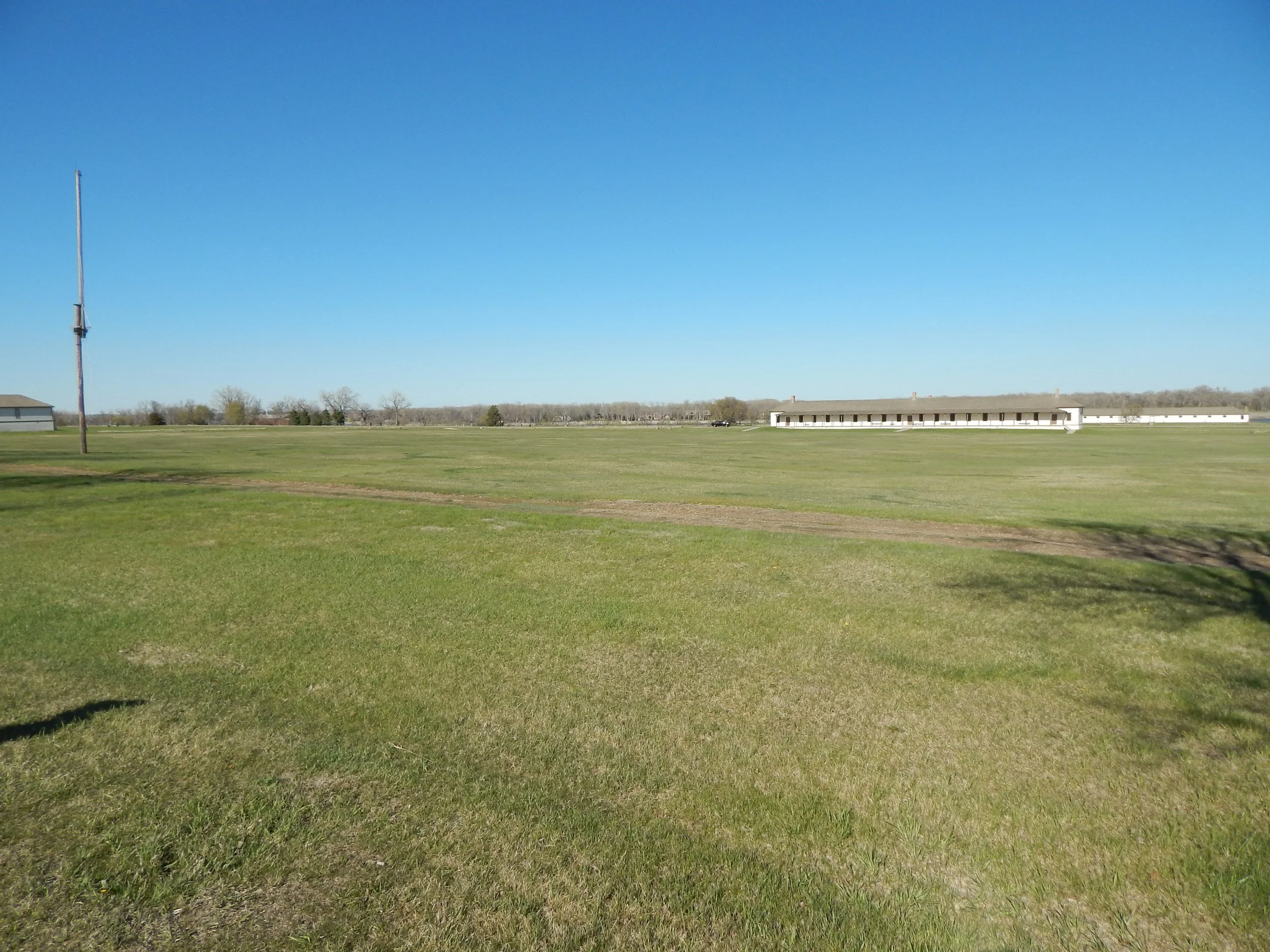
The parade ground at the Fort Lincoln cavalry post
With the regimental band playing the 7th’s anthem, “Gary Owen”, the troopers marched out of the fort, with Libbie Custer accompanying her husband mounted on the Colonel’s horse Dandy. The column would cover thirteen miles on the first day¹, and only now, well clear of the temptations of the frontier town of Bismarck, were the troopers issued their pay. Camp was made tonight along a bend in the Heart River, near a useable ford.
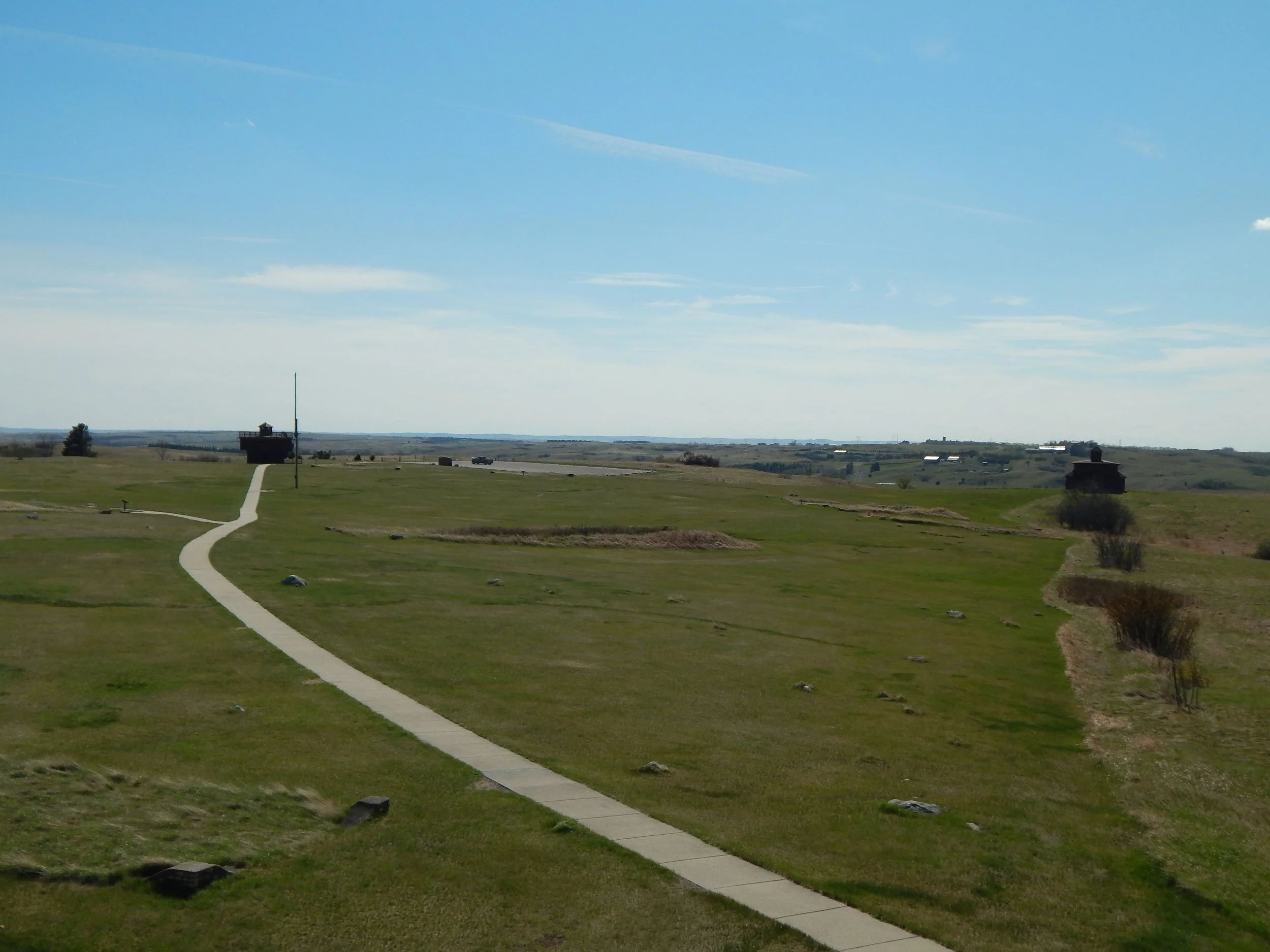
A view from the infantry post at Fort Lincoln, looking west over the prairie
Research Trip
The author visited Fort Abraham Lincoln State Park, as it is now known, on 9 May of 2026 as part of a research trip to sites related to the Little Bighorn Campaign and the Great Sioux War. Located just outside of Mandan, itself just across the river from the North Dakota state capitol of Bismarck, the fort now plays host to a campground as well as reconstructed buildings (the original structures were all cannibalized for construction in the city after the closure of the fort in 1891). A reconstructed Mandan village also exists on the site, replicating one that had stood there until a smallpox epidemic destroyed it in the late eighteenth century.
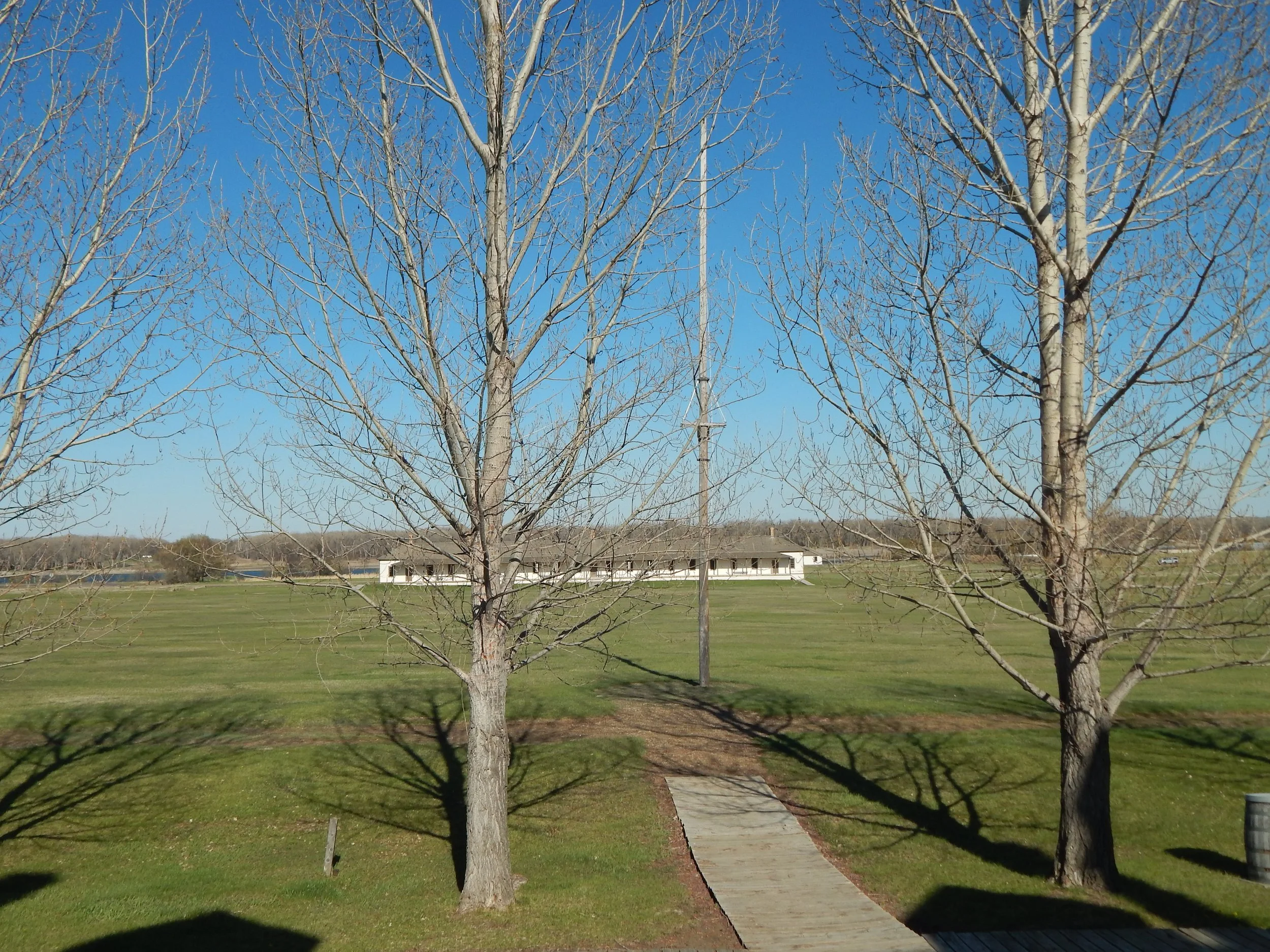
The parade ground at Fort Lincoln, as seen from Custer’s front porch
At the time of the trip, the park was not yet fully open for the season, and as a result it was not possible to access the interior of the Custer House, but the well kept park still made for an excellent stop with much to see and do. A small museum accompanies a gift shop at the Visitor Center, and a beautiful campground exists along the Missouri River as well.
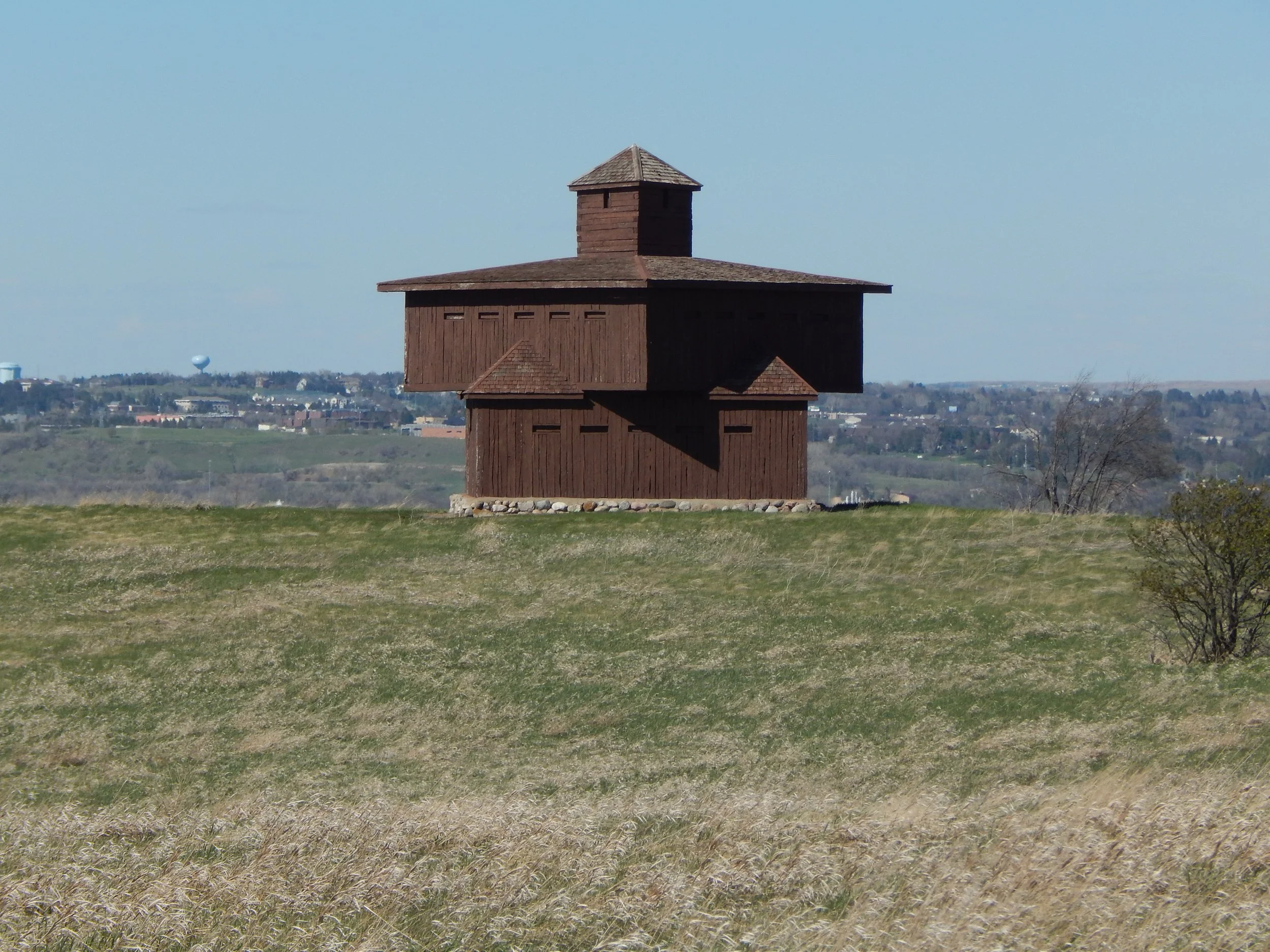
A rebuilt blockhouse at the Fort Lincoln infantry post
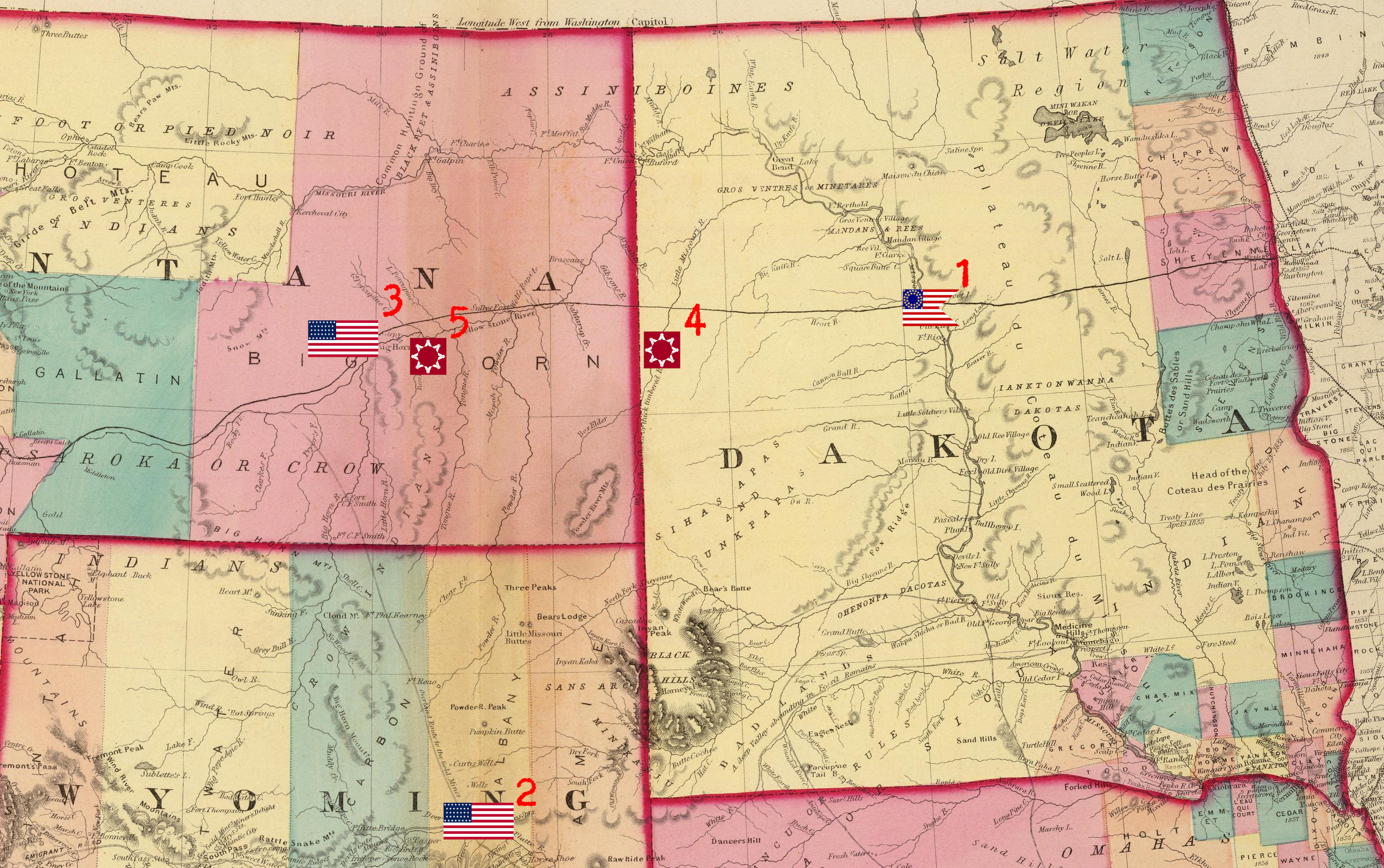
1. Dakota Column - CUSTER/TERRY - Fort Abraham Lincoln
2. Wyoming Column - CROOK - Fort Fetterman
3. Montana Column - GIBBON - Yellowstone River/Rosebud Creek
4. Sioux Encampment - US Intelligence position
5. Sioux Encampment - Actual position
-
Weinell, p.9