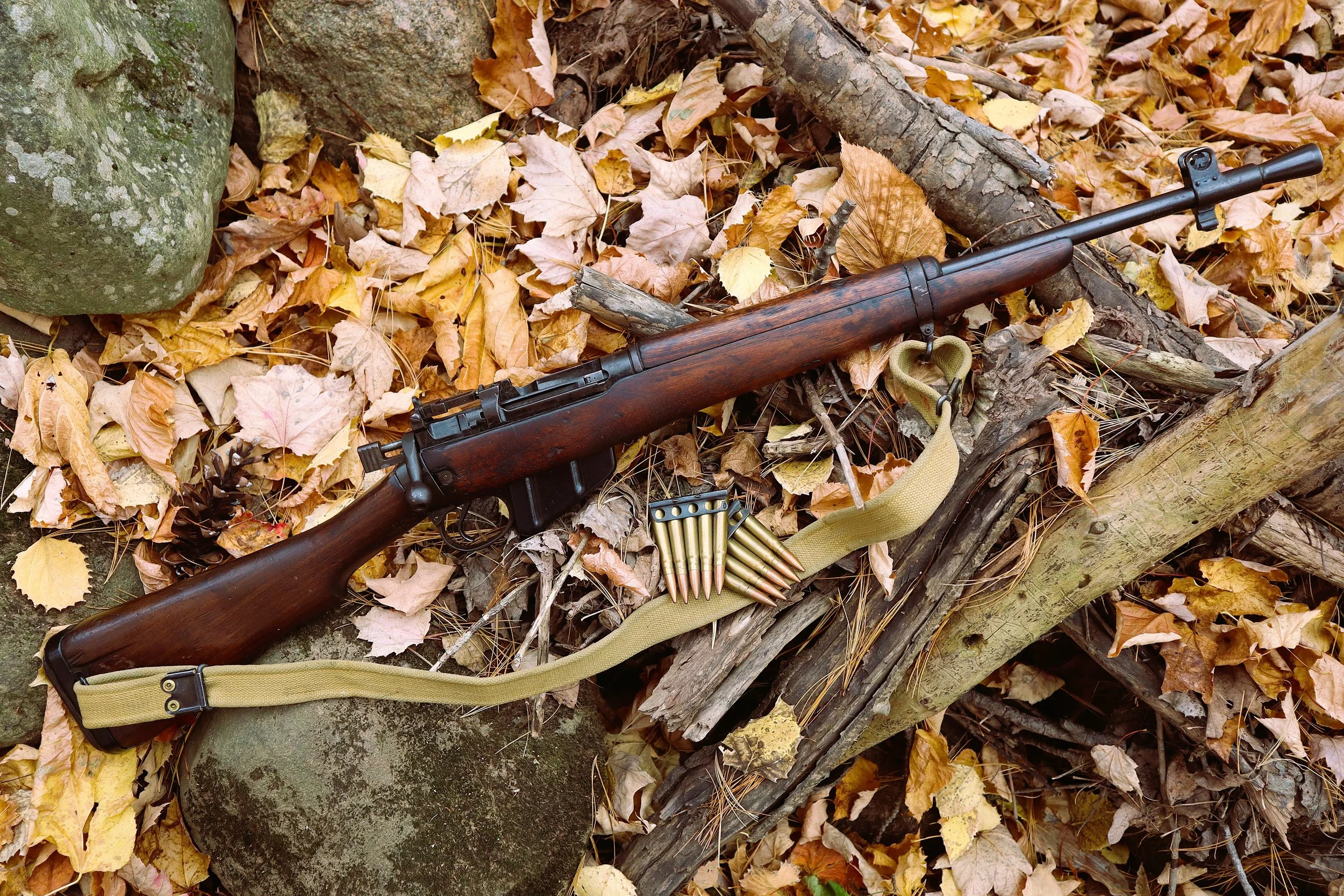
Featured Firearm: October, 2026
Lee Enfield No5 Mk1
Developed for use by British paratroops at the close of the Second World War, the No5 would go on to win fame in Malaya before being retired due to accuracy issues and the adoption of self loading rifles.
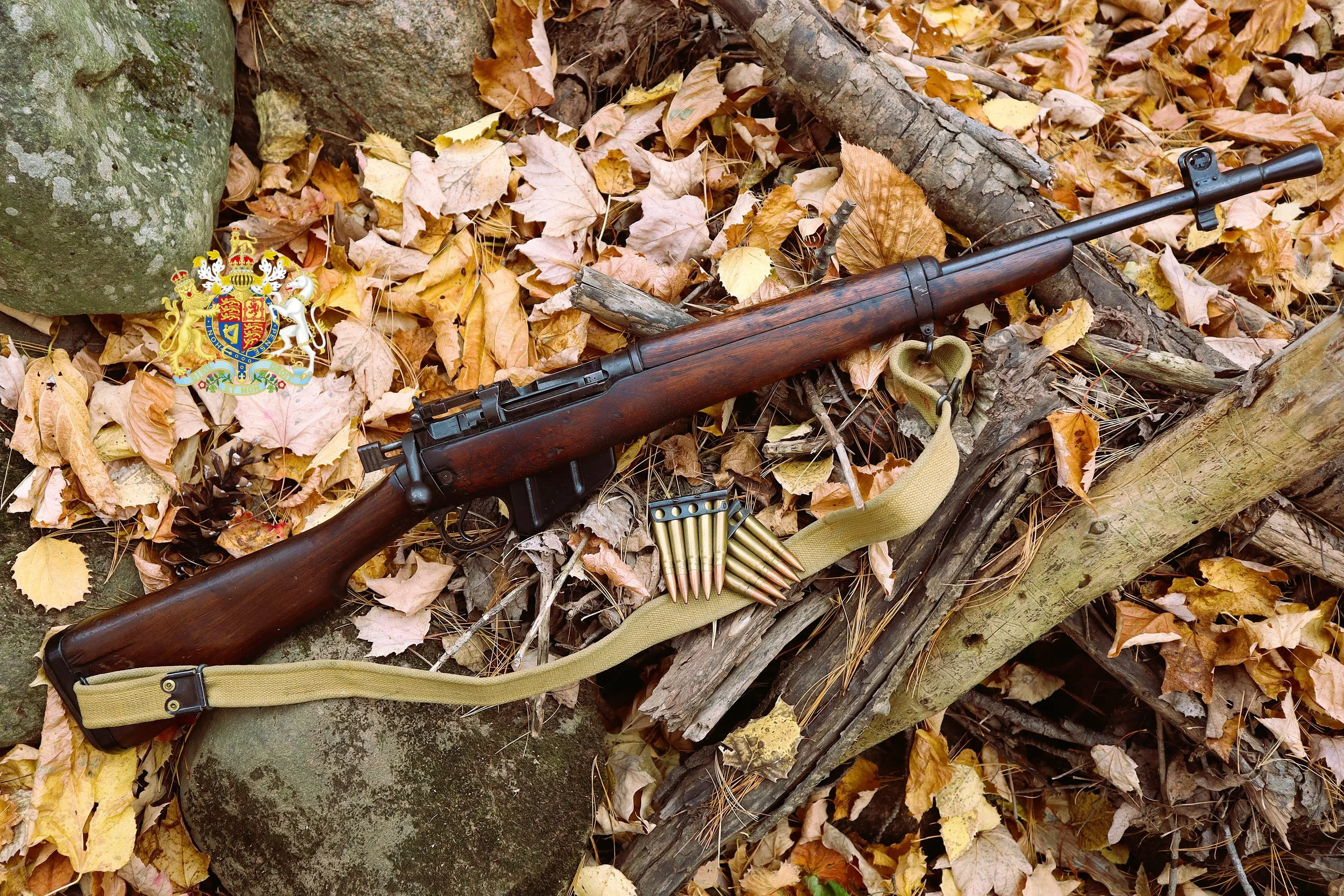
Developed for use by British paratroops at the close of the Second World War, the No5 would go on to win fame in Malaya before being retired due to accuracy issues and the adoption of self loading rifles.
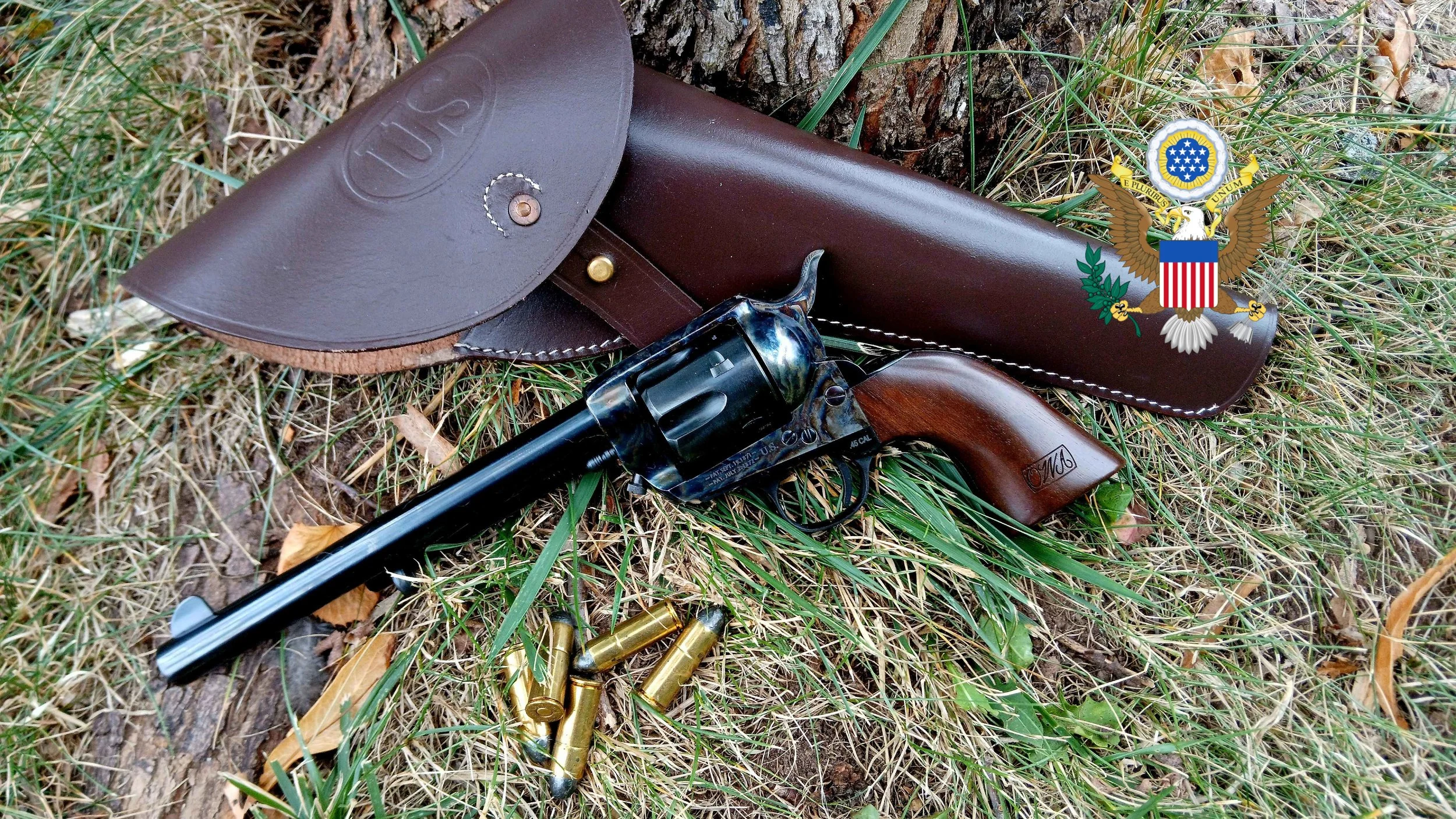
The first American standardized cartridge handgun would leave an enduring legacy as the iconic firearm of the “Wild West” era, extending well beyond its military service life.
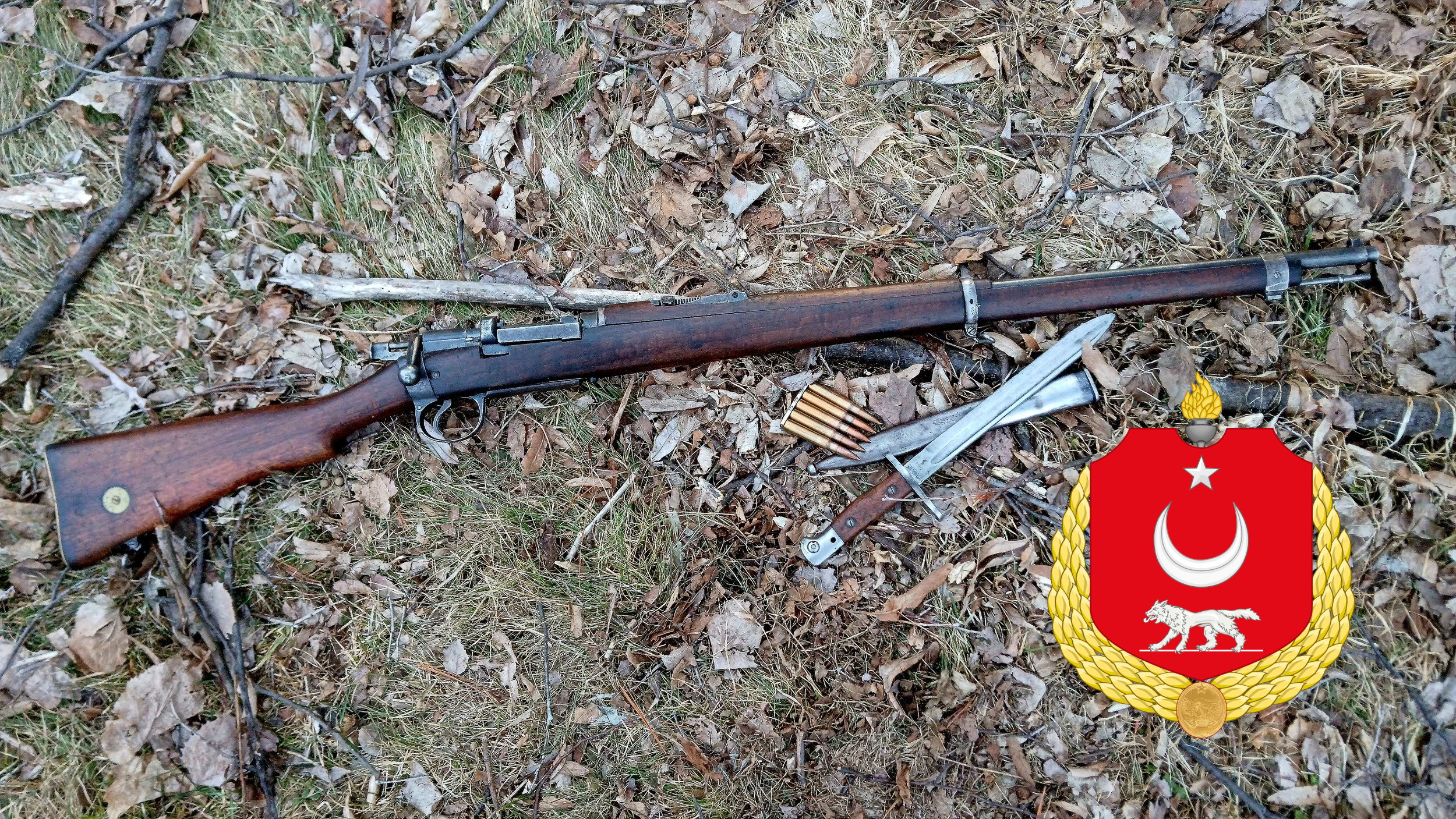
During and after the Great War, the Turks were pressed by a shortage of modern rifles, and in some cases they would turn to unorthodox solutions using captured weapons.
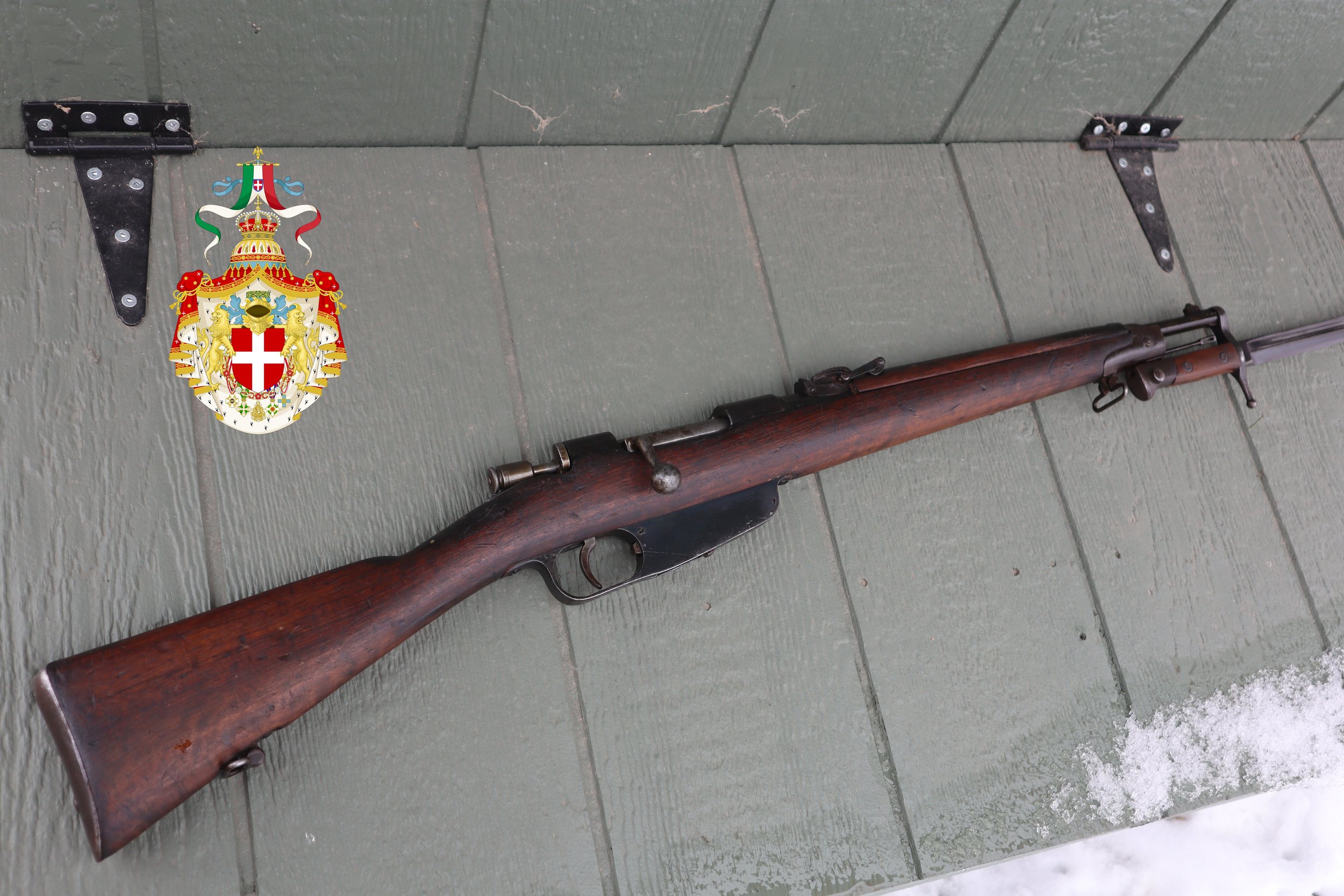
A variant of the Carcano carbine intended for issue to specialists such as engineers and artillerymen, the Truppe Speciale model would become quite popular in the frozen trenches of the Great War’s Italian Front.
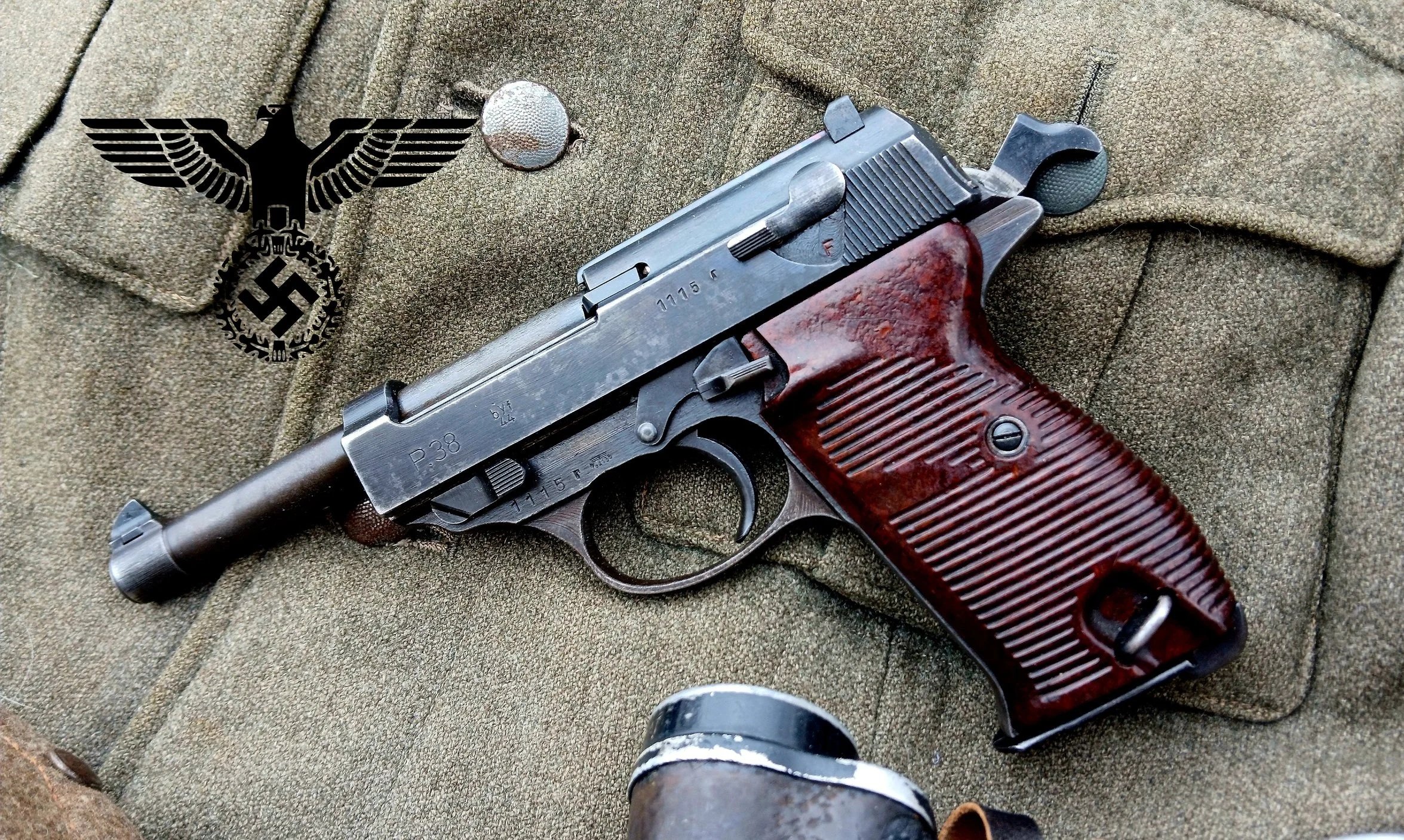
Possibly the best overall handgun in service during the Second World War, Walther’s P.38 was an advanced design, although it was never able to eclipse the older Luger P.08 in the popular imagination.

Demonstrating a general lack of interest in such a weapon until the very eve of the Second World War, Japan’s only domestic submachine gun would service in relatively miniscule numbers compared to its contemporaries amongst the other major nations of the conflict.

With the turmoil of revolution behind the newly formed USSR, Stalin’s regime turned to modernization of the nation’s armed forces concurrently to the industrialization of the country.

Following a wholesale modernization program in the later interwar period, the French adopted a new handgun just in time for the Second World War.

When the United States finally entered the Great War in 1917 it found itself facing a significant shortage of modern rifles, and turned to a foreign design already in mass production domestically.

The end of a decades-long partnership between German arms manufacturers and China was a small lot of Kar98k Mauser rifles sent to Chiang Kai-Shek’s armies in the late 1930s.

In the lead-up to the Second World War attempts by British government arsenals to make a cheaper alternative to the commercial Webley revolver that would meet with limited success.

Germany’s first smokeless powder design was not without its problems, but still found itself a prolific presence on the battlefields of the Great War.

The standard sniper’s rifle of the Imperial Japanese military in the Second World War was a relatively unimpressive creation, being little more than a standard Type 38 rifle fitted with a scope.

A product of Sino-Soviet cooperation, the Soviet TT33 pistol was one of many designs to see widespread production and use by the People’s Republic of China and other communist states and movements around the world.

Despite attempts to replace the 6.5mm cartridge that had been deemed obsolete after the Great War, the improved short rifle pattern of the Carcano rifle would service as the official standard issue of the Regio Esercito in the Second World War.

In the aftermath of the bloody Civil War the newly reunified United States found itself needing to adopt a modern breechloading cartridge arm, and began to explore a solution using the surplus of rifled muskets left over from the conflict.

The Mauser C96 had been one of the first successful autoloading handguns introduced, and had served around the world before, during and after the Great War. In the interwar period Spanish copies proliferated, including a popular select fire model, prompting a German response.

A major step in the evolution of Paul Mauser’s iconic series of military rifles, the M1893 would be the final arm of Imperial Spain as well the inspiration behind an American icon.

Despite initially looking to replace the entire system after the Boer War, the British Short, Magazine, Lee Enfield really came into its own during the Great War, cementing itself as one of the most iconic weapons of the conflict.

The standard issue sidearm of the Austrian half of the Hapsburg Empire’s forces in the Great War was a solid if eclectic handgun that would prove cable in locals such as the Balkans, Eastern Front and Italian Alps.

Faced with a rapidly expanding military and a need to conserve primary small arms for the front lines, the US would turn to a simple but effective bolt action trainer in .22 Long Rifle.

Problems with Japan’s first smokeless powder rifle prompted a redesign of the mechanism, leading to one of the strongest and simplest rifles ever produced, which would serve the Empire for almost half a century.

The first smokeless powder handgun adopted by France was an interesting revolver designed with cavalry in mind, but would serve on long after the demise of the horse soldier.

The Gewehr 98 had served the Imperial Army well in the Great War, but was showing its age by the 1930s. This would lead to a program of modernization, and its product would become the standard service weapon of the Wehrmacht in the Second World War.

When the original Three-Line Rifle M1891 Mosin Nagant was adopted, a slightly shorter model followed soon after to fill a unique role in the army of Tsar Nicholas II

When the Kingdom of Italy marched to war in 1915 they carried the black powder Bodeo revolver in their holsters. Over the course of the conflict development of a reliable autoloader would prove problematic until later in the war.

The British Sten Gun was an extremely simple stamped steel submachinegun developed as an inexpensive replacement for the existing Lanchesters in service in the early phases of the Second World War. The Mark II variant would go on to be the most produced and iconic variant of the weapon, and a replica example is shown here.

Despite victory in the Spanish-American War of 1898, it was clear that the Krag rifles in American service were inferior to the Mausers used by their enemies. This prompt would lead to the development of a new universal short rifle that would serve in two world wars and beyond.

In the aftermath of the Second World War Germany found itself divided. As it raised its own army to fight alongside NATO, the new West Germany looked to update the old wartime sidearm of the Wehrmacht.

A Swiss black powder bolt action repeater that represented the start of a new era, as the metallic cartridge, rotating bolt action and tube magazine came together.
Day by Day History
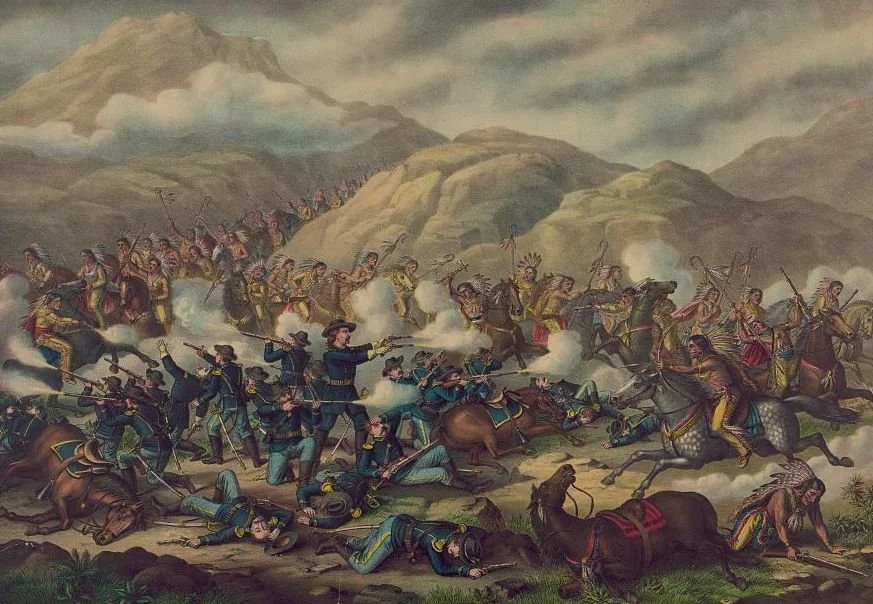
The Battle of the Little Bighorn
Great Sioux War - 1876
Follow the ill-fated campaign of General George Custer as he makes his march to annihilation on the banks of the Little Bighorn River in Montana
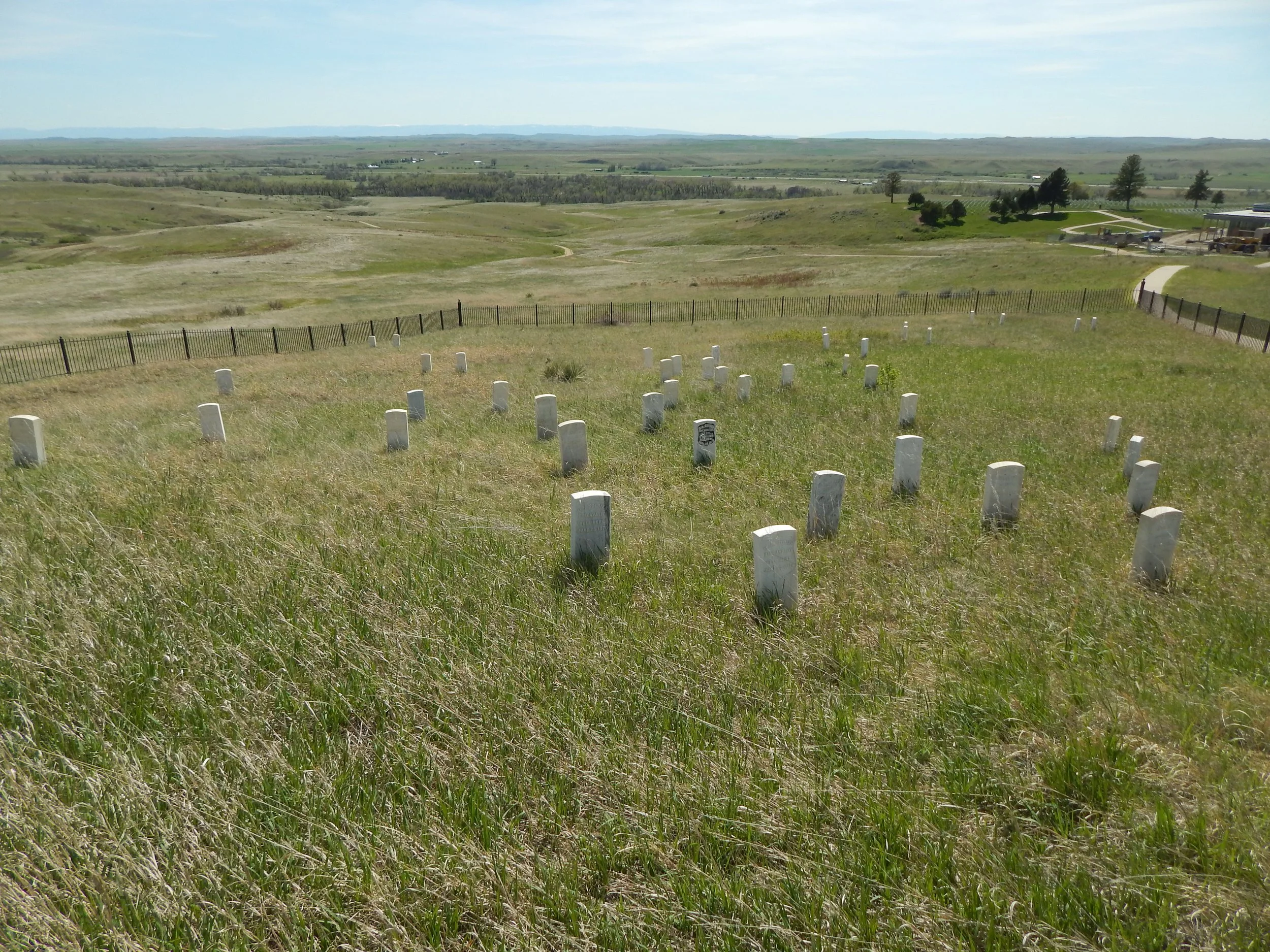
Terry arrives at the grisly scene along the Little Bighorn and makes contact with Reno and Benteen. The full scope of the defeat on the Little Bighorn becomes apparent, as the task of burying the dead and assigning blame begins.
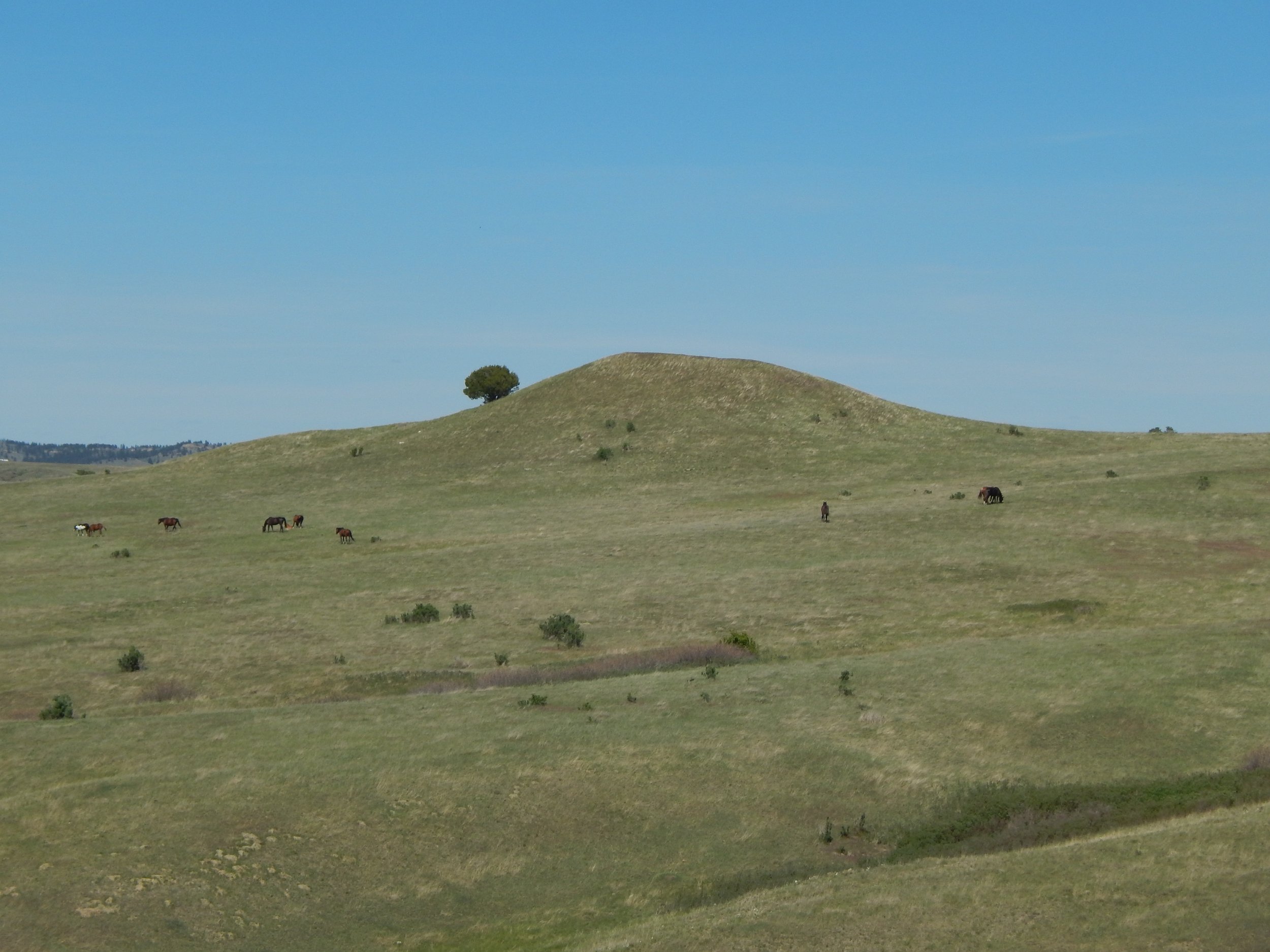
Reno’s command remains besieged through the day as Sitting Bull breaks camp and begins to move south rather than be caught be Terry and Gibbon advancing from the north. News begins to trickly to Terry’s command about the fate of Custer, but is not generally believed as of yet.
The 7th Cavalry attacks Sitting Bull’s camp along the Little Bighorn River. Be the end of the day more than half of the Regiment has been annihilated, and George Custer lies dead on a hillside. The remnants of the command are under siege on a ridge to the south, desperately awaiting the arrival of General Terry and the Wyoming Column.

The 7th Cavalry breaks off from the Rosebud and heads west into the Wolf Mountains, the scouts sent ahead to reconnoiter the valley of the Little Bighorn just beyond, while the Montana Column begins moving south along the Bighorn River.

The 7th Cavalry find the campsites noted by Reno on his scout as they continue southward along the Rosebud. Meanwhile, the Montana Column reaches Fort Pease near the mouth of the Bighorn.

Biographic
Paul Reynaud
The last Prime Minister of the French Third Republic was thrust into office just in time for the crucible of 1940, whereupon he presided over the fall of his nation to German invasion. A lifelong politician, he would go on to serve an important role in the post-war French government as well.
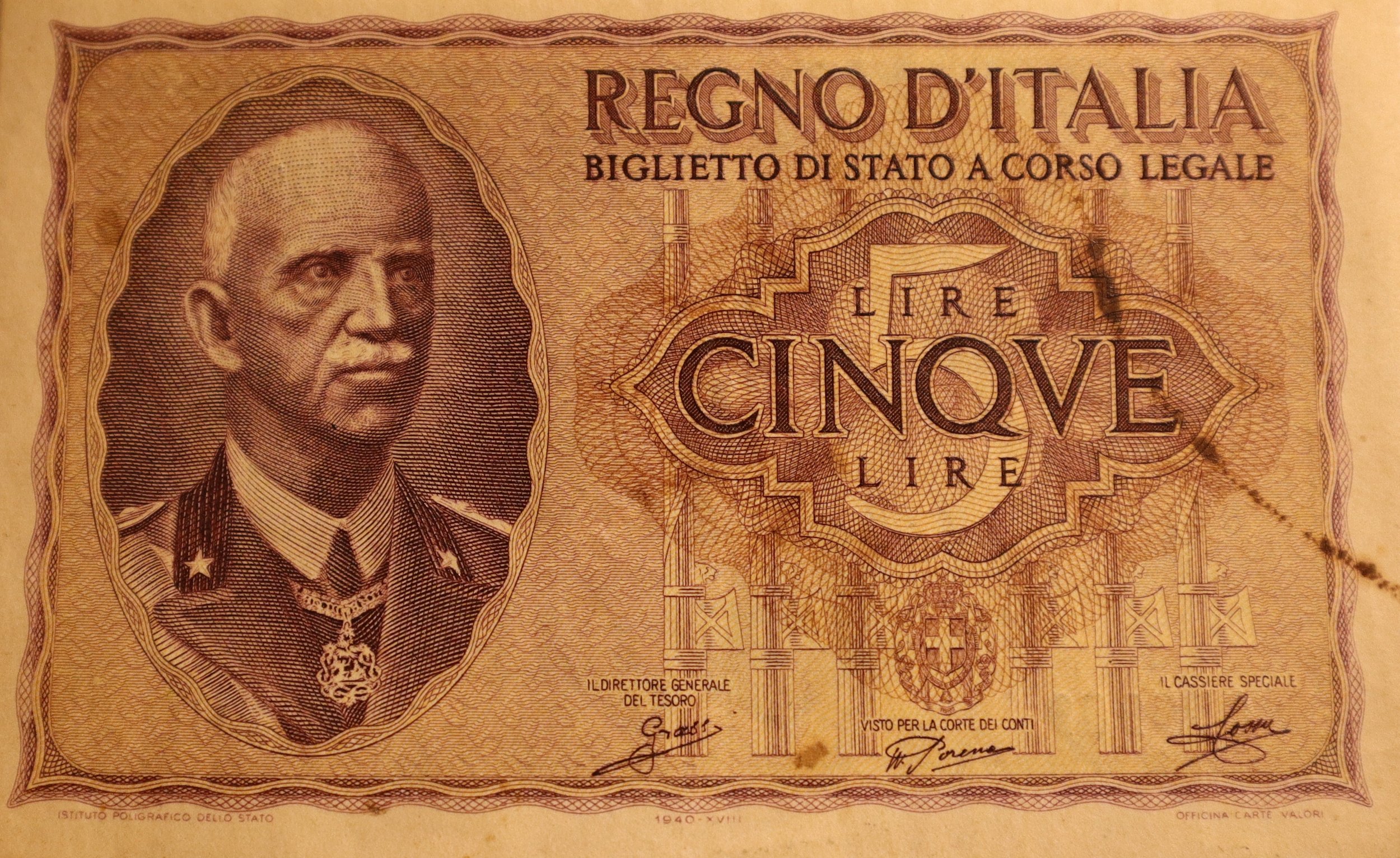
From the Collection
1940 Italian 5 Lire Banknote
From the Collection: A banknote from the Fascist Era of Italy

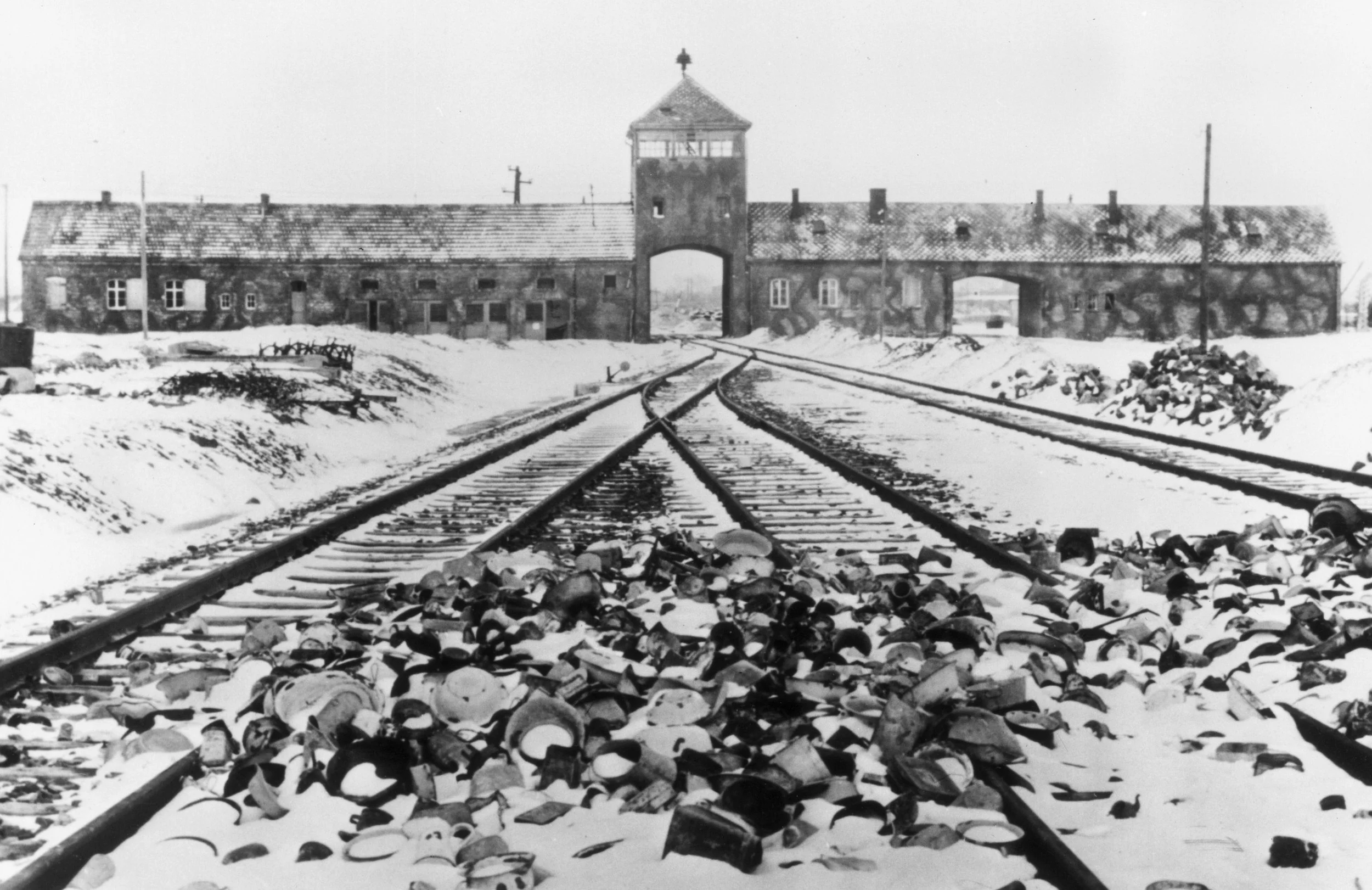
World War Two Briefing - Part Three, Chapter 48 - The War - Specials
The Holocaust
1938-1945
Over the course of the Second World War as well as the years proceeding it, the National Socialist regime in Germany carried out one of the most infamous crimes in history as they enacted their “Final Solution”; the industrial scale murder of millions of Jews and others deemed “subhuman”.
Hear Myself Talk History Museum
Museum Pages currently are under construction