The Leaders
President Ulysses S. Grant
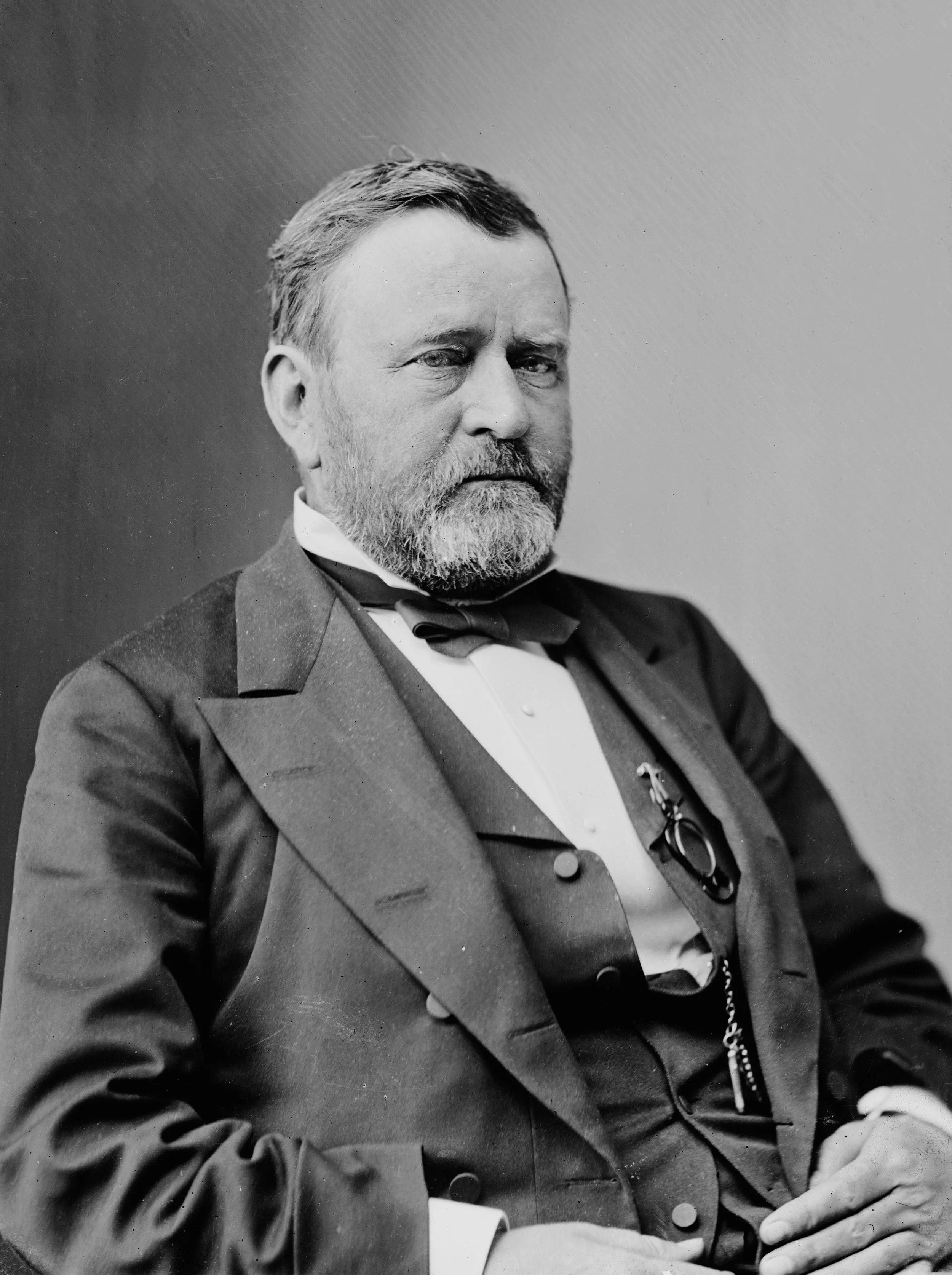
The 18th President of the United States had won his fame as a General during the American Civil War, first in the Western Theater before being placed in command in the East for the final campaigns that smashed the Confederacy. Elected in 1868, he had been reelected in 1872, although his administration was mired by corruption scandals that stemmed from his cabinet, the President himself being honest but overly loyal to subordinates, shielding them from investigations. One particular scandal ongoing in 1876 involved Secretary of War Belknap and the President’s brother Orville accepting kickbacks from corrupt Indian agents, and resulted in George Custer being subpoenaed by Congress. His damaging testimony won him the enmity of Grant and nearly lost him his command, the President refusing even to see him at the White House before Custer left for the plains.¹
Indian Policy under the Grant Administration had been set up with high hopes for fair and equitable treatment, but corruption was rife in the system, and as time went on relations soured heavily. Conflict began to flare across the frontier with various tribes, and after the discovery of gold in the Black Hills Grant authorized the relocation of the Sioux from the region sparking conflict.
General William T. Sherman
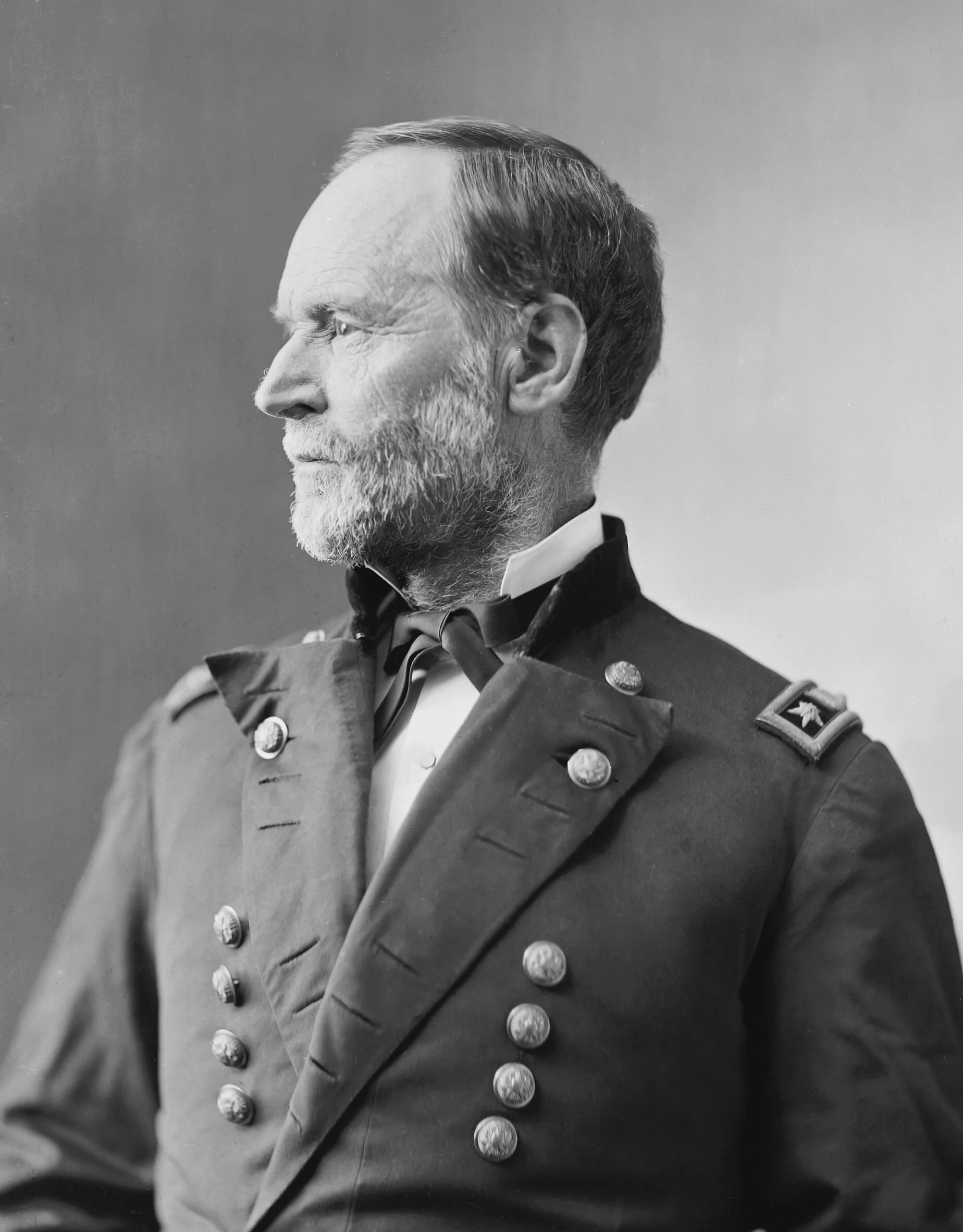
Another major figure of the Civil War, General Sherman had won fame (or infamy) for his March to the Sea, the campaign that many considered to have broken the back of the Confederacy in the last months of the conflict. Having previously served under Grant in the Western Theater of the war, but the mid 1870s he held the post of Commanding General of the US Army, where he had attempted to keep out of the drama of the Grant administration despite clashes with Belknap as well as his own desire for a much harsher indian policy.
Personally disgusted with the corruption rampant within the Army as well as no friend of Secretary Belknap, Sherman had relocated his headquarters to St. Louis and only communicated with Belknap via telegram.²
Lt. General Phillip Sheridan
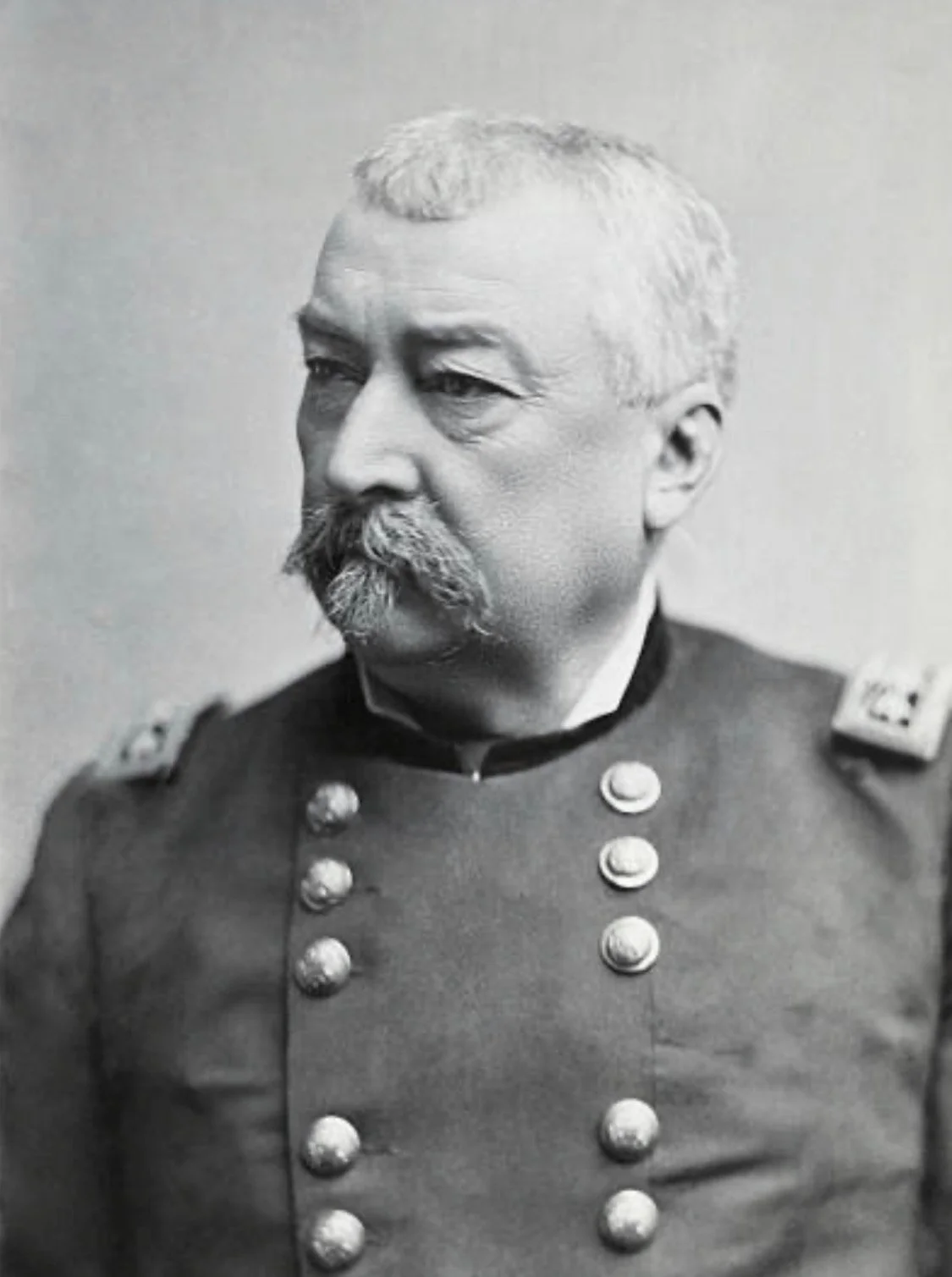
A former Civil War cavalry commander, Sheridan had returned from observing the Franco-Prussian War in 1870 to resume command of the Department of the Missouri, a position he assumed from Sherman. Much like his friend and superior, Sheridan was an advocate for a violent policy against the indians in his department, hoping to subdue them by force³. Despite the administration’s desire for peaceful assimilation, Sheridan had issued orders in 1869 to the effect that any indians found outside of their designated reservations would be considered hostile, and thus be subject to attack by Federal troops. Despite this, he was aware that attempts to intimidate the tribes with mere threats would likely not suffice, and would be vied as little more than a joke⁴.
Much like Sherman, he had been involved in the final, bloody actions that had crushed the Southern Confederacy, and was firmly of the belief that the only way to avoid a protracted conflict was to come down with the maximum possible force as soon as possible⁵, and he intended to do just that in 1876.
Brigadier General Alfred Terry
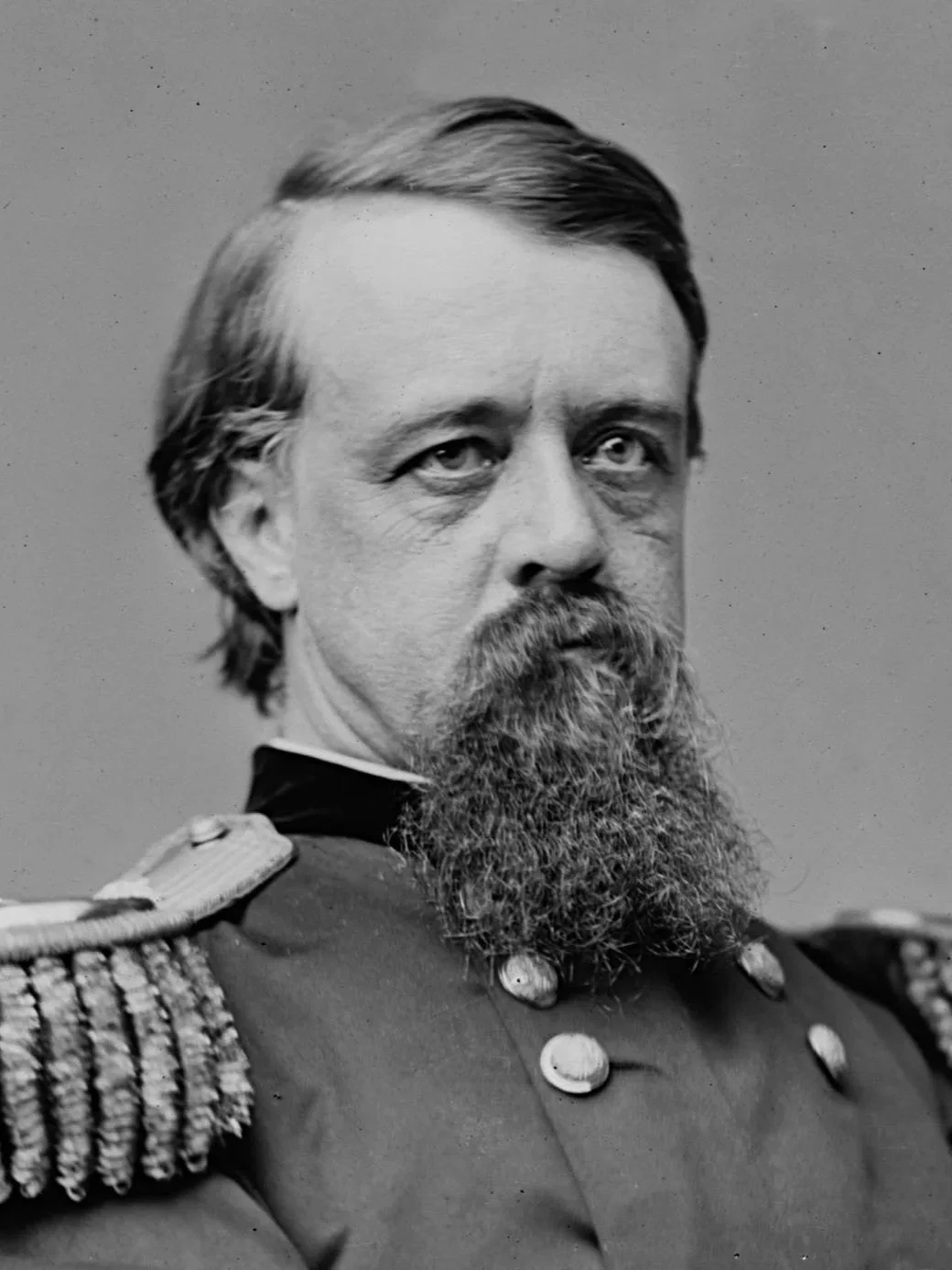
Commanding the Department of the Dakota was Brigadier Alfred H. Terry, a former lawyer who had raised his own volunteer regiment to fight in the Civil War, where he had won fame for the capture of the formidible Confederate Fort Fisher in 1865⁶. One of the relative few officers to be retained during the post-war demobilization, and had his headquarters in St. Paul, Minnesota. An advocate of gentler treatment of the indians on the plains, he was not an enthusiastic advocate of the coming 1876 campaign, although he had thought that if a hard drive was made before the end of winter victory could be achieved with minimal bloodshed.
With little direct experience fighting indians, he was happy to have Custer, considered one of the nation’s foremost experts, counted amongst his command. He would thus be a strong advocate in favor of Custer being allowed to lead the Dakota Column set to march west from Fort Abraham Lincoln, and when they set out he would thus remain in the rear while Custer took operational command.
Brigadier General George Crook
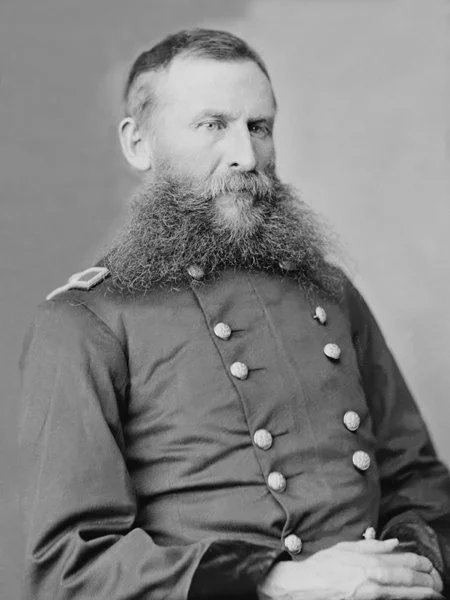
The Department of the Platte, based in Wyoming, was under the leadership of General George Crook, an experienced indian fighter even before the Civil War who had followed his own war service with operations against the Apache in the Arizona Territory. Known to the natives “Grey Fox”⁷, he had pioneered the use of Indian Scouts to support army operations, and he was quite used to operating alone. The plan for a three pronged pincer against the Sioux in Montana was one in which he held little confidence, but he prepared his command at Fort Fetterman in Wyoming for the march regardless, despite his lack of wagons as a result of pioneers flooding toward the Black Hills.
His column was the first to set out, doing do in March, and had engaged a village believed to belong to Crazy Horse, but in reality had belonged to a group of friendly Cheyenne under the leadership of Two Moons. The attack was badly botched by its commanding officer, Colonel Joseph Reynolds, with many dead and wounded soldiers abandoned to their fate in the blazing village, and the Cheyenne firmly lodged into the hostile camp and making for Sitting Bull’s camp to cement an alliance against the government. Crook, meanwhile, retreated to Fort Fetterman to resupply and await replacements.
Colonel John Gibbon
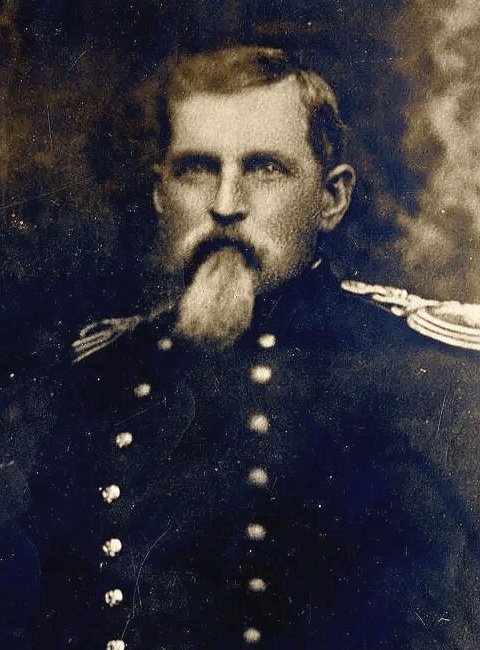
Known to the natives as “No Hip Bone”⁸, Gibbon had served as an artilleryman in the Civil War, where he had commanded the famous Iron Brigade of the Wisconsin Volunteers. Now stationed in Montana, he commanded infantry units on the frontier, occasionally clashing with local tribes but seeing little action. Based at Fort Ellis, he was detailed to command the Montana Column, forming the western arm of Sheridan’s planned pincer attack against the Sioux in the 1876 campaign.
His command was far more dispersed than those in the other columns, and this combined with being the most remote to give his forces great difficulty in mustering for the coming campaign.
Lt. Colonel George Armstrong Custer
Undoubtably the most famous figure of a battle that is often referred to by his name, George Armstrong Custer had been breveted a Major General during the Civil War, where he had commanded the “Wolverines” of the Michigan Cavalry Brigade famously at Gettysburg. Subsequently fighting under Sheridan in the Shenandoah Valley before joining in the chase of the Confederate Army to Appomattox Court House in 1865, where Custer’s command received the first envoy of surrender from Robert E. Lee. He was later present at the final surrender of Lee, following which Sheridan presented the table upon which the document was signed to Custer.
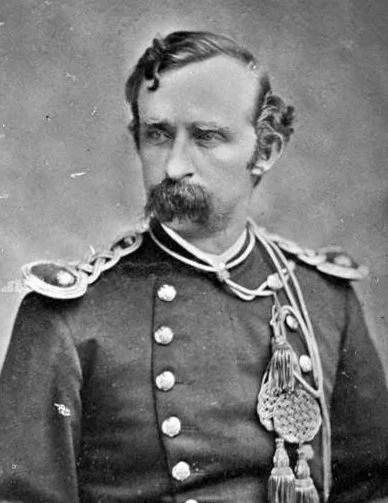
With the end of the war, Custer remained in the Army, restored to his substantive rank of Lt. Colonel, and took command of the newly formed 7th Cavalry Regiment upon its formation in 1866. He would take part in numerous expeditions in the west against hostile tribes, and notably would take the 7th into battle against the Cheyenne in November of 1868 along the Washita River in Oklahoma. This battle against Chief Black Kettle’s band (notably a proponent of peaceful coexistence with the whites) had seen Custer surround the enemy village before personally leading a charge through deep snow. The village, both warriors and noncombatants, was all but wiped out by midmorning, including Black Kettle himself, and Custer moved his command against a large force of Cheyenne coming to counterattack. This brazen feint caused the warriors to retreat before Custer broke off and returned to its supply base⁸. The battle was heralded as a great victory, cementing Custer as a hero of the Indian Wars in the press.
Stationed at Fort Abraham Lincoln near Bismarck, Dakota Territory, since 1873, Custer and the 7th were intended to form the Dakota Column of the campaign against the Sioux in Montana. Custer, for his part, had been called to Washington to testify before Congress on the Belknap affair, despite his attempts to instead answer in writing. This delayed the start of the campaign, and when his testimony angered the President, Custer was releived of command of the expedition in favor of Terry, and he was arrested in Chicago for leaving Washington without the President’s authorization. Eventually, under intense public pressure as well as from Sheridan and Terry to allow Custer to take part, Grant relented, allowing Custer to lead the Dakota Column but under Terry’s supervision.
Major Marcus Reno
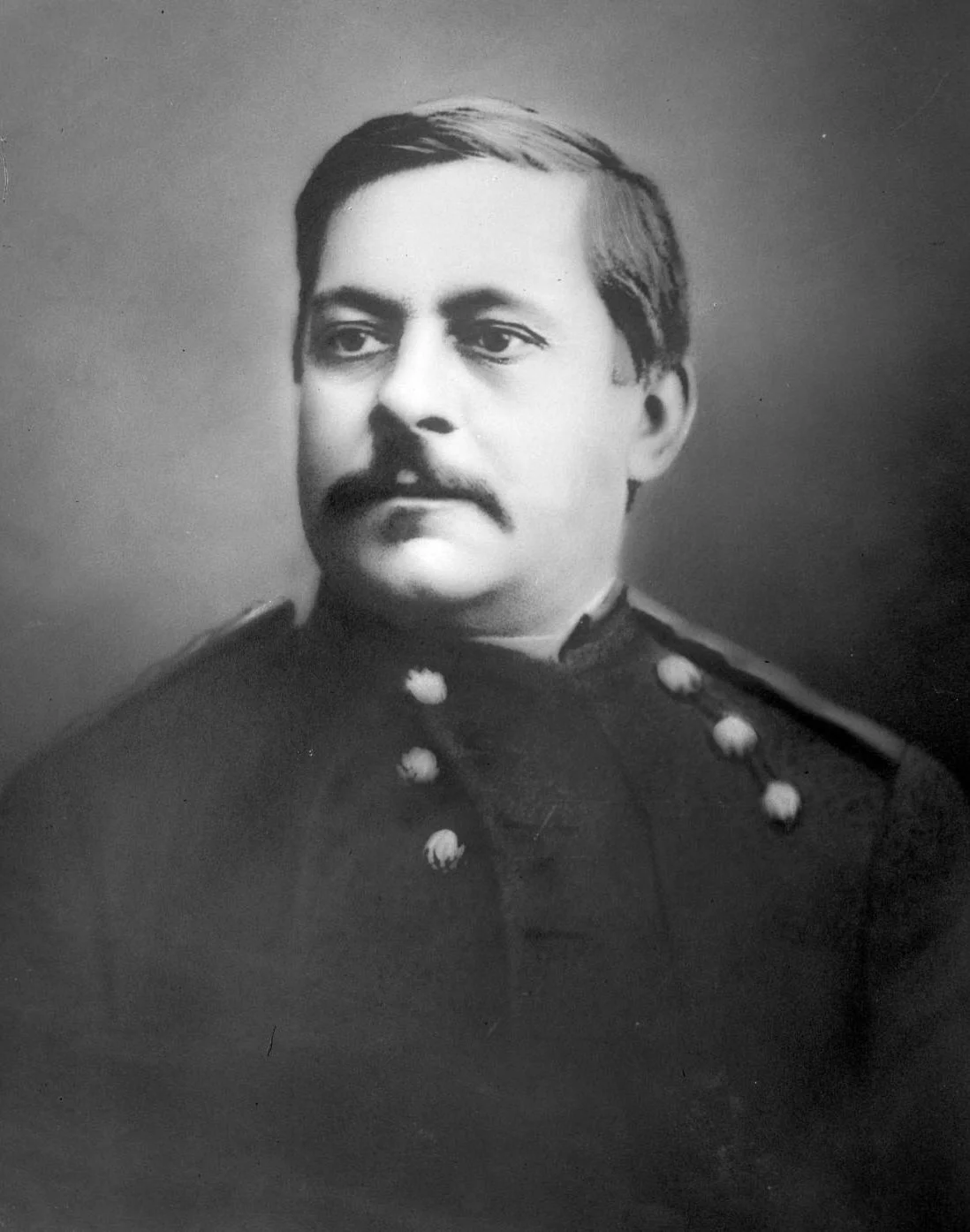
Second in command of the 7th Cavalry was Major Marcus Reno, a man who had performed quite poorly at West Point but had served well in the Civil War, ending it with a brevet colonelcy. A widower, Reno was known for an aloof and antisocial manner that garnered him few friends amongst the officers of the regiment⁹, and he was known to be friendly with the bottle. No fan of his direct superior, Reno had pushed to be given command of the expedition to Montana when Custer was relieved, but had been refused as Custer returned to Fort Abraham Lincoln to take up command.
Sitting Bull - Tȟatȟáŋka Íyotake
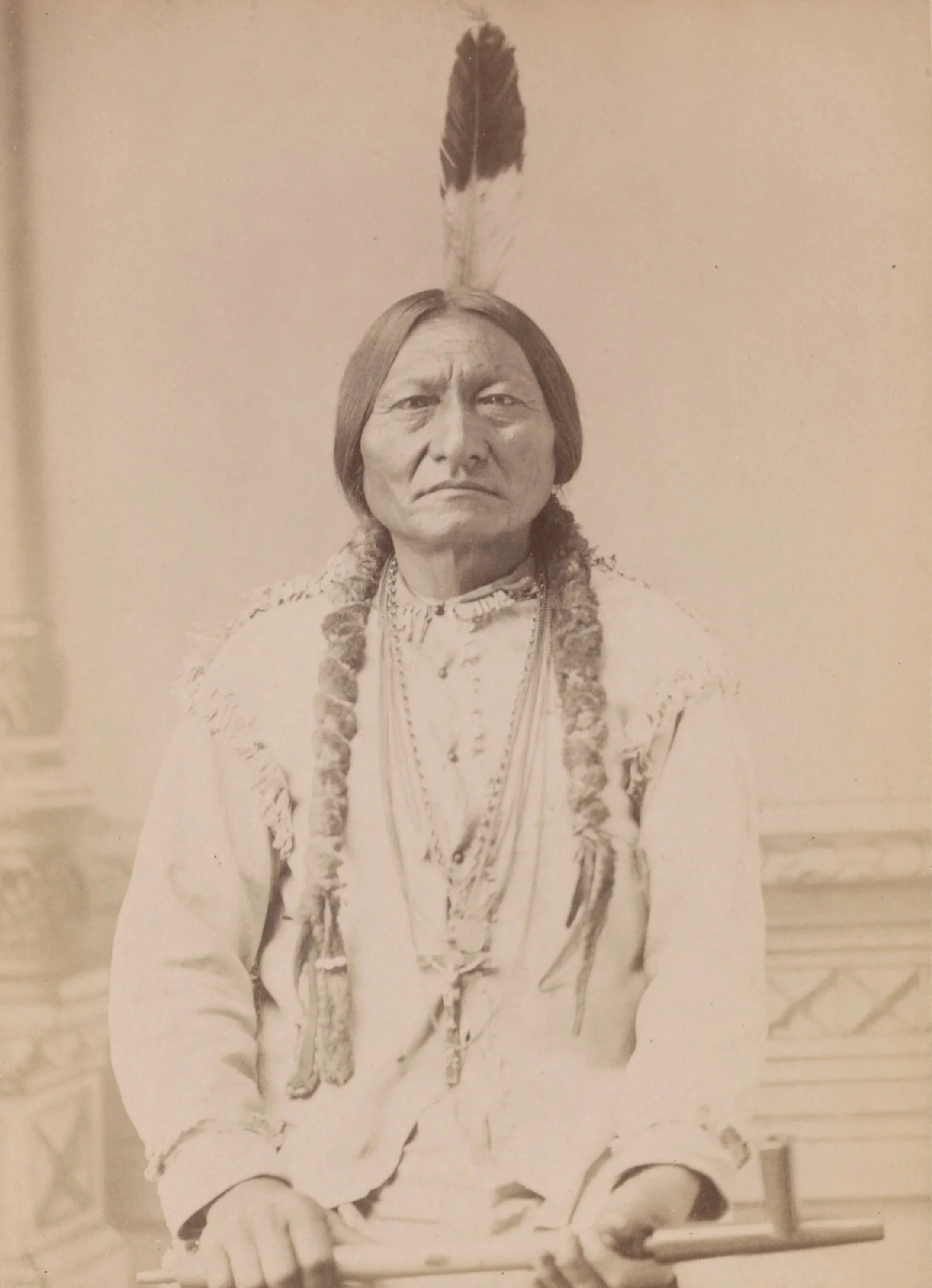
A distinguished leader of the Hunkpapa Lakota, Sitting Bull had originally been known as Slow for his cautious manner as a child, but had grown into a formidable warrior. Now in his mid forties, he was a member of an akicita (a warrior society, which served as some of the best a tribe could offer, as well as trusted in keeping order during times of peace) as well as a respected holy man known for his premonitory visions. Considered one of the greatest leaders in the Sioux Nations, those interested in armed resistance to the government had begun to coalesce around him in the mid 1870s. As relations with the encroaching whites deteriorated in the decade after the American Civil War Sitting Bull was named Supreme War Chief of the Sioux¹⁰, an unprecedented move that placed him as the leader of those who would resist the Federal Government rather than accept life on the reservations.
Crazy Horse - Tȟašúŋke Witkó
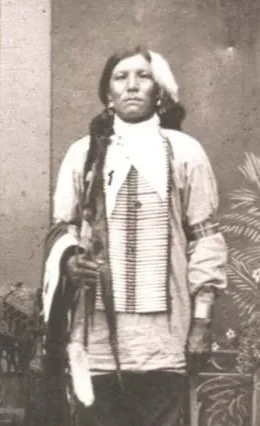
The veracity of this image is disputed
Perhaps the most famous of the Lakota leaders after Sitting Bull, Crazy Horse already had a reputation as a fierce warrior by 1876, having taken part in numerous battles against Federal troops, including the 1866 Fetterman Fight, which was the largest military defeat to date inflicted by the plains tribes. By 1876 a respected war chief of the Oglala, he had supported the naming of Sitting Bull as senior chief of the Sioux, out of a desire to counter the pro-government stance of chiefs such as Red Cloud¹¹.
A Note on Indian Leaders
Unlike the well defined command structure of the United States Army, the various tribes of the plains had a loose structure of leadership, in which Chiefs seldom commanded arbitrary authority and instead warriors followed these experienced leaders out of respect, with the ability to act as individuals in battle. The two highlighted here of a large number of Chiefs that took part in the Battle of the Little Bighorn are merely the most famous of those who took part. Others will be mentioned in the text of the project as they appear.
-
Donovan, A Terrible Glory, p.111
Robinson, A Good Year to Die, p.24
Robinson, p.23
Donovan, p.35
Monaghan, Custer, p.322
Donovan, p.96
Robinson, p.56
Donovan, p.64
Donovan, p.9
Donovan, p.78
Robinson, p.31
Gall - Little Bighorn Battlefield National Monument (U.S. National Park Service)
Donovan, p. 117