The Weapons
Just over a decade after the end of the American Civil War, the US military had somewhat stagnated in terms of arms development, even as the domestic civilian markets had exploded dueing the era that came to be known as the “Wild West”. The primary weapons available to government forces remained converted muskets, with single action revolvers and sabres remaining the weapon of choice for the cavalry. The metallic cartridge now reigned supreme, although some older muzzle loaders could still be found on occasion.
Springfield M1873

USMC Photo
The standard issue rifle to the US infantryman in this period was the Springfield M1873, commonly known as the “Trapdoor” due to its large, hinged breechblock. The weapon looked much like an older musket from a distance, a result of its heritage as a converted muzzle loading rifle, although the M1873 was actually built at the arsenal in this configuration. Firing a powerful .45/70 black powder cartridge, this was well suited to long range shooting on the plains, but its cumbersome length and single round capacity was a serious handicap in closer quarters.
Type: Infantry Rifle
Action: Trapdoor Breechloader
Overall Length: 52 inches
Weight: 8.8 pounds
Cartridge: .47/70 Government
Magazine Capacity: 1 Cartridge
Feed System: Single Shot
Country of Origin: United States
Year: 1873
Springfield M1873 Carbine
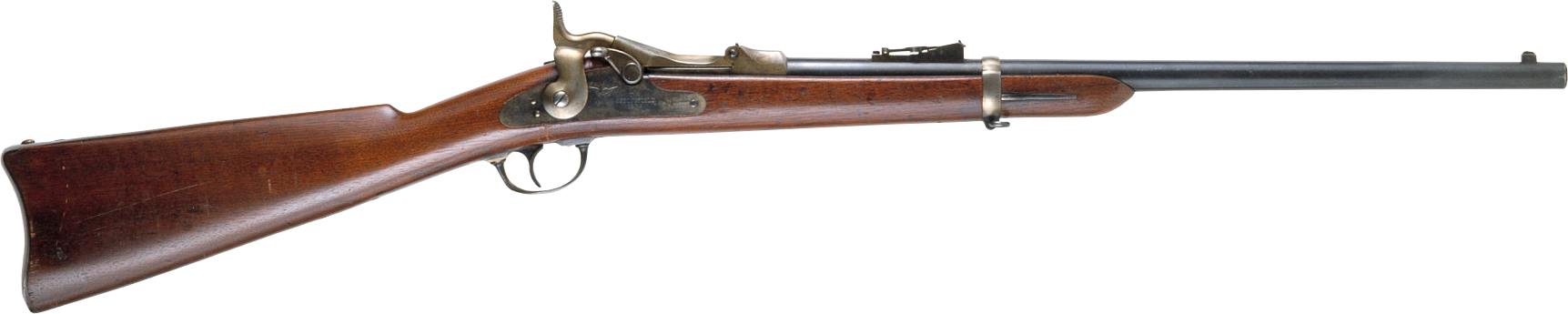
While the infantry carried the full length trapdoor Springfield rifle, a shorter carbine variant was available to cavalrymen. Being the same mechanism but fitted with a shorter barrel and cut down stock, this was more maneuverable on horseback, as well as being issued with less powerful ammunition loaded with 55 grains of black powder as opposed to the 70 grains used in the infantry rifles. While handier than the infantry rifle, these carbines were often at a severe disadvantage when compared to the civilian lever actions used by the Sioux.
Type: Cavalry Carbine
Action: Trapdoor Breechloader
Overall Length: 41 inches
Weight: 7.3 pounds
Cartridge: .45/55 Government
Magazine Capacity: 1 Cartridge
Feed System: Single Shot
Country of Origin: United States
Year: 1873
Springfield M1866

In addition to the newer M1873 trapdoor rifles, some of the older M1866 models, (those actually converted from Civil War muskets) chambered in the larger .50/70 caliber, remained in service with some infantrymen, as well as Indian Scouts serving as auxiliaries to the cavalrymen. While older, some preffered the hitting power of the .50 caliber cartridge, and the rifles were known as well for their accuracy.
Type: Infantry Rifle
Action: Trapdoor Breechloader
Overall Length: 56 inches
Weight: 9.1 pounds
Cartridge: .50/70 Government
Magazine Capacity: 1 Cartridge
Feed System: Single Shot
Country of Origin: United States
Year: 1866
Colt M1873
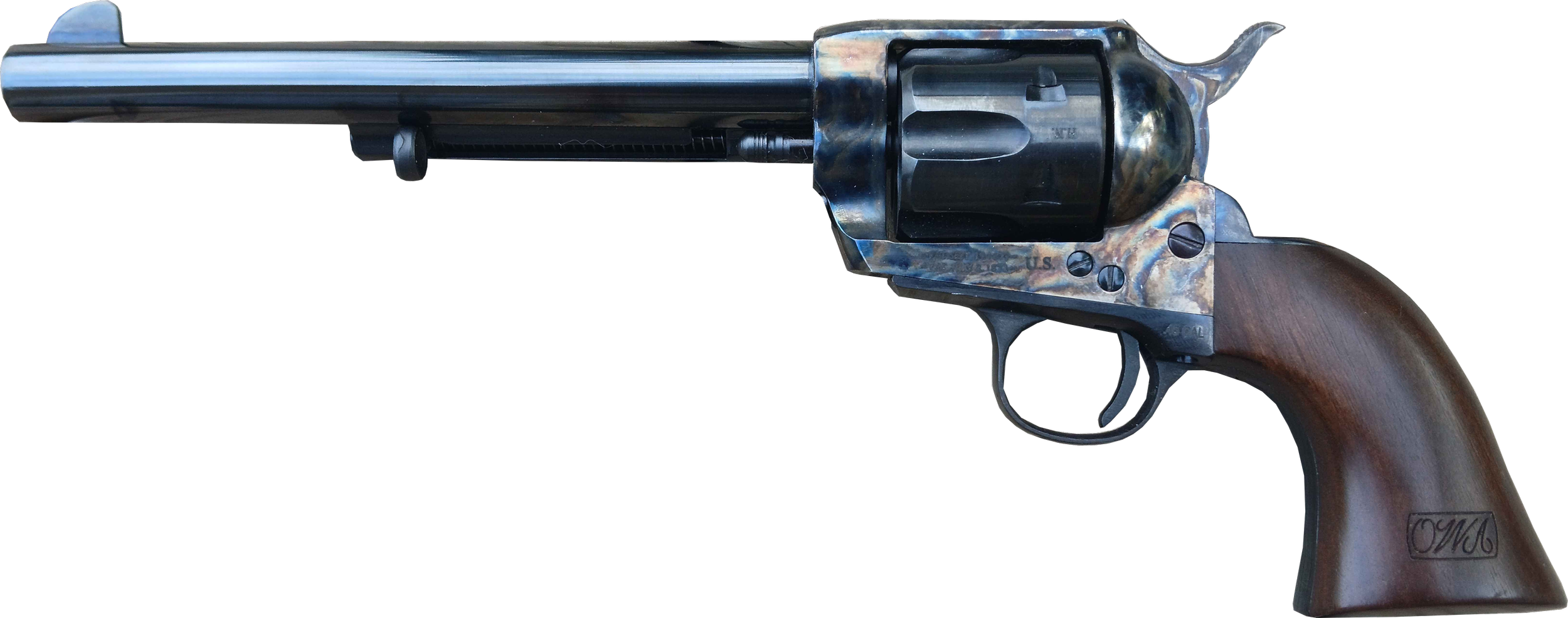
The standard issue sidearm to the US military was in many ways the gold standard of American frontier handguns. This .45 caliber single action black powder revolver was issued with a 7.5 inch barrel, although a huge variety of lengths were available commercially. Well designed and rugged, this was a favorite of government troops, tribes, outlaws and cowboys throughout the “Old West”.
Type: Handgun
Action: Single Action Revolver
Overall Length: 13 inches
Weight: 2.3 pounds
Cartridge: .45 Colt
Magazine Capacity: 6 Cartridges
Feed System: Gate Load
Country of Origin: United States
Year: 1873
Also known as the “Colt .45”, “Peace Maker”, “Single-Action Army”, among others
RIC Bulldog
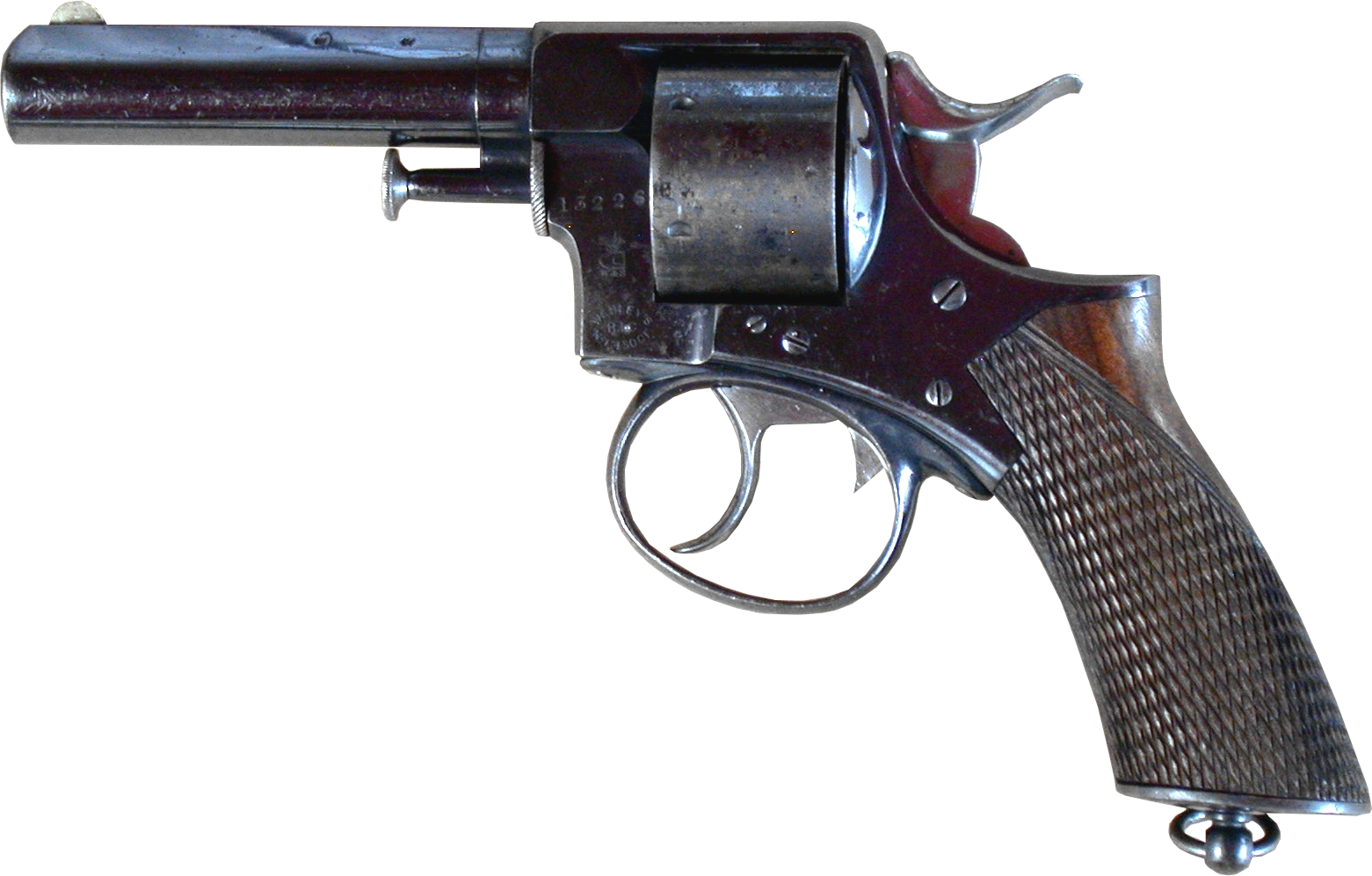
The subject of what was in the holster of General Custer when he and his men were killed at the Little Bighorn has been an enduring mystery, but the most commonly cited weapon is the British Webley Royal Irish Constabulary model. The RIC was a double action revolver chambered in the .442 Webley cartridge, single loading through a gate like the Colt 1873 but using a double action trigger mechanism. Other contenders exist for Custer’s sidearm, including a standard Colt or a Smith & Wesson, among others.
Type: Handgun
Action: Double Action Revolver
Overall Length: 9.25 inches
Weight: 1.9 pounds
Cartridge: .442 Webley
Magazine Capacity: 6 Cartridges
Feed System: Gate Load
Country of Origin: British Empire
Year: 1867
Henry Model 1860

An iconic weapon of the American Civil War, the Henry Repeating Rifle was one of the first successful lever action rifles, seeing service in the conflict with some government procurement as well as private purchases by soldiers. The rifle that “you load on Sunday and shoot all week” had subsequently moved west, and several were in the hands of the natives of Montana, providing a notable firepower advantage over the trapdoors of the Army.
Type: Repeating Carbine
Action: Lever Action
Overall Length: 44.75 inches
Weight: 9.25 pounds
Cartridge: .44 Henry Rimfire
Magazine Capacity: 15 Cartridges
Feed System: Tube Load
Country of Origin: United States
Year: 1860
Winchester Model 1866
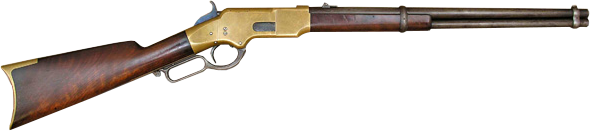
An improvement on the Henry inroduced immediately after the end of the Civil War, the Model 1866 was the first rifle to bear the iconic Winchester name. With a new wooden forestock and a side loading gate, the Model 1866 was in common commercial use by natives and settlers of the West.
Type: Repeating Carbine
Action: Lever Action
Overall Length: 49.25 inches
Weight: 9.5 pounds
Cartridge: .44 Henry Rimfire
Magazine Capacity: 15 Cartridges
Feed System: Tube Load
Country of Origin: United States
Year: 1866
Winchester Model 1873
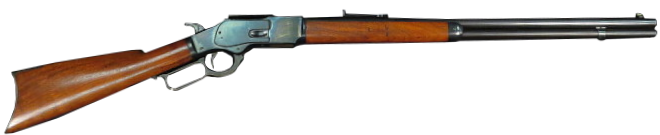
A newer model of the Winchester repeater, this model chambered an improved .44/40 cartridge and was a general improvement over the Model 1866, and would later go on to fame as one of the most iconic firearms of the Western Era. Relatively new and expensive, it was a rare sight on the plains in 1876.
Type: Repeating Carbine
Action: Lever Action
Overall Length: 39 inches
Weight: 7.25 pounds
Cartridge: .44/40
Magazine Capacity: 10 Cartridges
Feed System: Tube Load
Country of Origin: United States
Year: 1873
Spencer Carbine
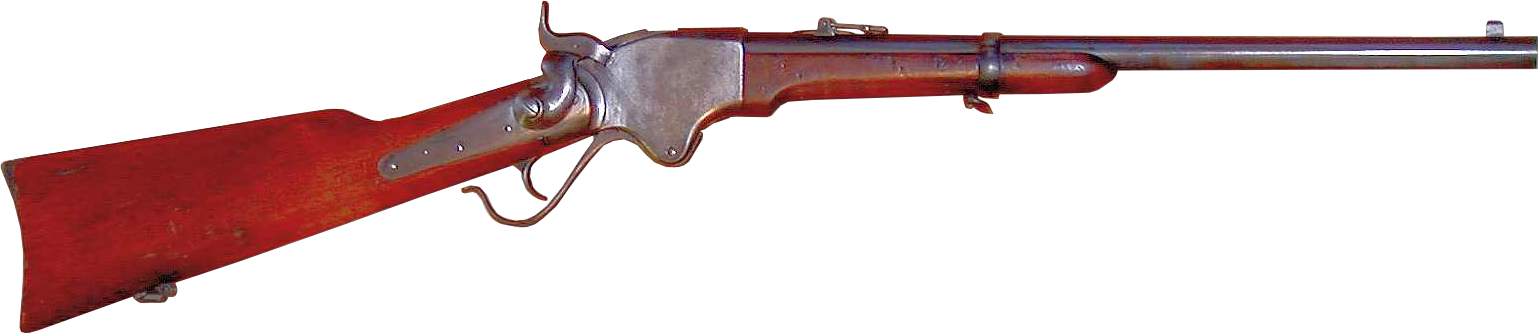
The first successful military lever action repeater, the Spencer had seen service in the Civil War and beyond, using used mainly by cavalry (including General Custer’s men at the Battle of Gettysburg). The Government, ever concerned about costs, had feared that such weapons would encourage waste of ammunition, and as a result the Spencer, like the more advanced Henrys and Winchesters, would not see large scale adoption by the Federal government. Older models remained in civilian use post war, including in the hands of indian warriors on the plains.
Sharps Rifle
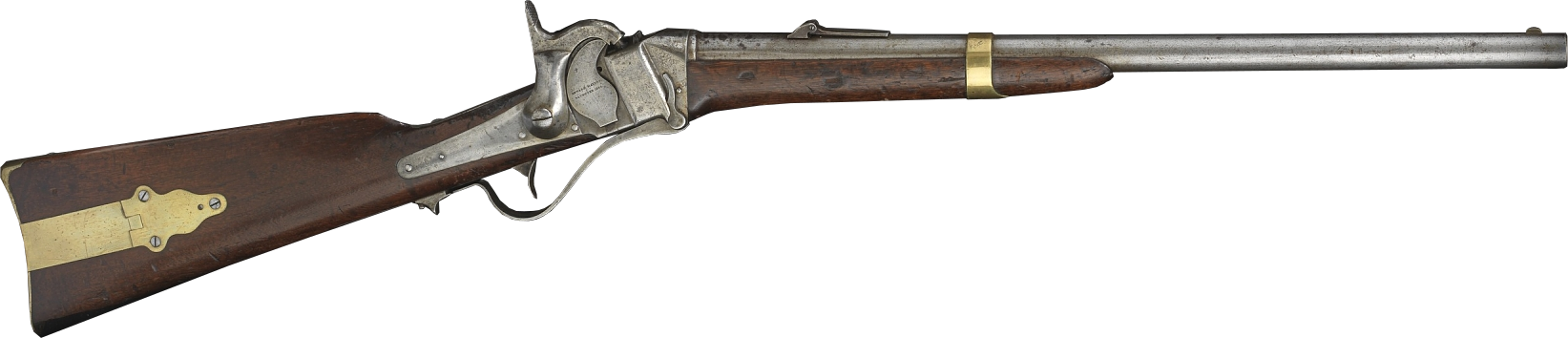
The Sharps breechloading rifle was popular as a marksman’s rifle in the Civil War due to its high accuracy and quick loading. The carbine variants were the most popular longarm for cavalry during the war, and by the 1870s the old rifles were generally converted to fire metallic cartridges rather than the original paper type, commonly the .50-70 Government, among others. Carbines of this type had been standard among US Cavalry until the adoption of the Springfield Trapdoor.
Type: Carbine
Action: Falling Block
Overall Length: 39 inches
Weight: 8.4 pounds
Cartridge: .50/70 Government*
Magazine Capacity: 1 Cartridge
Feed System: Single Shot
Country of Origin: United States
Year: 1850
Muskets

Type: Musket
Action: Percussion Lock
Overall Length: Various
Weight: Various
Caliber: Various, often .58
Feed System: Muzzle Loader
Country of Origin: United States/Britain/Various
Year: Various
Although well obsolete by 1876, muzzle loading firearms were still common on the plains due to their low cost and ease of maintenance. This ranged from surplus Civil War weapons (such as the Springfield pictured) to simple flintlock “Trade Guns” manufactured for trade with indians. Many could be found with shortened barrels, stocks or even tribal ornamentation.
Ball and Cap Revolvers
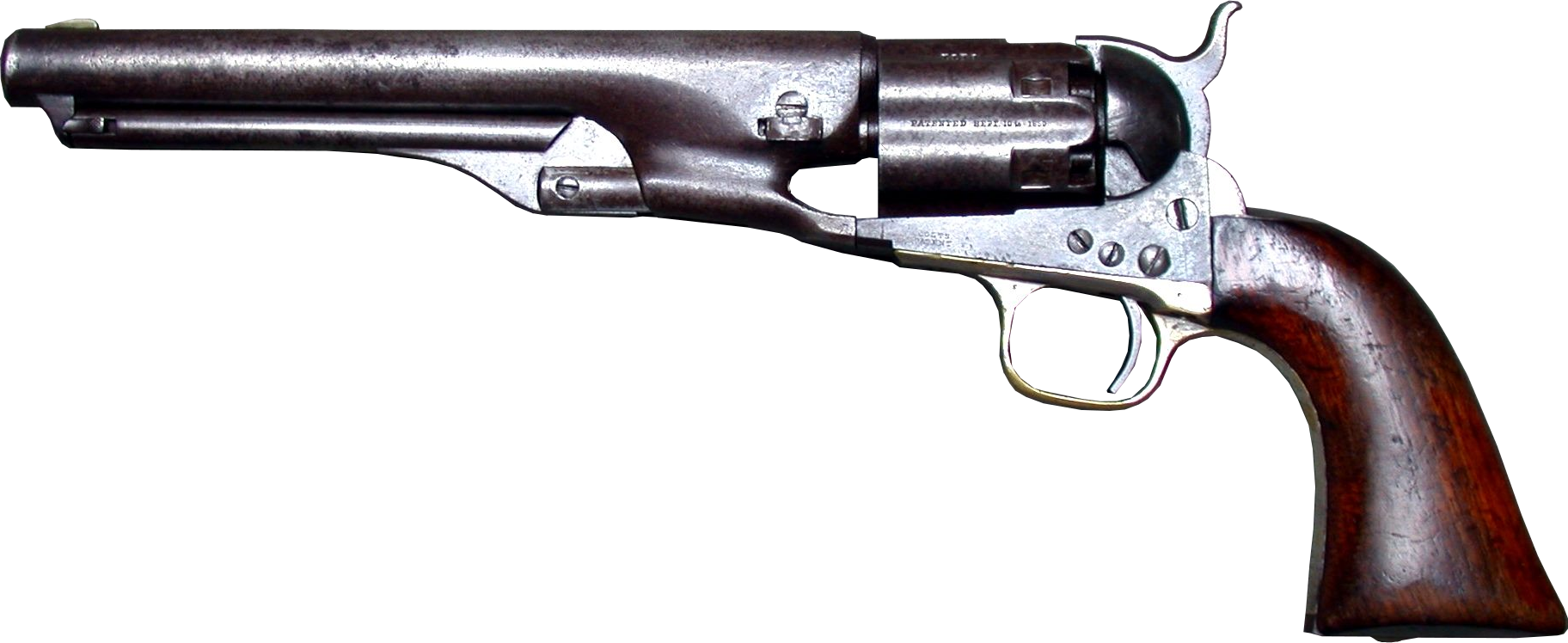
With the relatively recent explosion of metallic cartridge arms, the older “ball and cap” type of handguns that had been the standard ten years prior during the Civil War remained common, especially on the frontier where their low cost, prevalence and ease of supply in primitive conditions kept them in service. As with muskets, it was easier to source powder, lead balls and percussion caps than metallic cartridges, and indeed in many engagements a reload was not necessary or even possible, leaving the older types only slightly behind their more modern counterparts.
Type: Handgun
Action: Single
Overall Length: Various
Weight: Various
Caliber: Various, often .44
Feed System: Muzzle Loader
Country of Origin: United States
Year: Various
Bow
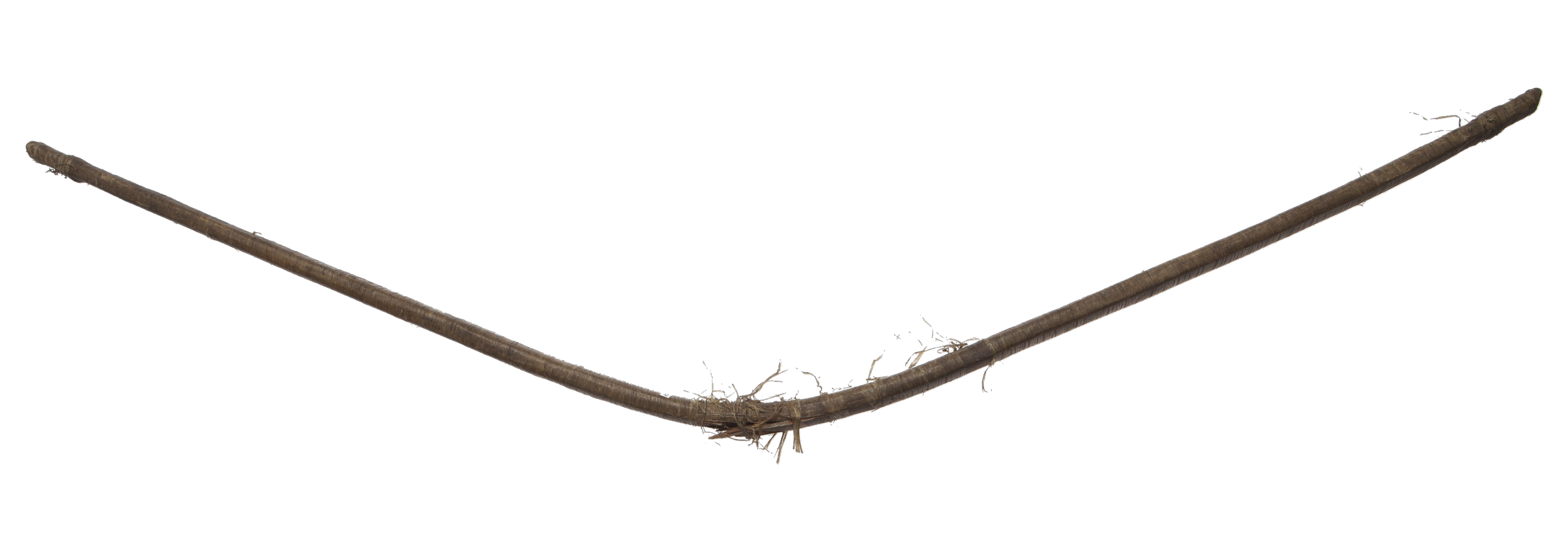


Even as evermore advanced firearms became available, many of the warriors of the plains retained their traditional bows and arrows, some due to choice with others simply not having access to firearms. These traditional weapons were handmade, and were often used for hunting as well as for battle, sometimes even being used for volley fire, sending arrows up from concealed positions to land among enemy soldiers in a manner similar to light artillery.
Type: Bow
Action: Manual
Overall Length: Various
Weight: Various
Caliber: Arrow
Feed System: Single
Country of Origin: Plains Tribes
Year: Various