Friday, June 16
After breaking camp Custer and his men continued toward the mouth of the Tongue today, and as they approach they come across an abandoned Lakota camp. Although it had evidently been vacant since the past winter, there were several burial scaffolds present, as well as the remains of a soldier. Custer ordered camp to be made at the location, and many of the soldiers set about desecrating the graves for souvenirs, much to the disgust of the attached Arikara scouts as well as some of the other soldiers¹.
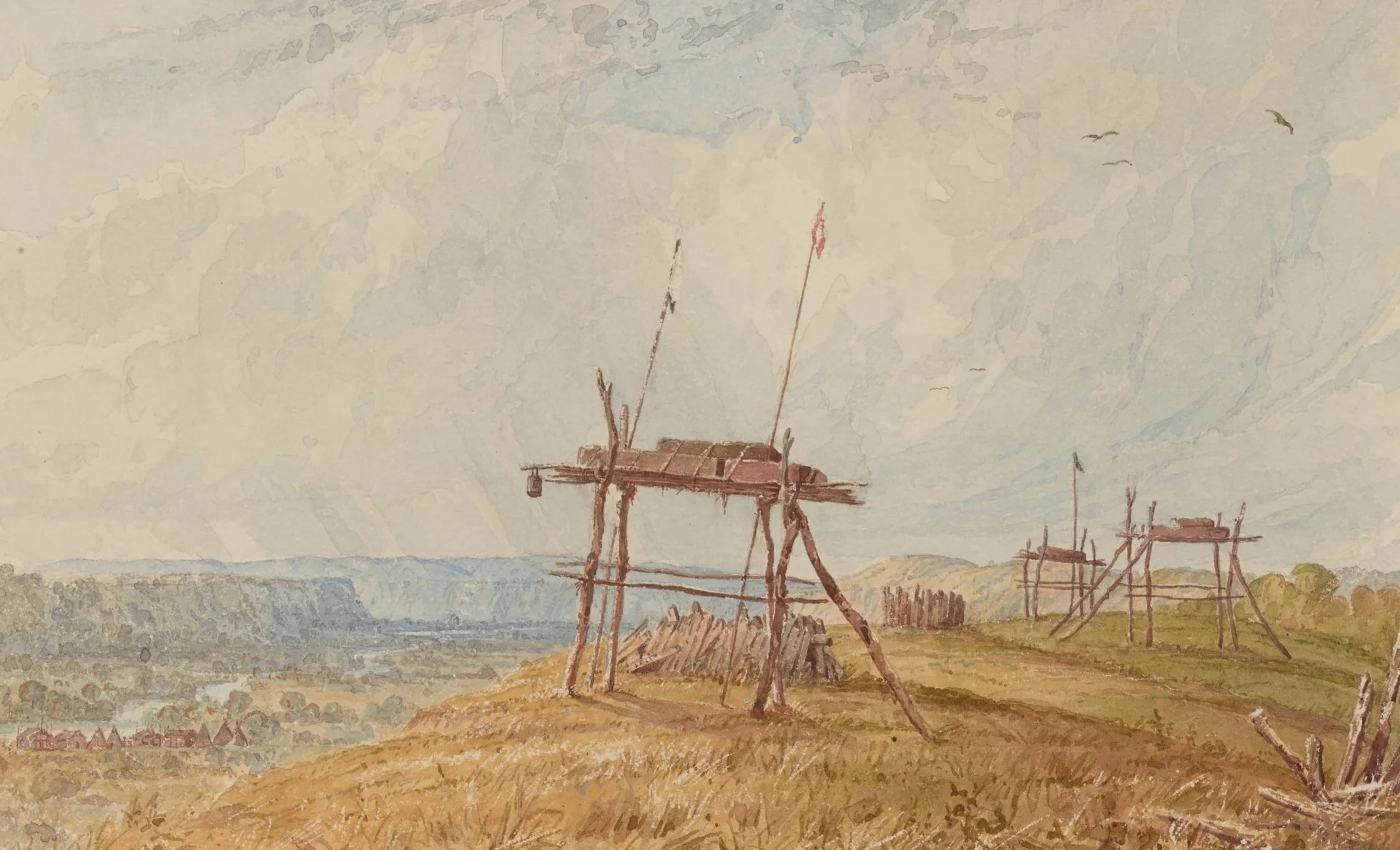
A contemporary artist’s depiction of Dakota burial scaffolds by Capt. Seth Eastman
Reno’s scout forces reached the Tongue today and then onward to the Rosebud. Encountering the remains of two large encampments, Mitch Boyer estimated the total number of lodges at 400². A large trail had been left from the lodgepoles, and Reno followed it for some time before halting for the night at 2330hrs. Boyer estimated that Sitting Bull was only a day’s march ahead, and Reno ordered double pickets for the night.
Gibbon’s forces had little to report today, aside from a column of smoke to the south. Unable to investigate, they were left to speculate that it was a Sioux camp, either attacked by Custer’s men or having set a grass fire.
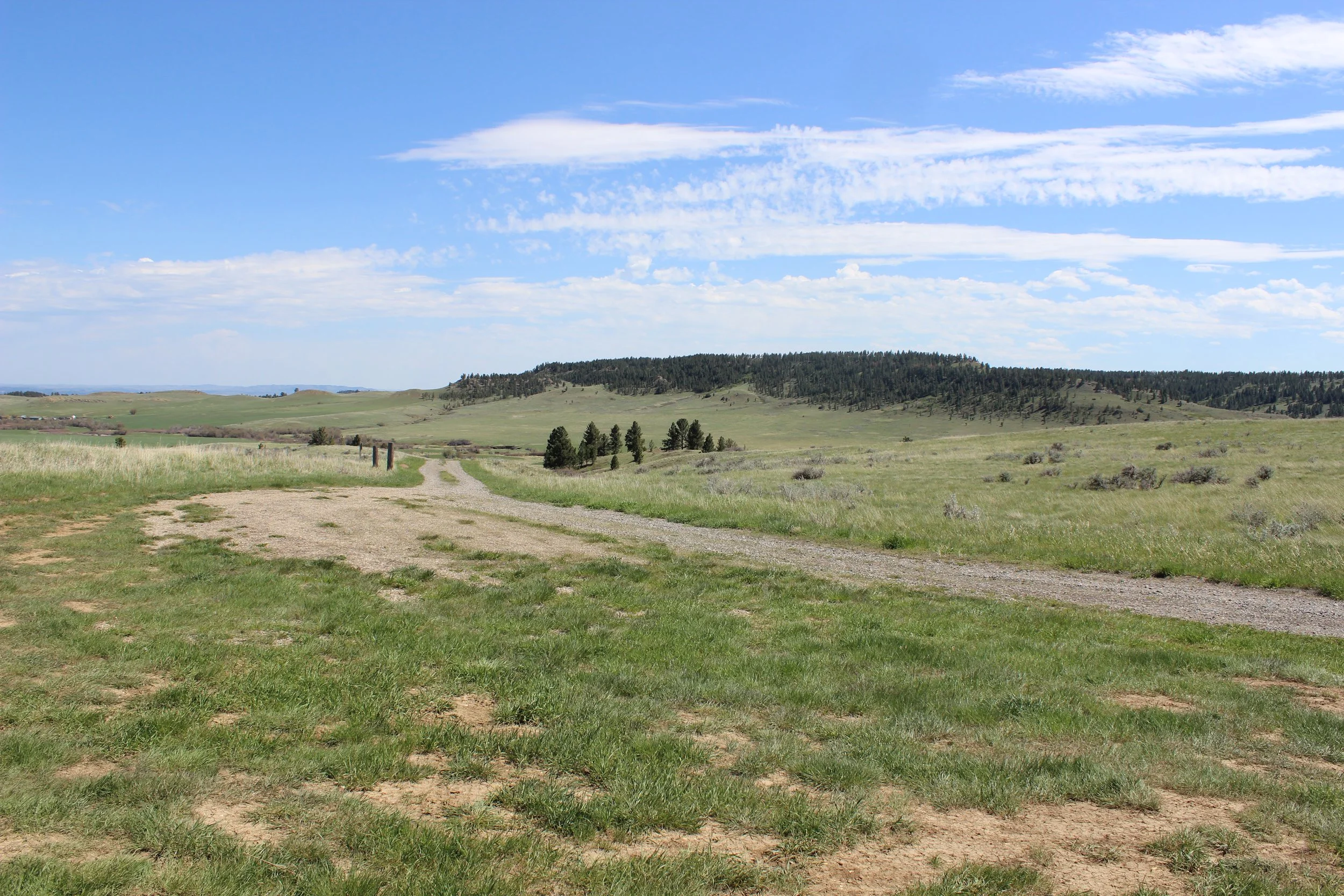
The country along the Rosebud
Marching Through History
In the south, Crook’s column set out northward at 0500hrs, the Crow singing battle songs as they marched with the column. The force crossed the Tongue several times as they marched to the northwest, the country becoming more rugged as they advanced. After a march of 25 miles the column halted as the Crows and Shoshones continued to scout the area, and they returned later reporting they had sighted the enemy. Reporting that they had observed a Sioux hunting party chasing buffalo, and after a brief council Crook ordered the column to move forward, eventually halting to make camp for the night at the source of the Rosebud after a total march of nearly forty miles. Scouts reported a nearby hunting camp abandoned so quickly as to leave meat cooking on the fire, and Crook’s men slept with arms at the ready and pickets keeping a sharp lookout. Campfires were banned (although the Crow scouts made them regardless³), and the sounds of enemy hunters shooting buffalo punctuated the night.
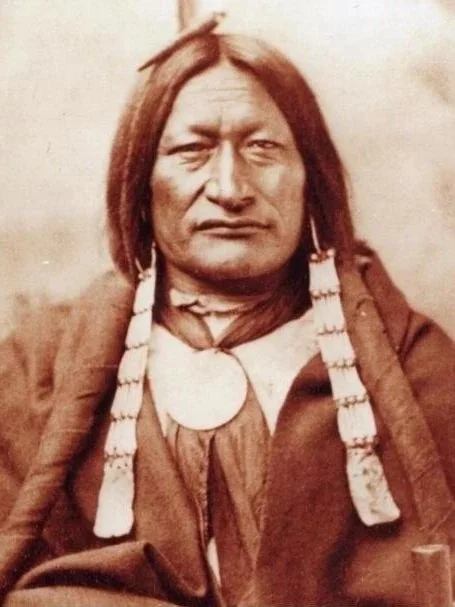
Little Hawk
The hostiles in question were actually mainly Cheyennes, with a group of five out hunting buffalo led by the Oglala Little Hawk, an uncle of Crazy Horse. Encountering unknown riders, they assumed they were friendly Lakota, and moved to prank them before cresting a hill and sighting the mass of blue uniformed soldiers of Crook’s column. The small group, led by Little Hawk, made hast back to the main village, which had recently moved to the Little Bighorn River, to alert Sitting Bull. Preparations were made overnight, with the Lakota and Cheyenne warriors preparing for battle as the women and children made ready to move the camp.
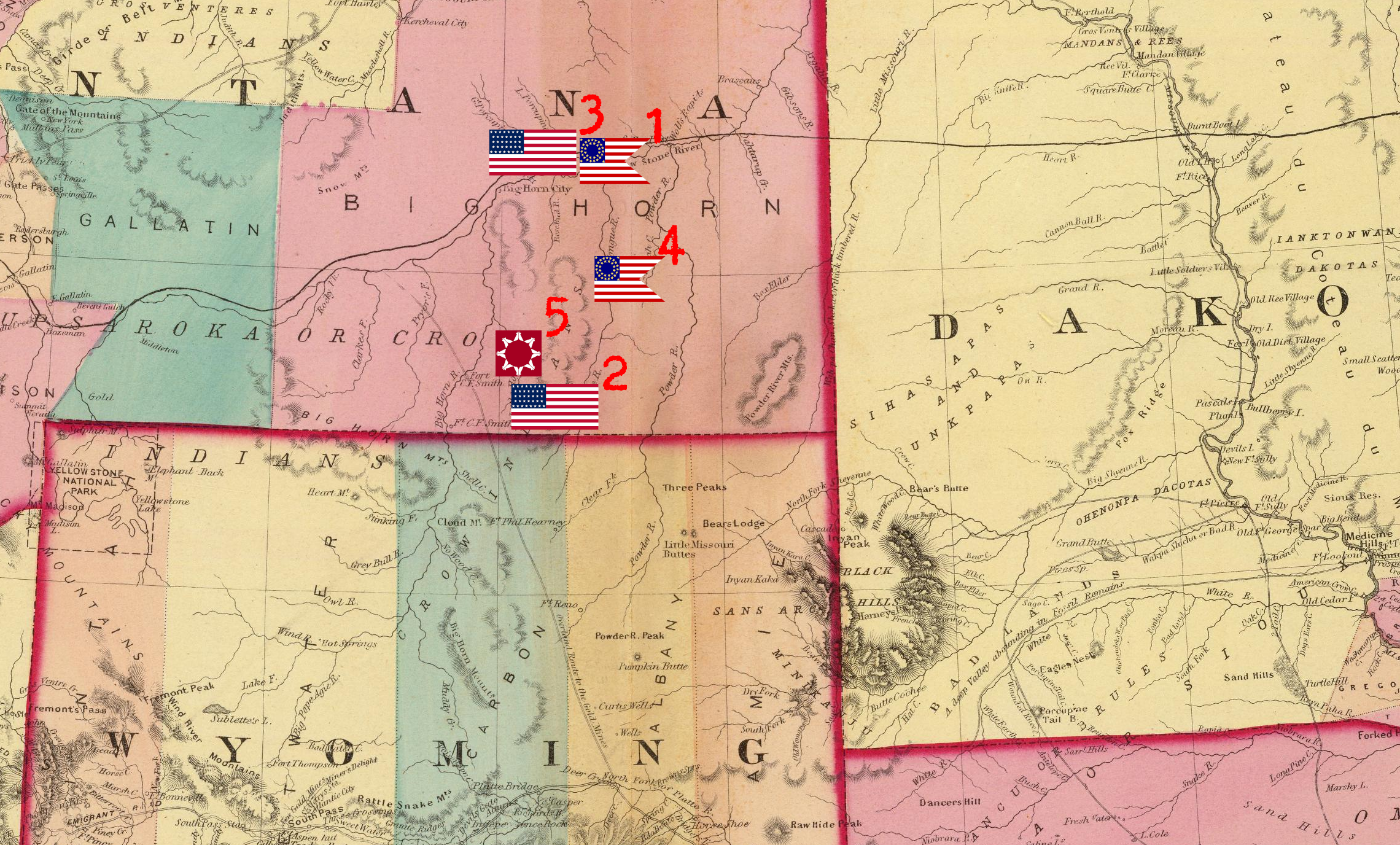
1. Dakota Column - CUSTER - Yellowstone River/Tongue River
2. Wyoming Column - CROOK - Rosebud Creek
3. Montana Column - GIBBON - Yellowstone River
4. 7th Cavalry Scout - RENO - Rosebud Creek
5. Sioux Encampment - SITTING BULL - Little Bighorn River
-
Weinell, p.92
Robinson, p.158
Robinson, p.138