The Battle of Leyte Gulf
Chapter 40
“This will be a fight against overwhelming odds from which survival cannot be expected. We will do what damage we can.”
23-26 October, 1944
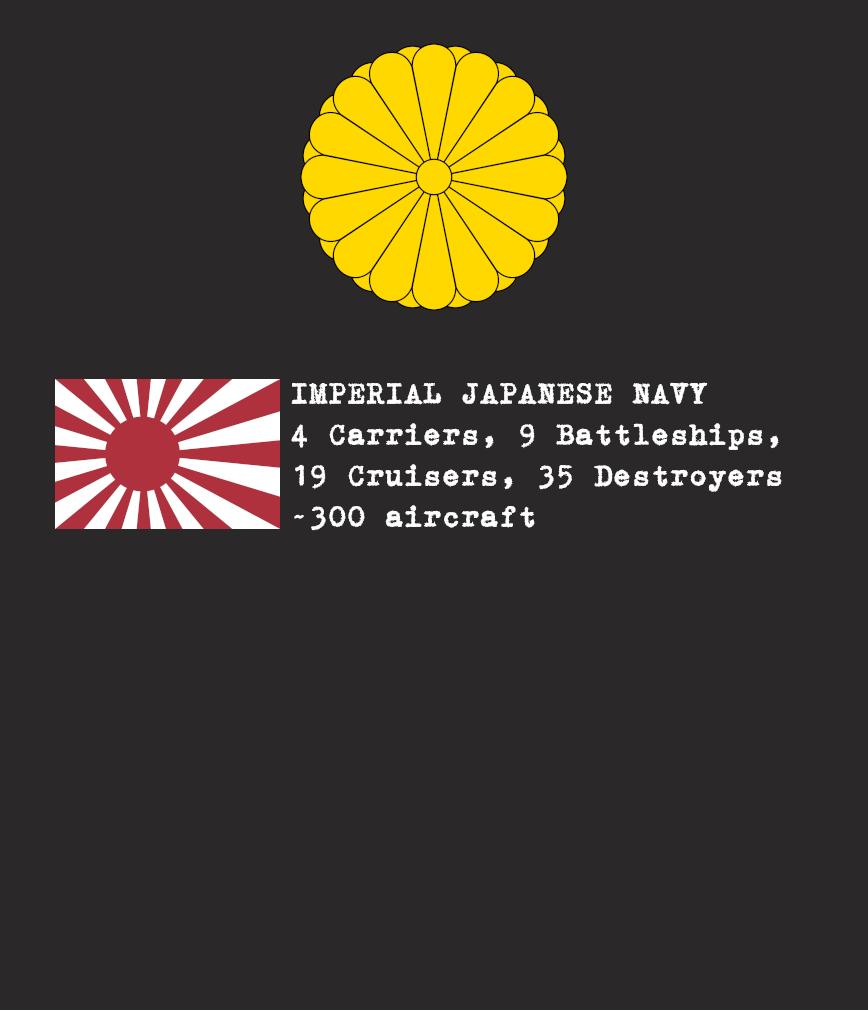
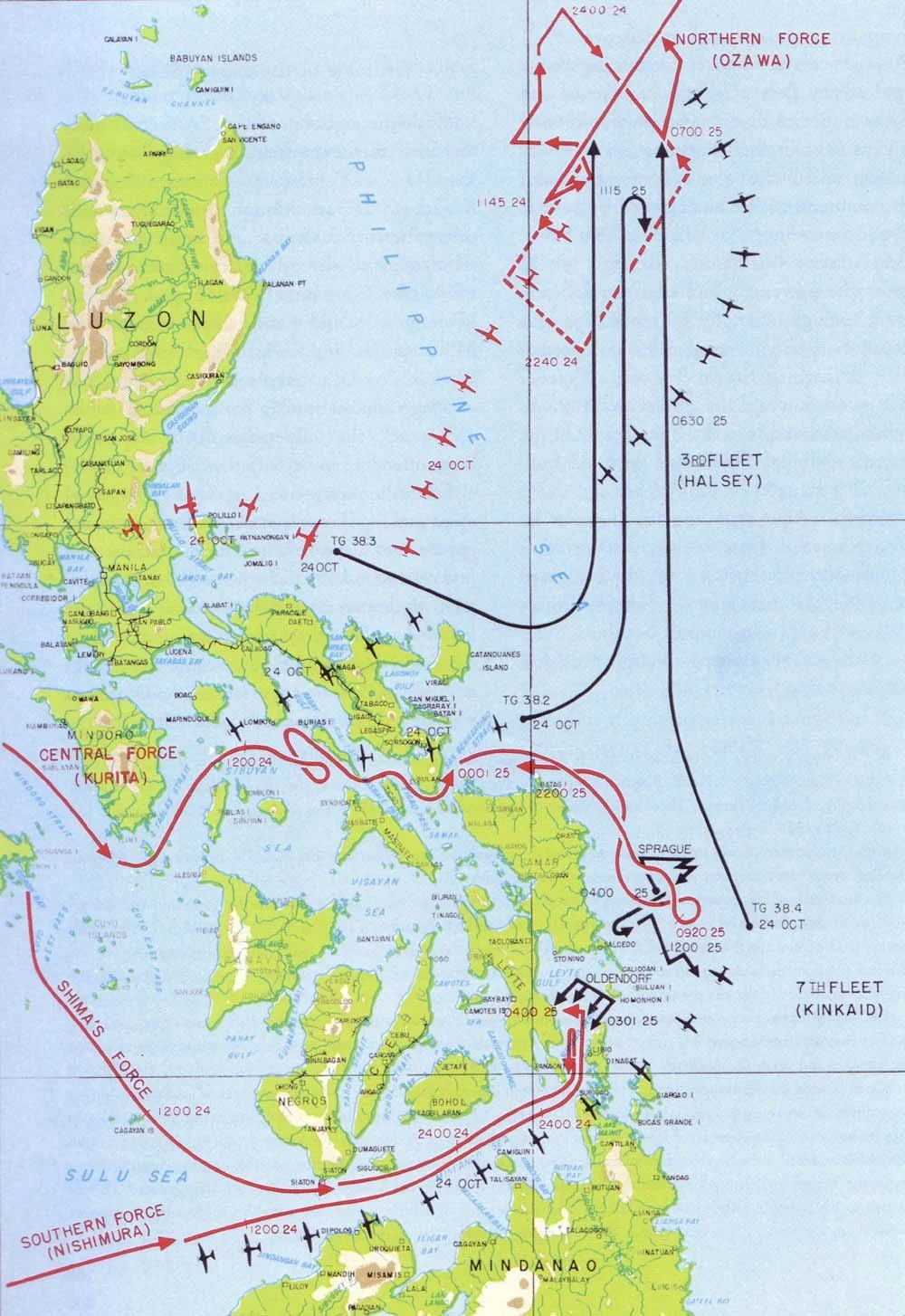
By the fall of 1944 the Imperial Japanese Navy was badly mauled, but like the rest of the Emperor’s forces they stubbornly refused to admit the inevitability of their impending defeat. The Imperial Naval General Staff remained convinced that victory could still be achieved with one deceisive blow, but were aware that the window to do so was about to close forever. The plan, designated “Sho-Go”, entailed committing nearly the entire remaining IJN surface fleet to meet the Americans at their next planned landing after the Marianas, with contingencies for landings on Formosa as well as the Kuril Islands and the Ryukyu Islands.
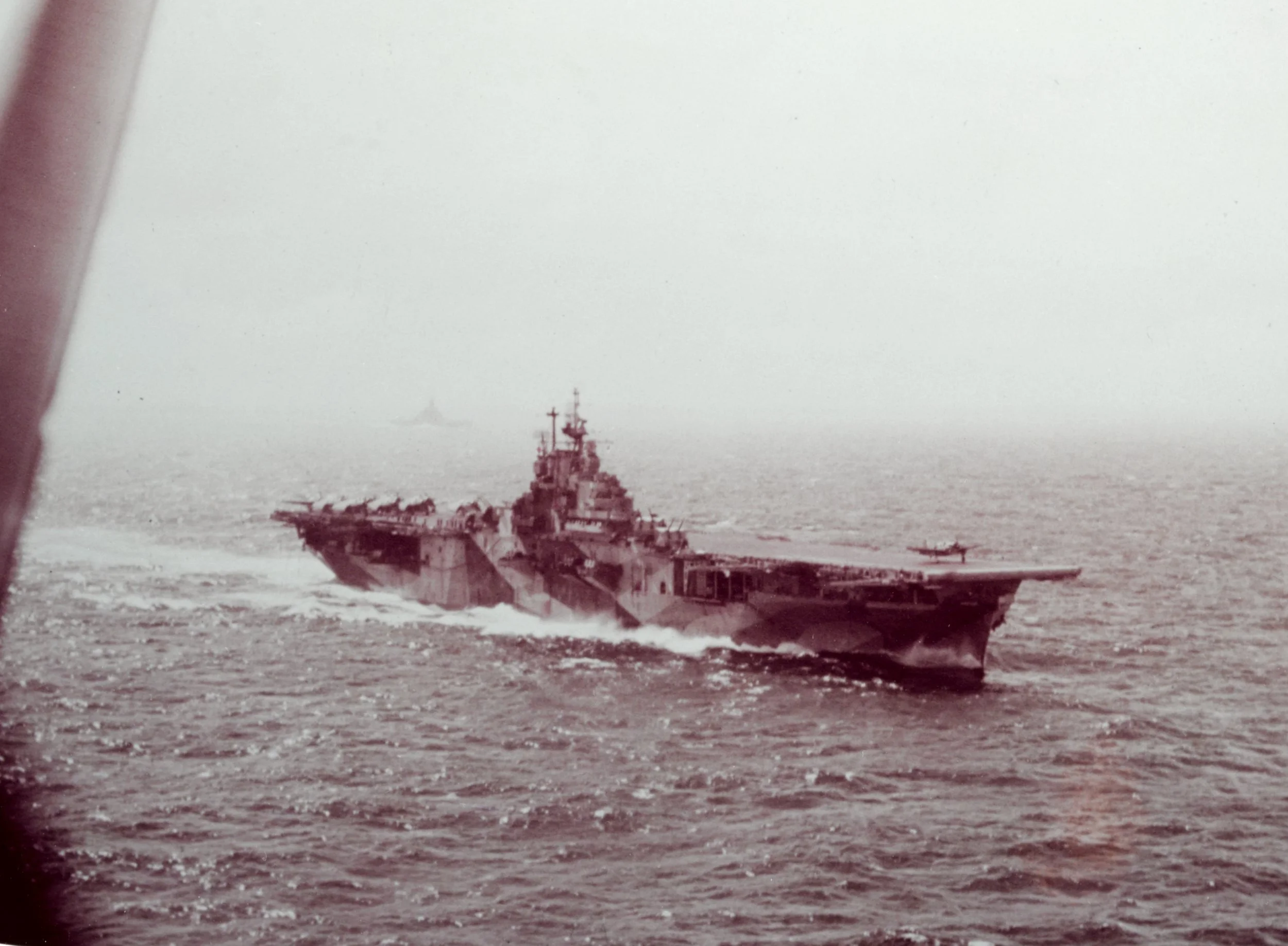
Planes launch fron the carrier USS Intrepid
Large scale American raids on Formosa led the Japanese into a large air engagement in the area, resulting in the decimation of their land based air power in the region, before it became apparent that landings were coming to the Philippines, resulting in the proper activation of Sho-Go 1. This plan called for a three-pronged naval force to attack the US fleet near the Philippines, with battleships operating in a vast pincer movement to cut off the invasion force and destroy it was support from the large numbers of land based aircraft stationed in the Philippines. These were divided into the Southern Force and Center Force, both with strong battleships including the two Yamato class super-battleships Yamato and Musashi, the former under the command of Vice Admiral Shoji Nishimura and the latter commanded by Vice Admiral Takeo Kurita. Additionally, a Northern Force was to sail from the Home Islands with the remnants of the Japanese carrier fleet, although these were intended actually to serve as a decoy to pull the powerful American 3rd Fleet out of the battle area.
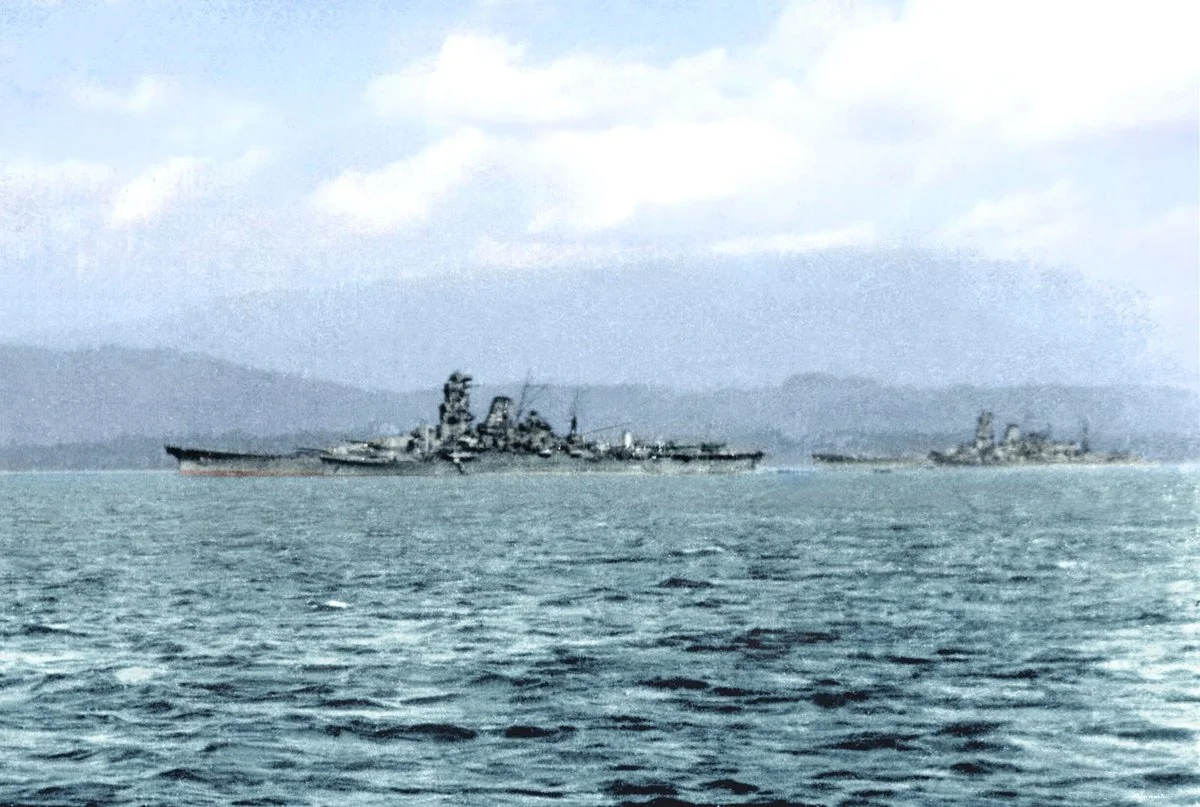
Yamato and Musashi in Brunei before casting off with Center Force
The first signs of the Japanese movements came on 23 October, when the American submarines USS Darter and USS Dace spotted the Center Force sortieing from Brunei. After reporting the movement, the submarines attacked, sinking the cruiser Maya and badly damaging the cruiser Takao. The cruiser Atago, flagship of Admiral Kurita, was also sunk, forcing the fleet commander to transfer his flag to the battleship Yamato. Despite USS Darter running aground and abandoned, the Japanese plan for a decisive victory was off to a poor start.
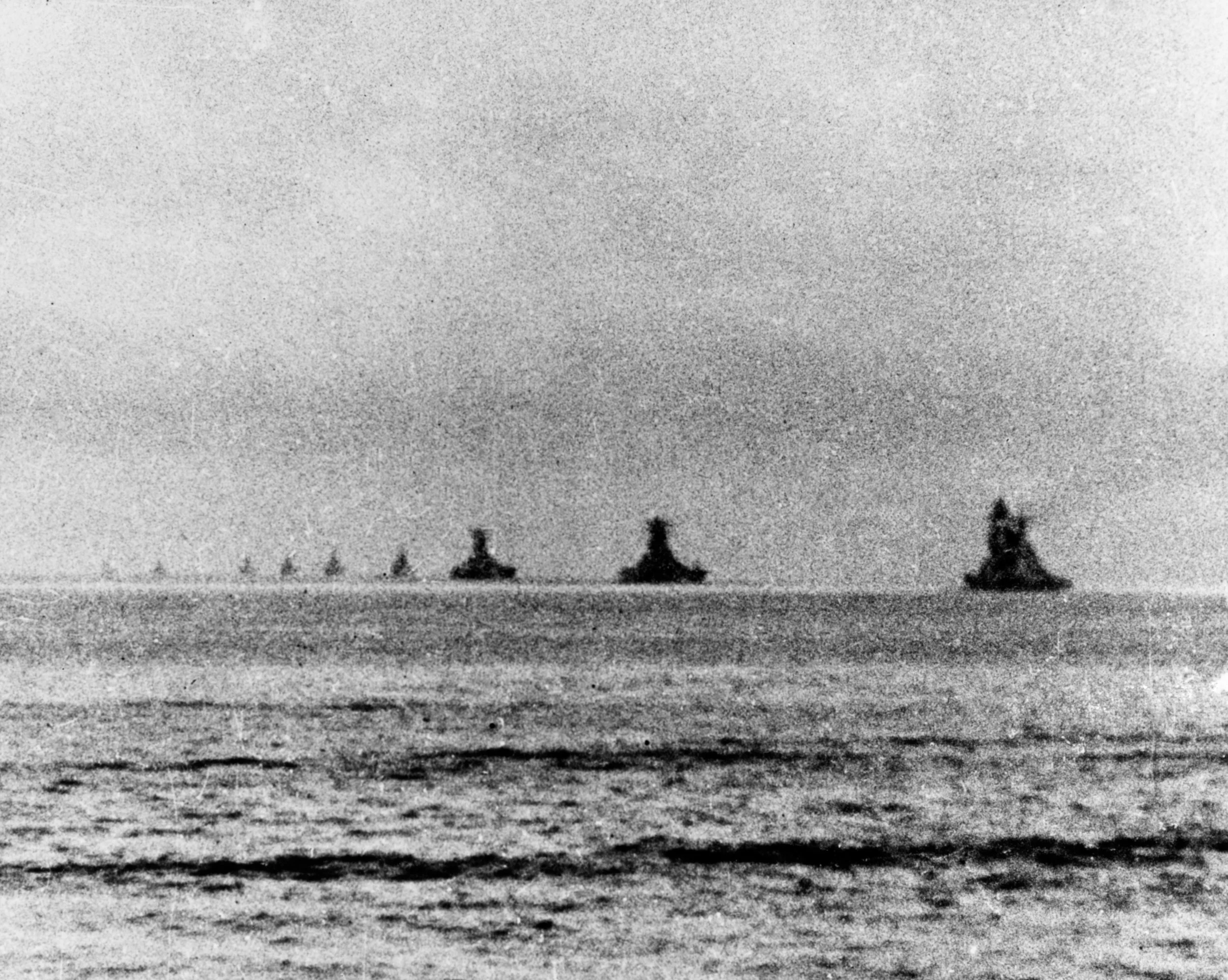
The Japanese Center Force sets out for the Philippines, as seen from the periscope of an American submarine as they sortied from Brunei
The following day, 24 October, the Battle of Leyte Gulf began in earnest as land based Japanese planes attacked the American 7th Fleet en masse, with most being intercepted by US Navy fighters. The Japanese, by this time feeling the effects of the loss of most of their experienced pilots, were easy prey for the veteran American aircrews, although one Japanese bomber was able to get through and strike a critical hit on the light carrier USS Princeton. Penetrating her decks, the Japanese bomb exploded in the hangar, detonating TBF Avenger torpedo bombers that were fueled and armed below decks, along with additional munitions and fuel tanks. The ship was turned into a massive inferno, and secondary explosions subsequently crippled the cruiser USS Birmingham before the wrecked carrier was abandoned and scuttled in the evening.
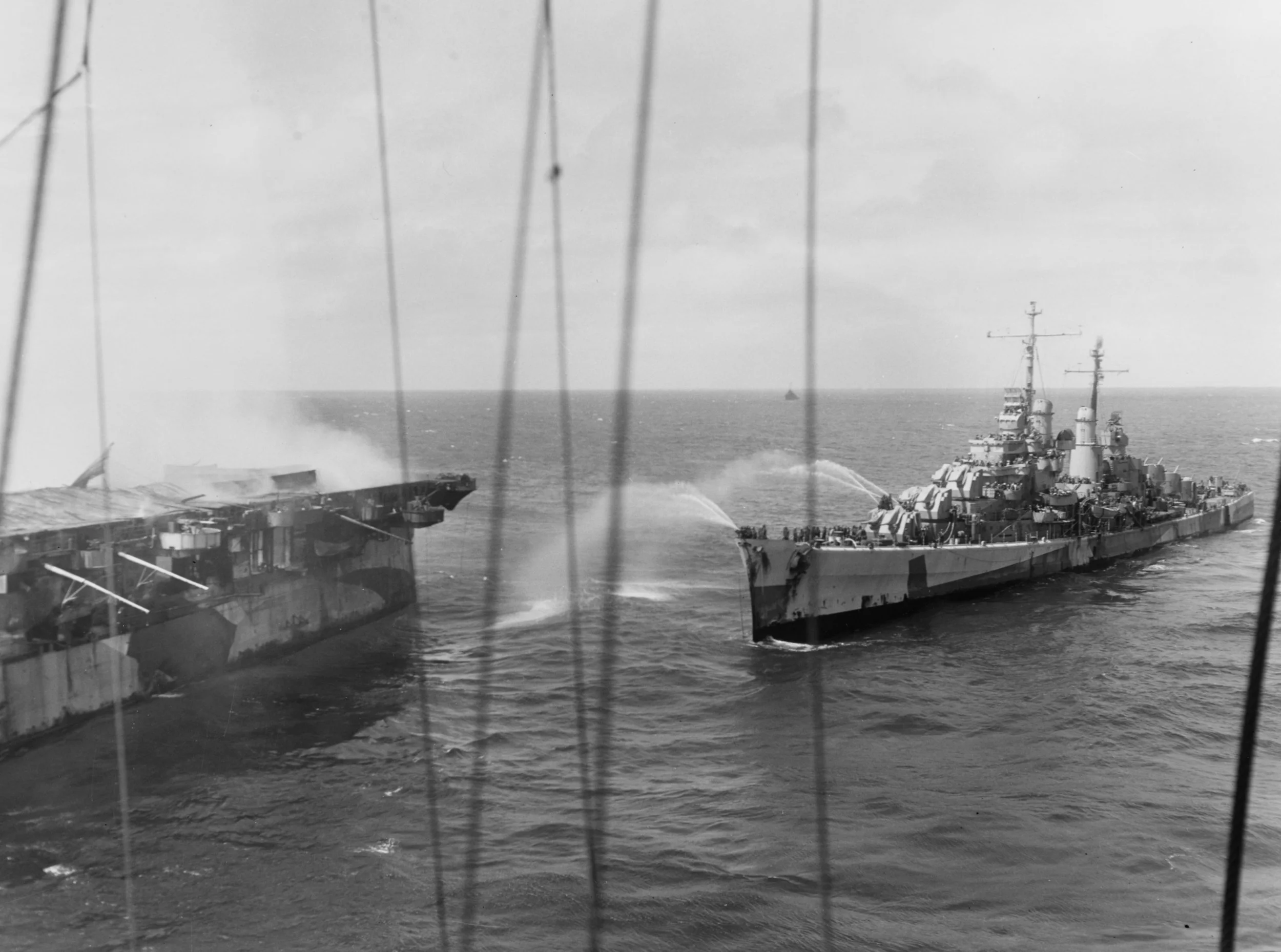
Firehoses from the cruiser USS Birmingham attempt to save the crippled USS Princeton
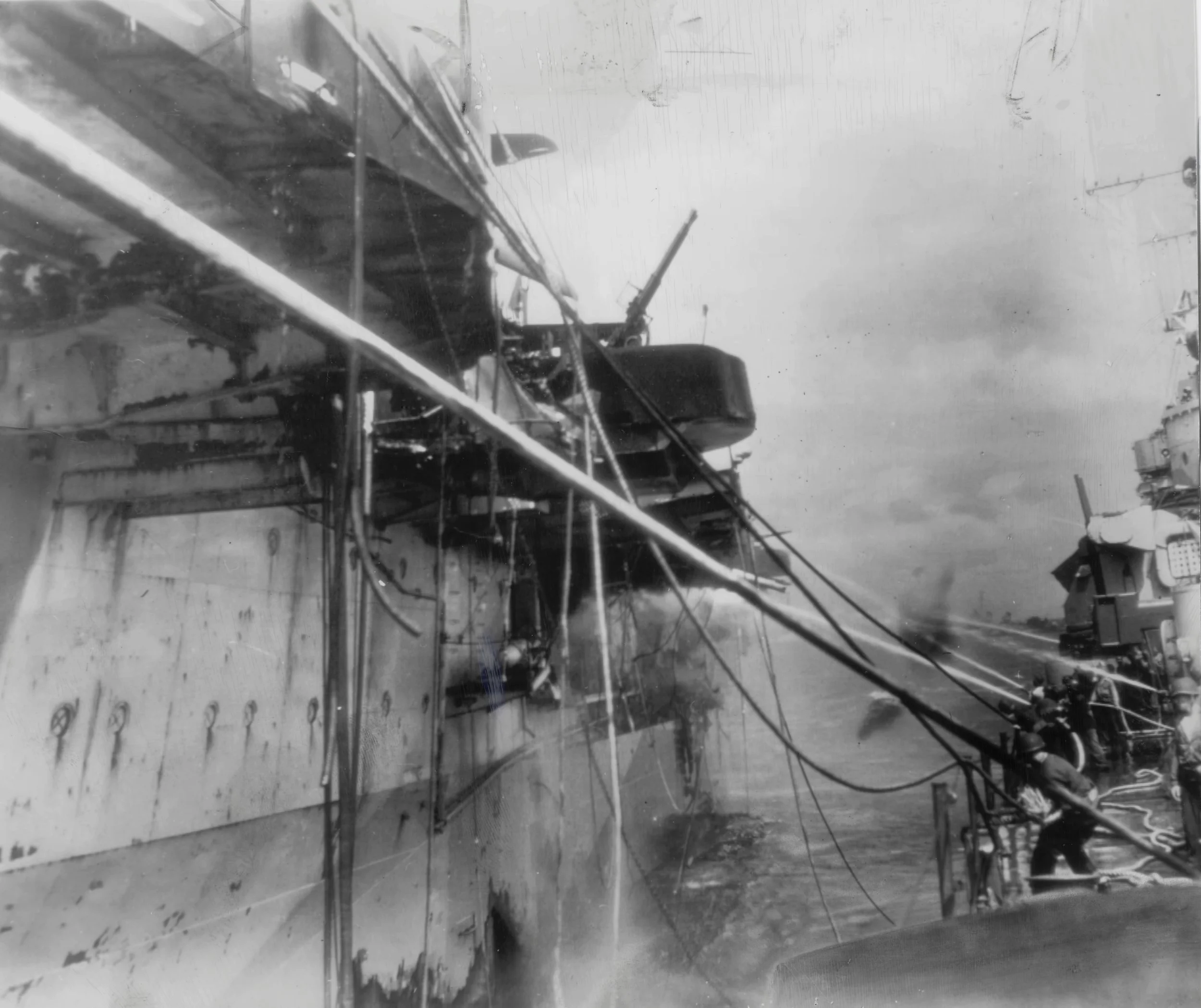
Damage control attemps from a destroyer alongside the crippled USS Princeton
Meanwhile, the Japanese Center Force was attempting to push into the Sibuyan Sea, and were set upon just before noon by American carrier planes. Deployed from a half dozen carriers, they swarmed around the Japanese battlefleet, which included the massive battleships Yamato and Musashi, the two largest battleships ever built and the pride of Hirohito’s navy.
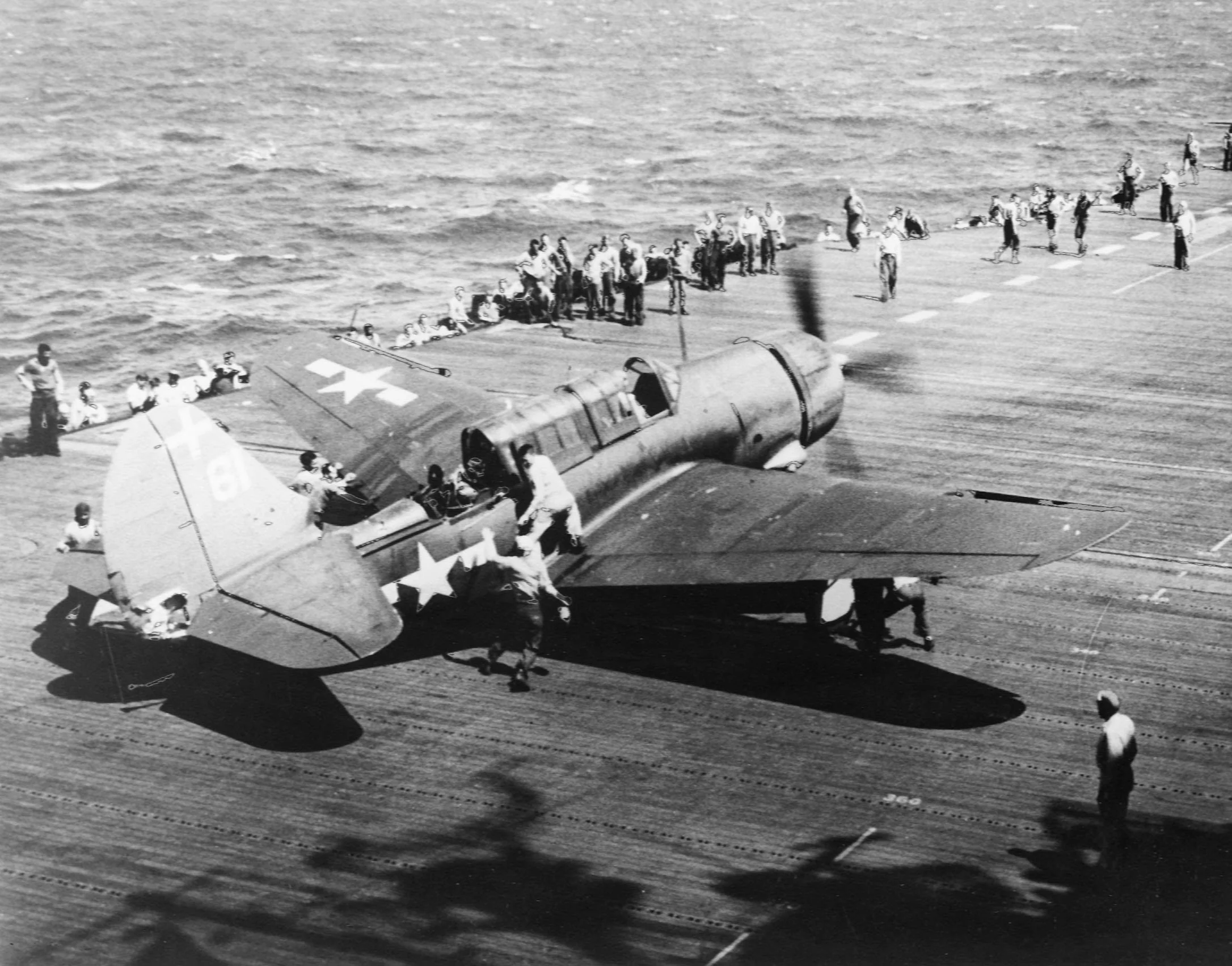
An SB2C Helldiver dive bomber prepares to take off from the USS Intrepid
Yamato, now serving as flagship for Kurita’s Center Force, was struck by American bombs, as was her sister Musashi and the battleship Nagato. Further strikes also crippled the cruiser Myoko, forcing her to disengage and retreat from the battle area. The rest of Kurita’s Center Force soon followed, breaking off and retreating from the aerial onslaught.
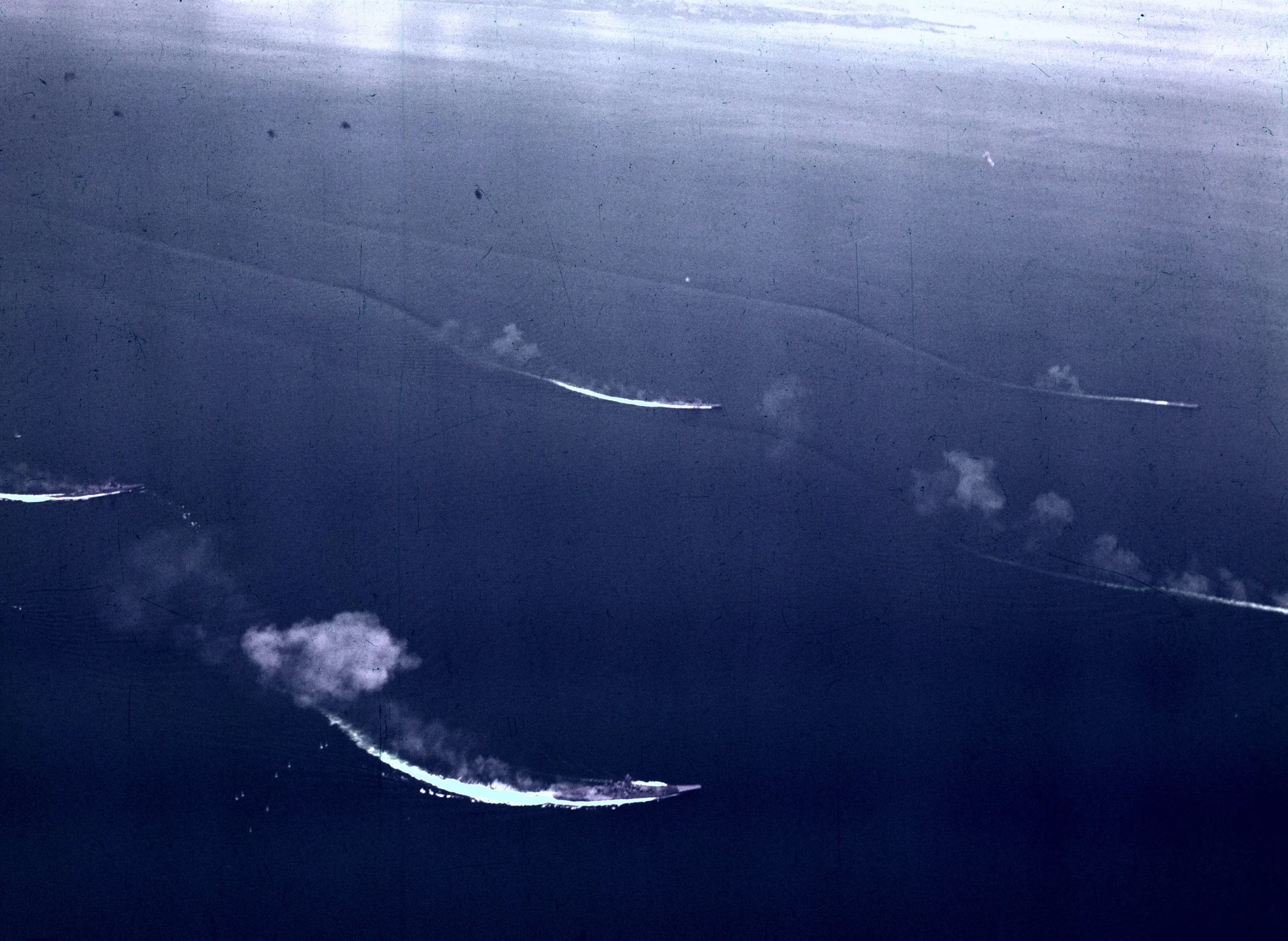
The Japanese fleet maneuvers in the Sibuyan Sea
Musashi, however, became the focal point of the American attack, with successive waves of dive bombers and torpedo bombers pummeling the ship. Engine rooms were flooded, hydraulics destroyed, and her rudders jammed after almost forty bomb and torpedo hits. Despite valiant efforts by damage control teams and extensive counterflooding to right the listing behemoth, the damage was too severe. In the evening the Musashi, almost immobilized and with her forecastle awash, finally capsized and sank, exploding as she slipped beneath the waves.
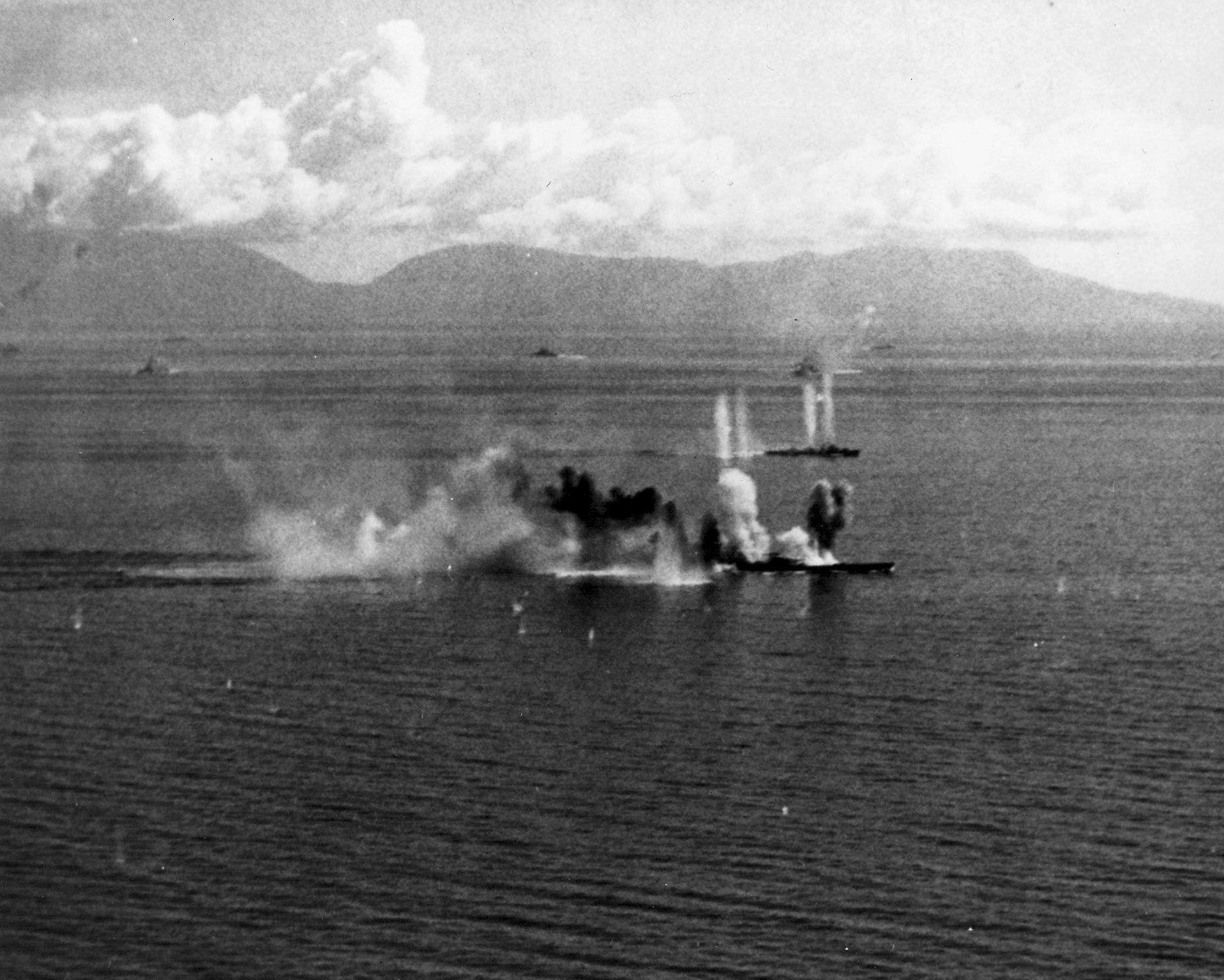
Musashi shrouded by smoke and geysers from American bomb and torpedo impacts in the Sibuyan Sea
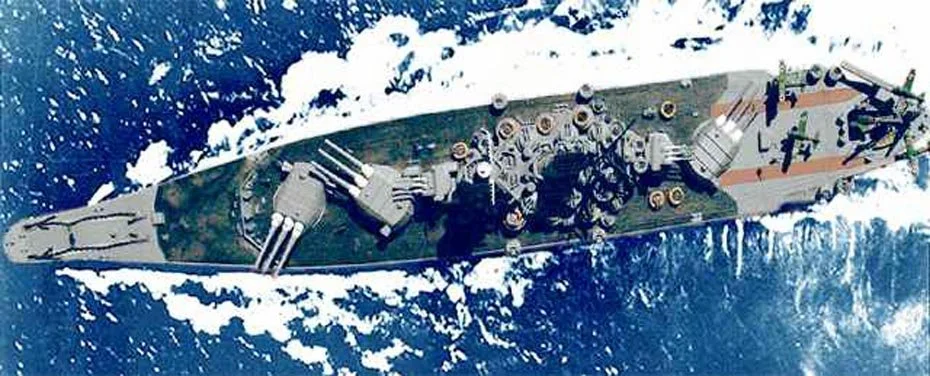
Musashi takes evasive action in the Sibuyan Sea

Musashi down by the bow in the Sibuyan Sea
Considering the main Japanese threat defeated, Admiral Halsey turned his attention northward toward the carriers of the Northern Force. Beleiving the battleships defeated, Halsey now intended to seize the golden opportunity to annihilate the remnants of the Imperial Navy’s carrier forces, and in so doing pulled almost his entire 3rd Fleet out to join an attack scheduled for dawn on the 25th. Orders were dispatched to headquarters in Hawaii as well as the invasion forces of the 7th Fleet, although some orders were vague on how to respond to additional Japanese threats.
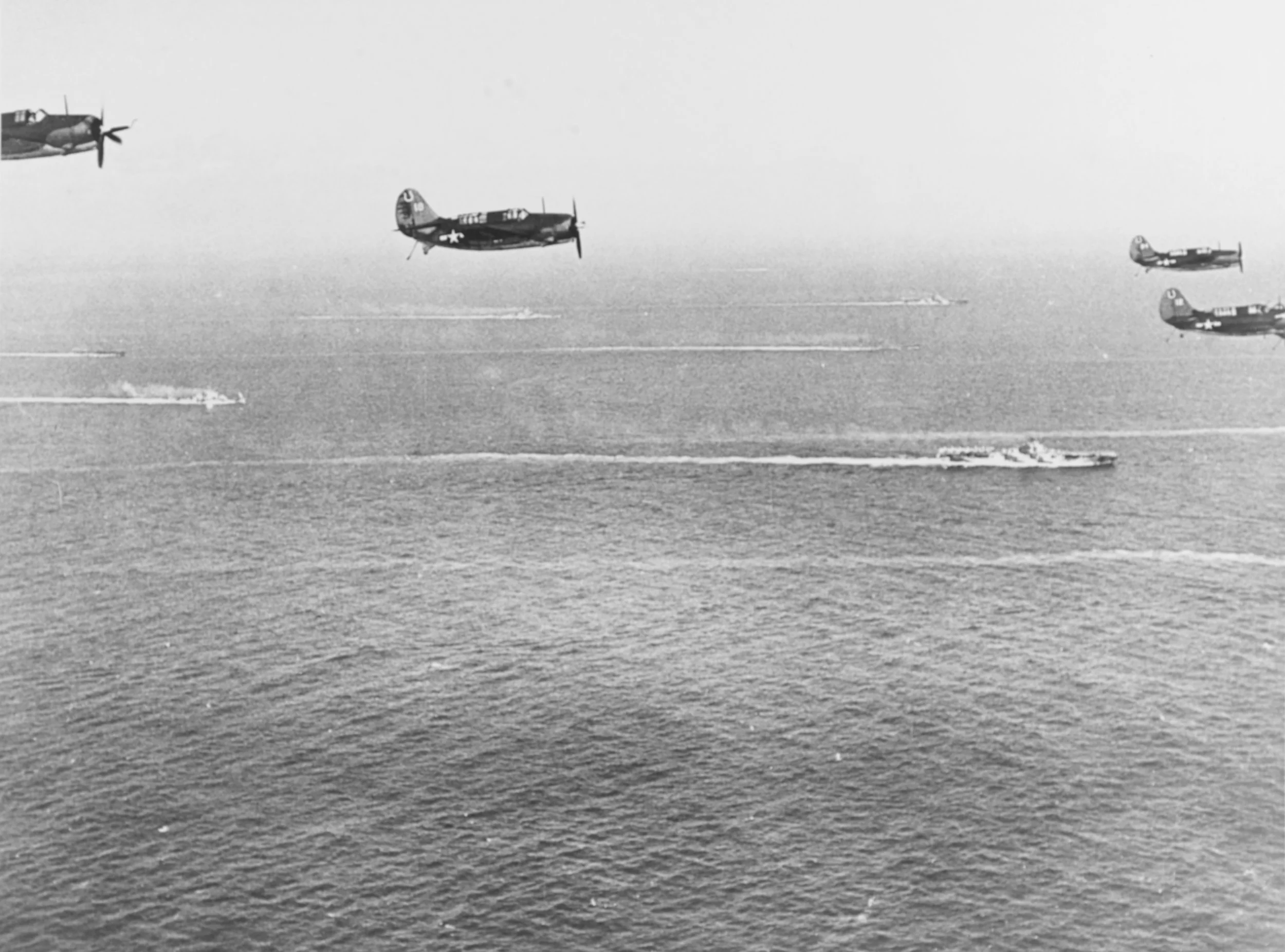
US Navy Helldivers returning to their carriers
The next phase of the battle commenced after dark, as the Japanese Southern Force entered the Surigao Strait. US PT-Boats struck at the Japanese fleet as they entered the strait, and although they were unable to damage the enemy, the small craft were able to alert the main force of the 7th Fleet, which included a strong battlegroup under the command of Rear Admiral Jessie Olendorf, with six battleships as well as cruisers and destroyers. Admiral Nishimura commanded a force of two battleships and four cruisers, along with destroyers, greatly outnumbered by the Americans.
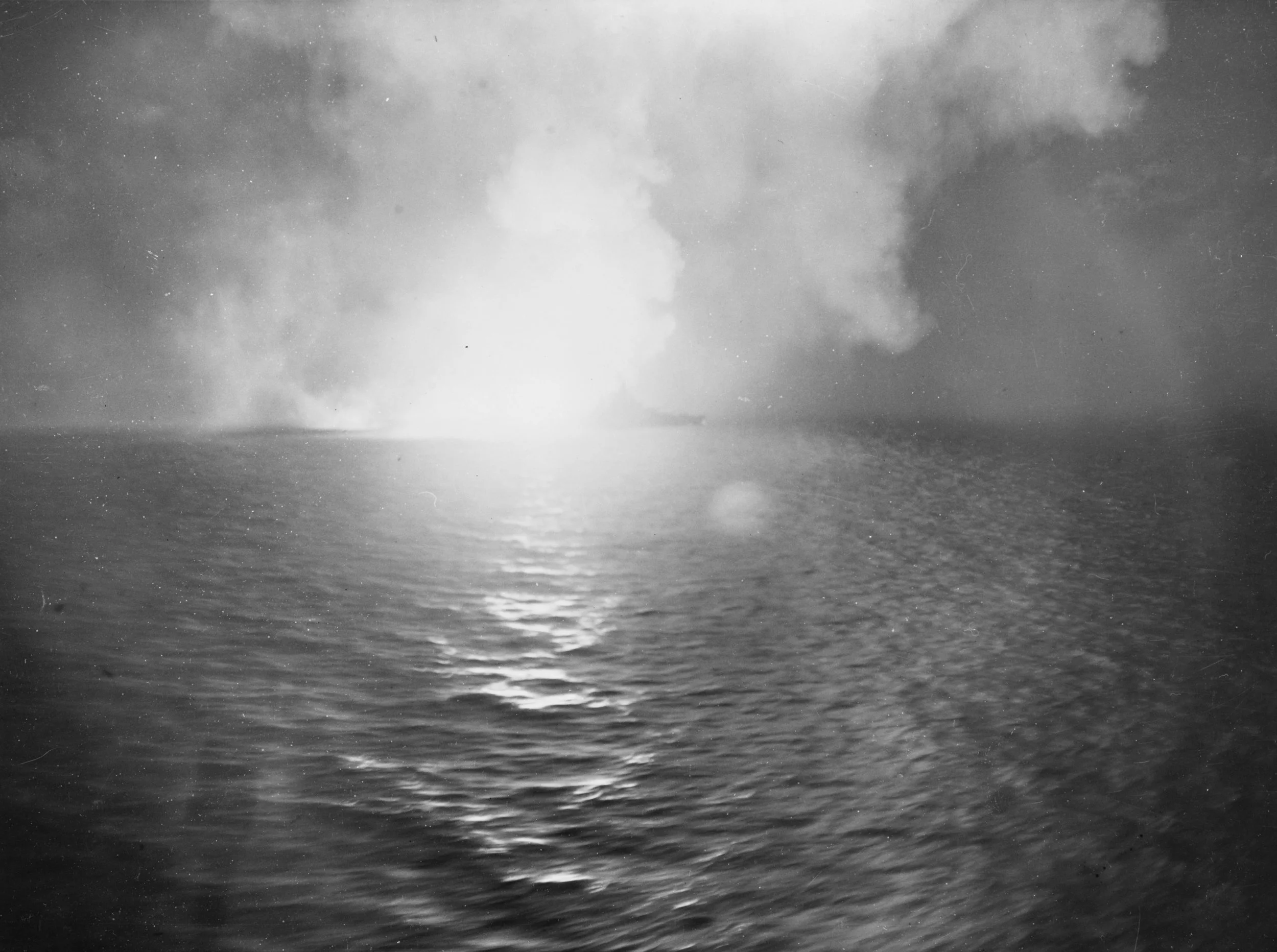
USS West Virginia fires a salvo at the Japanese fleet in the Surigao Strait
As the Japanese continued their advance, American destoryers attacked from both the east and west, torpedoing and sinking the battleship Fuso and damaging the flagship Yamashiro. As the Japanese sailed northward, they found themselves in the worst possible position in battleship warfare, as the American battleships, deployed in a line running east to west, “crossed the T”, allowing their entire force to broadside the Japanese ships steaming headlong toward them in the night. To make matters worse, the radar assisted fire directors on the US ships allowed them to engage long before the Japanese were able to return fire, and Yamashiro was pummeled by heavy gunfire, putting up courageous resistance for a half hour before capsizing and sinking, taking Admiral Nishimura with her. Only a single destroyer survived the destruction of Nishimura’s task force, linking up with the second element of Southern Force as it retreated.
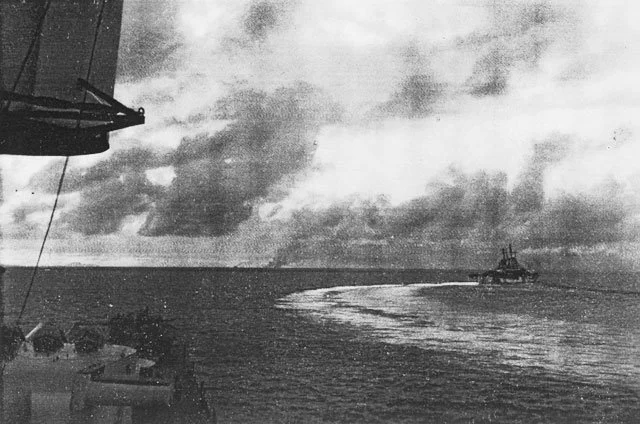
US ships maneuver to broadside the Japanese at the Surigao Strait
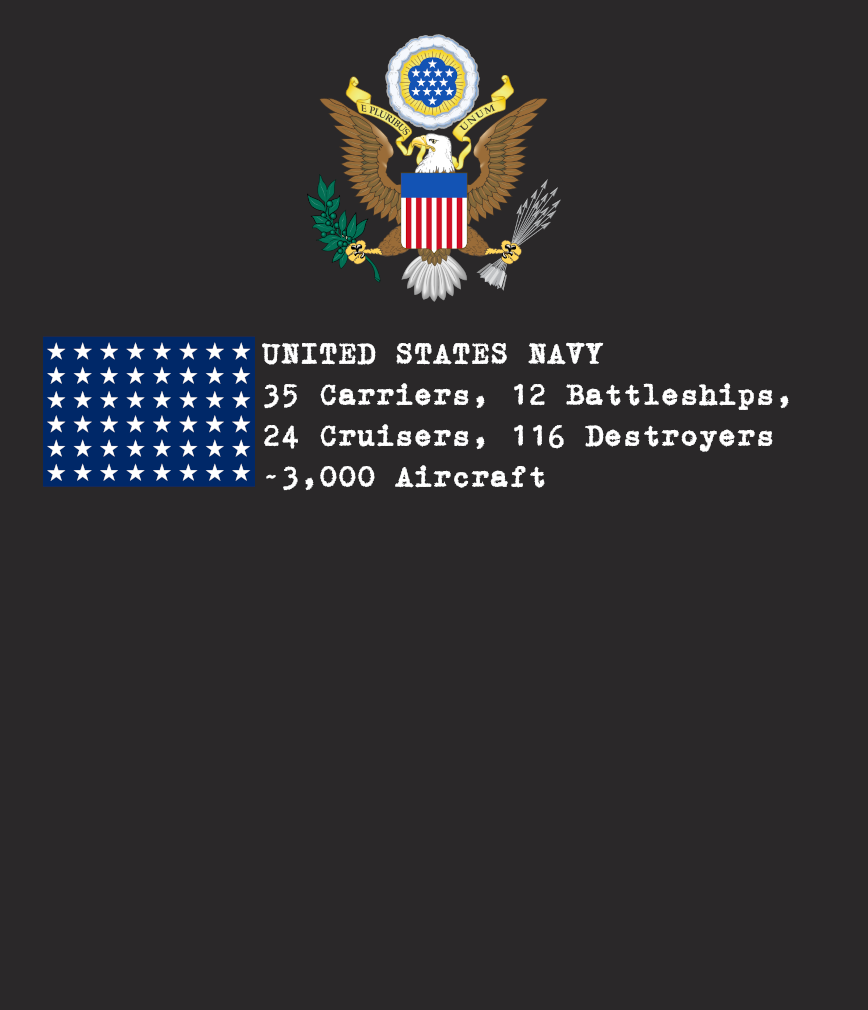
While the battle of the Surigao Strait raged far to the south, Admiral Kurita had turned Center Force around, entering into the San Bernadino Strait and finding it unguarded following the departure of Haley’s ships. Their plan was to attack the invasion fleet landing at Leyte from the north by rounding the island of Samar, and due to Halsey having taken the bait of the carriers far to the northeast, the only American force standing in Kurita’s way was the small task force designated Taffy 3. This force consisted of six small escort carriers, three destroyers, and four destroyer escorts, with a combined tonnage less than that of the Yamato alone. Equipped to support the ground troops on Leyte, the already woefully outmatched Taffy 3 also had an air wing lacking armor percing munitions to engage enemy capitol ships.
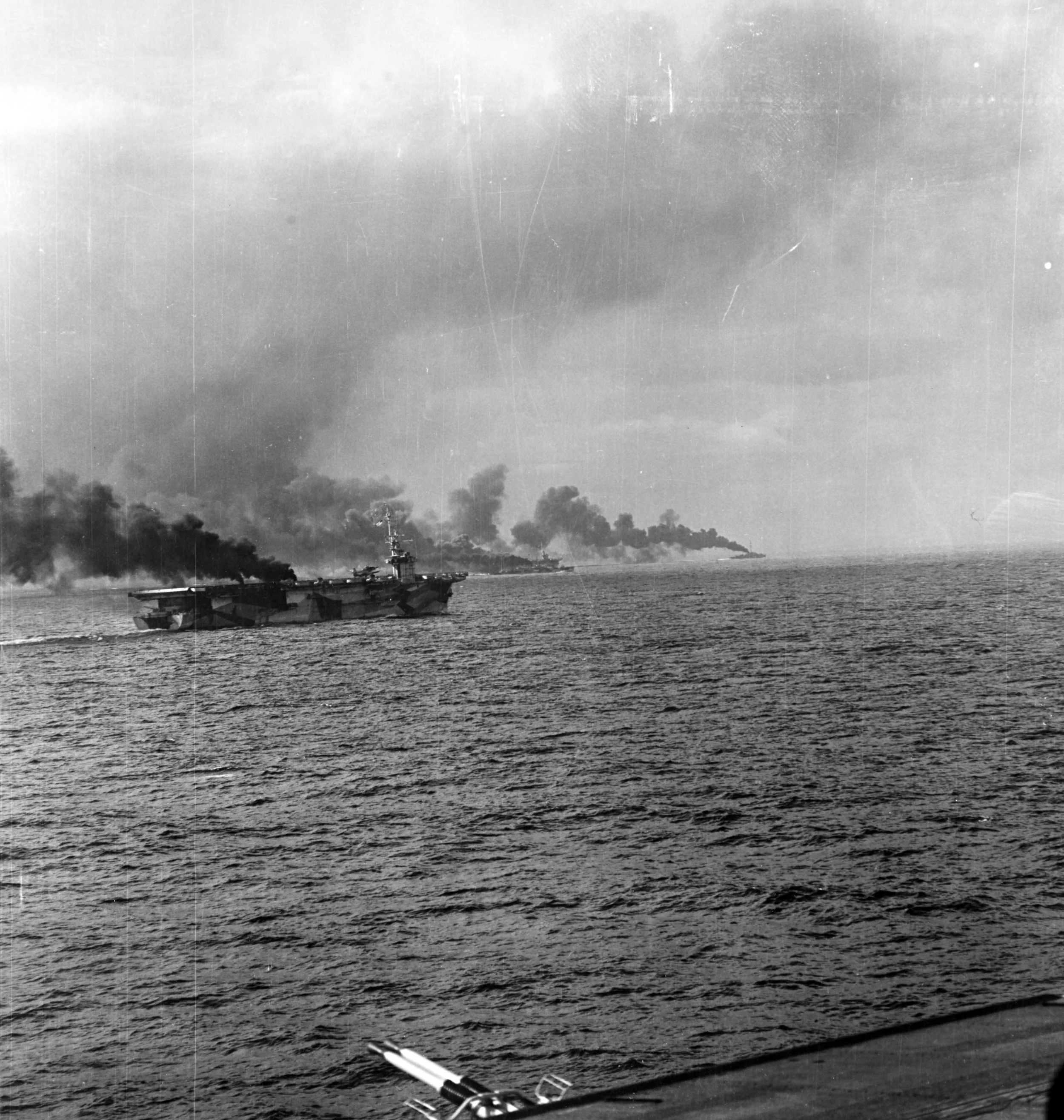
Ships of Taffy 3 make smoke as the Center Force attacks
The sudden appearance of Center Force caught Admital Clifton Sprague, commander of Taffy 3, off guard, and he ordered his carriers to launch their planes and retreat while the destroyers laid smoke and screened them. One of the destroyers, the USS Johnston under the command of Ernest J. Evans, accelerated to flank speed, charging the Japanese fleet and engaging the superior force with torpedoes and her small five inch guns. Driving on the cruiser Kumano, Johnston was able to blast off the cruiser’s bow with a solid torpedo strike, along with hitting her bridge with gunfire, knocking her out of the fight.
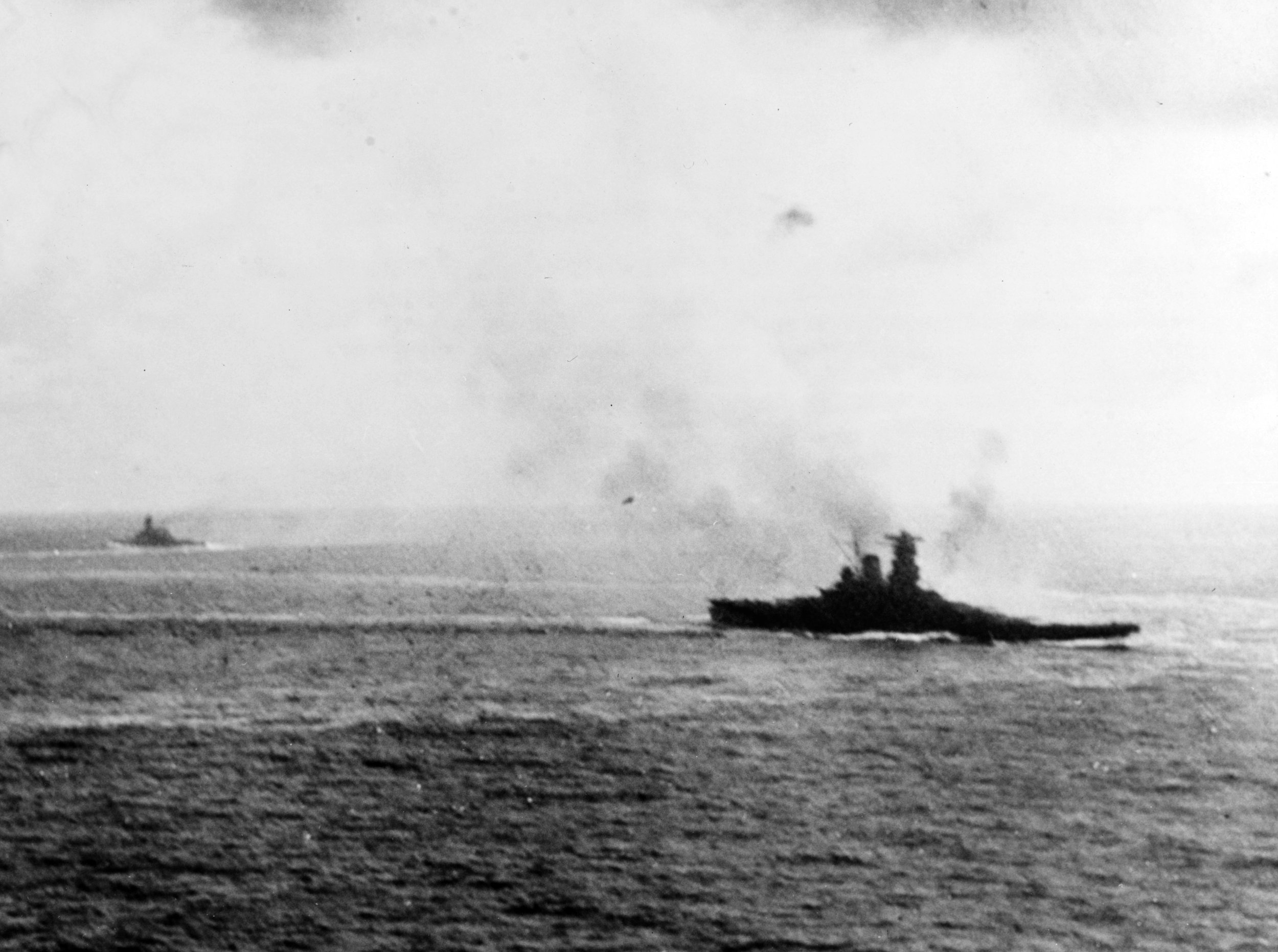
Yamato moves to engage the destroyers of Taffy 3
Immediately afterward, Sprague ordered the destroyers USS Hoel and USS Heerman to engage as well, with Hoel taking severe damage but managing to force the battelship Kongo to break off before attacking Yamato with torpedoes and guns. Hoel was finally disabled and sunk shortly thereafter by heavy fire from the Japanese barrleships. Johnston took up the attack on Kongo as the wounded Heerman broke off, and after a shell from the battleship smashed her bridge Commander Evans relocated to the exposed after steering station to command the ship. Moving to cross the T with a line of Japanese destroyers attempting to flank the escort carriers, Johnston took a savage beating before finally being claimed by the sea. Commander Evans went down with his ship, which was rendered a salute by the passing Japanese destroyer Yukikaze, and was posthumously awarded the Congressional Medal of Honor.
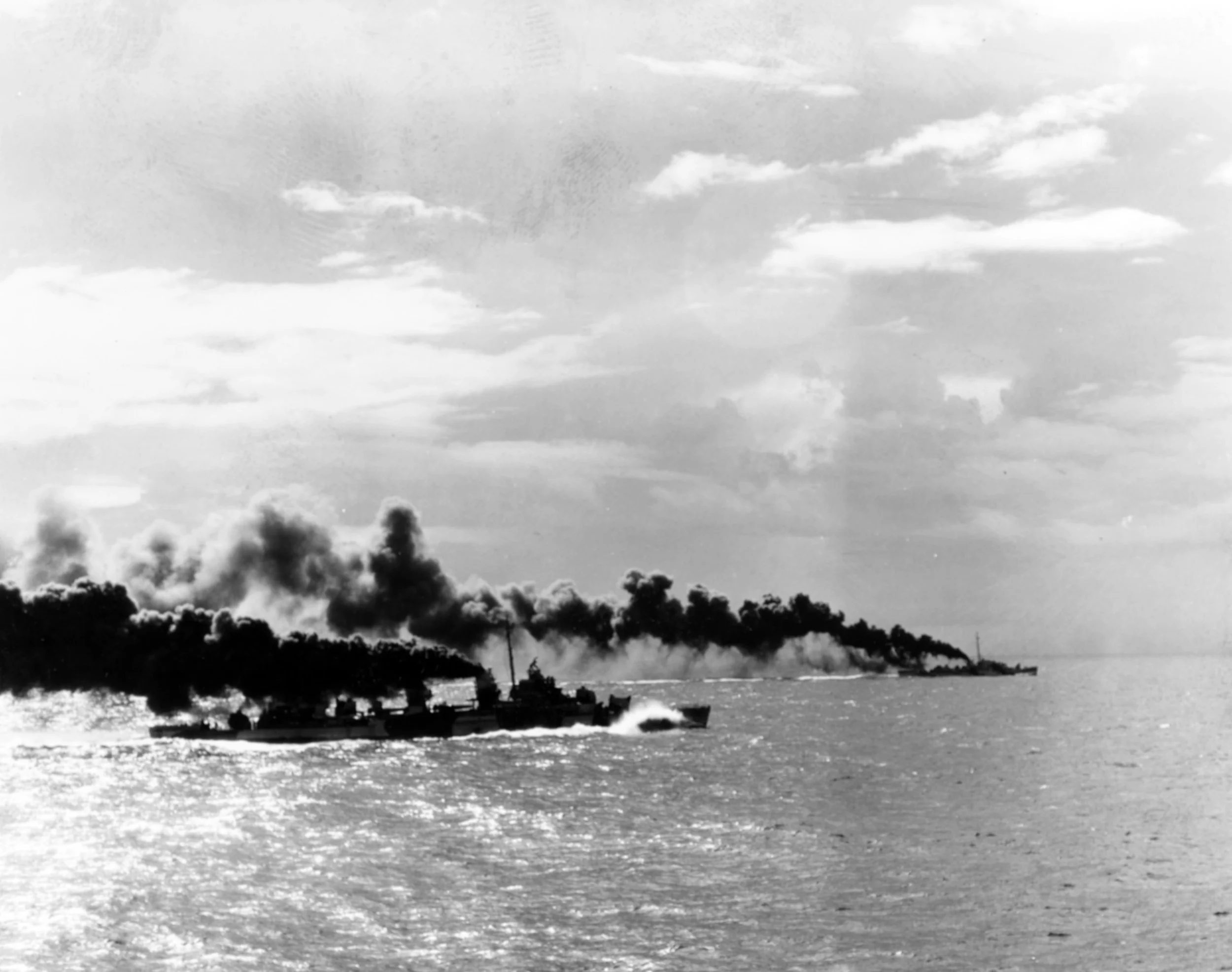
USS Heerman and USS Samuel B. Roberts move to engage the enemy
Along with the destroyers, the smaller destroyer escort USS Samuel B. Roberts also engaged the Center Force, launching a spread of torpedoes at the cruiser Chokai. Attempting to retreat after firing her torpedoes, Roberts spotted the cruiser Chikuma lining up for a broadside on the carriers, and engaged with her own broadside. Joined by the Heerman, the American fire managed to destroy Chikuma’s bridge and set her superstructure alight. Roberts nearly emptied her magazines into the Japanese cruiser, but soon found herself bracketed from the emeny battleships. After a shell from Kongo tore into her after compartments, the valiant destroyer escort slipped beneath the waves.
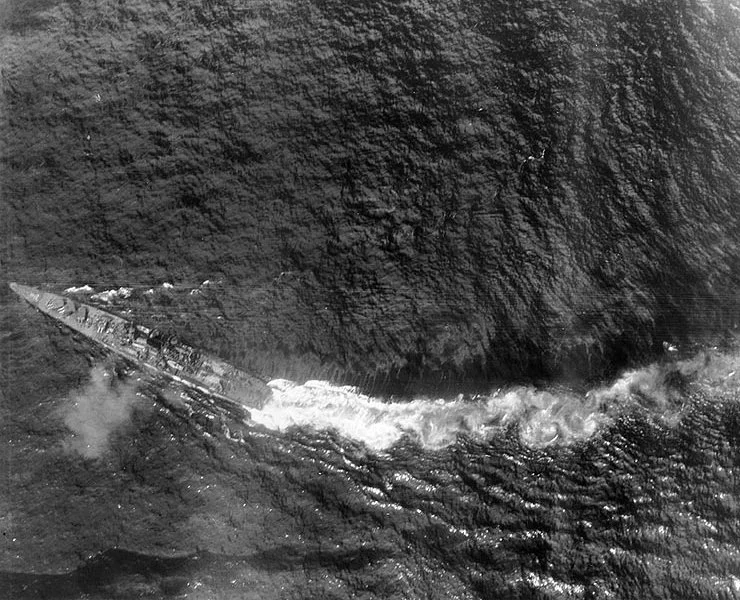
Chikuma maneuvers during the battle with Taffy 3
While the gunnery duels were in progress, the Japanese closed on the retreating escort carriers. The USS Gambier Bay was struck by 18 inch shells from Yamato at close range, capsizing and sinking while two others took heavy damage. The carrier’s air wings, despite being inadequately armed, still offered resistance as well, and in light of the ferocious American resistance Admiral Kurita concluided that Taffy 3 was a screen for a significant force, rather than all that stood in his path. As a result, Kurita chose to disengage at 0920hrs, retreating back toward the north.

USS Kitkun Bay launches Wildcat fighters as shells bracket another escort carrier
Following the withdrawal of Kurita’s force, the Japanese deployed one of their newest and most infamous weapons against the American forces off Samar; the Special Attack Unit. The pilots of these formations flew various aircraft from land bases, slamming them into the American ships in suicide attacks that would come to be known as Kamikazes (Divine Wind - taking inspiration from the storm that destroyed an invading Mongol fleet in the 13th century). Taffy 3 lost another escort carrier, the USS St. Lo, to a kamikaze attack, and two additional escort carriers were damaged.
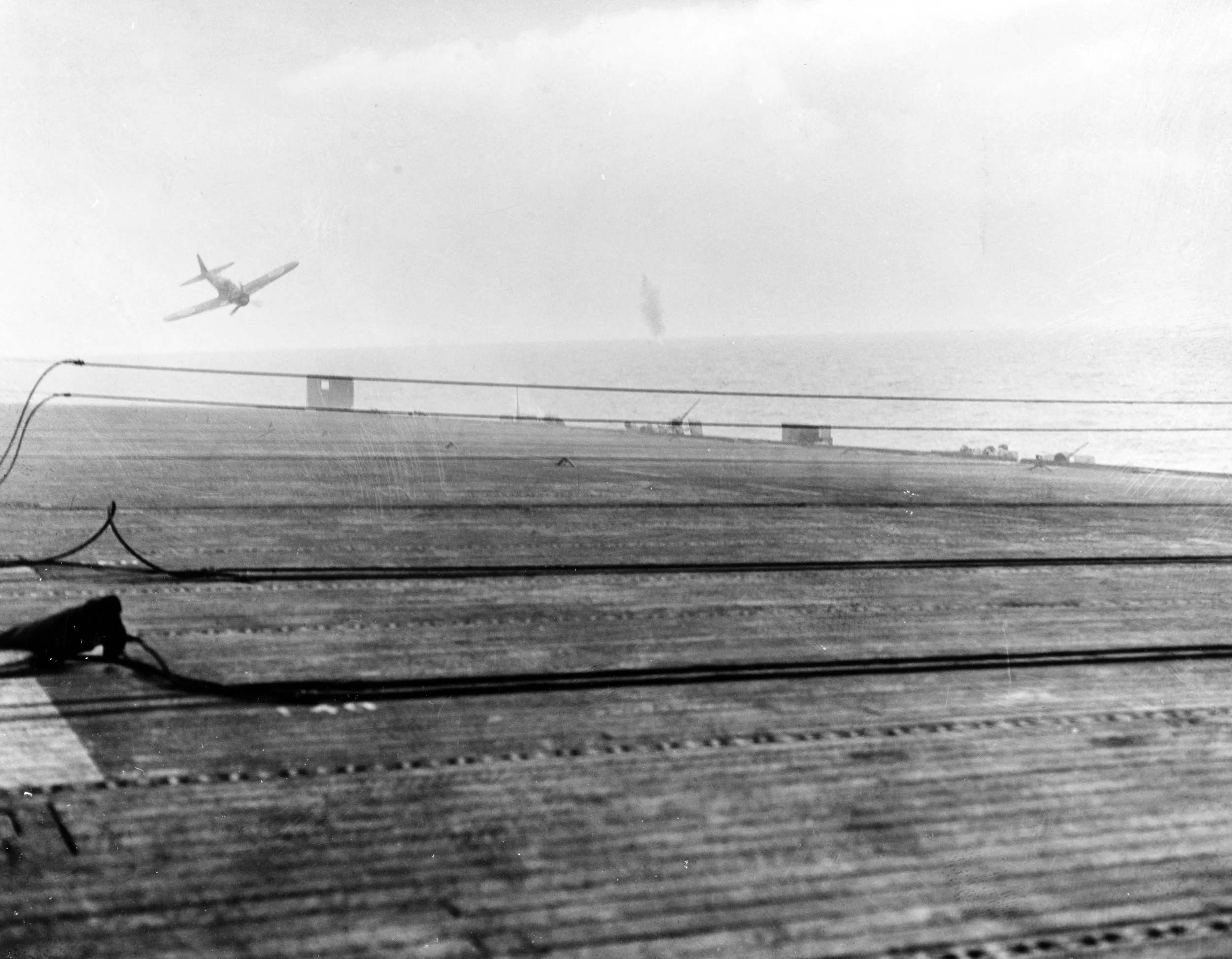
A kamikaze moments before striking the escort carrier USS White Plains
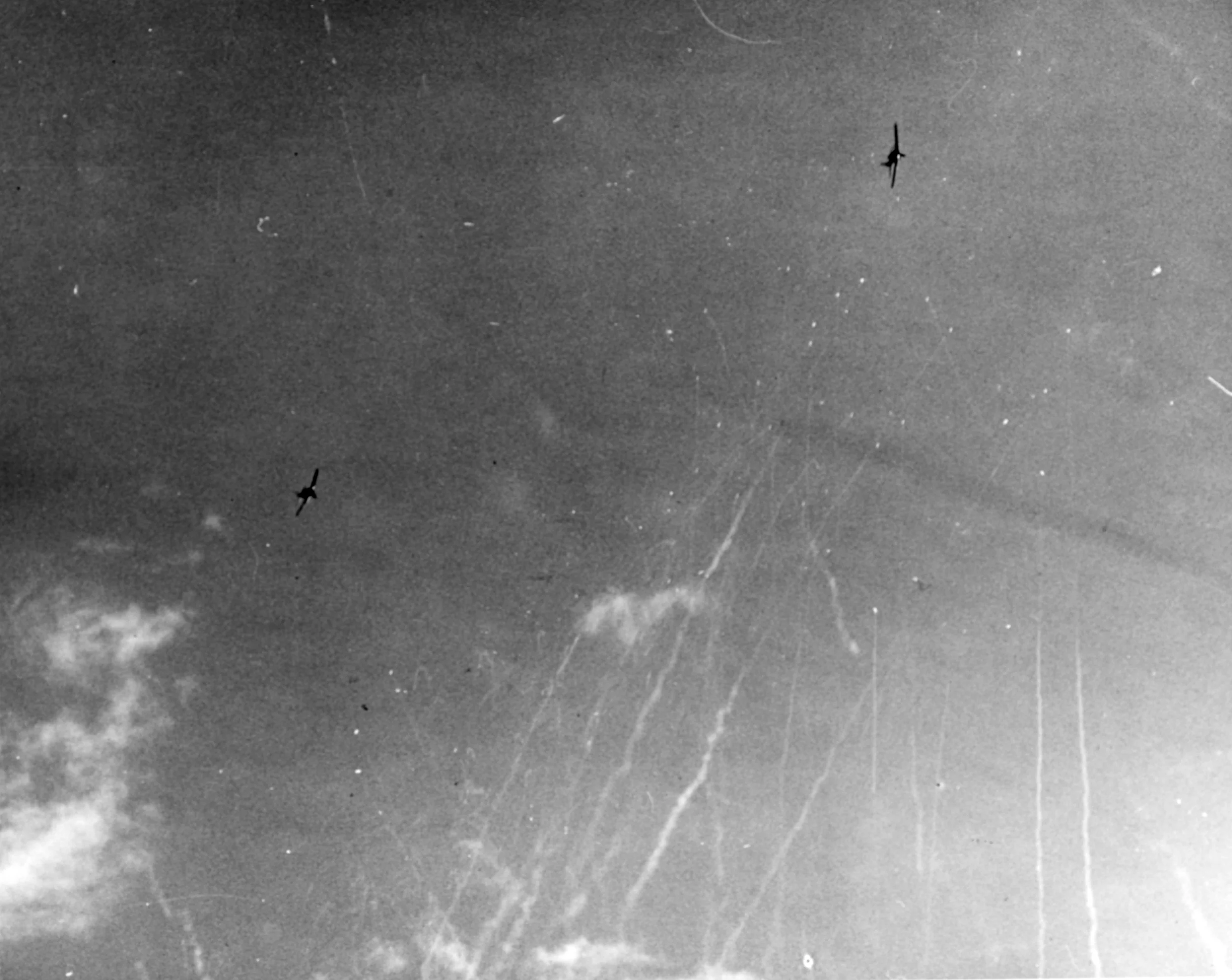
An American F6F Hellcat attempts to intercept a kamikaze Zero
While Taffy 3 battled the Center Force off Samar, Admiral Halsey’s 3rd Fleet was engaging the Japanese carriers of the Northern Force over three hundred miles to the north. With more aircraft on one of his five fleet carriers than the entire Japanese fleet possessed, the engagement was almost as one-sided as Taffy 3’s struggle, and an attempt by the Japanese to attack with what planes were availabe was destroyed without damaging any American ships. In the end, with strikes on both 25 and 26 October, the Americans sunk all three Japanese light carriers as well as the single fleet carrier Zuikaku, the last survivor of the strike force that attacked Pearl Harbor in 1941.
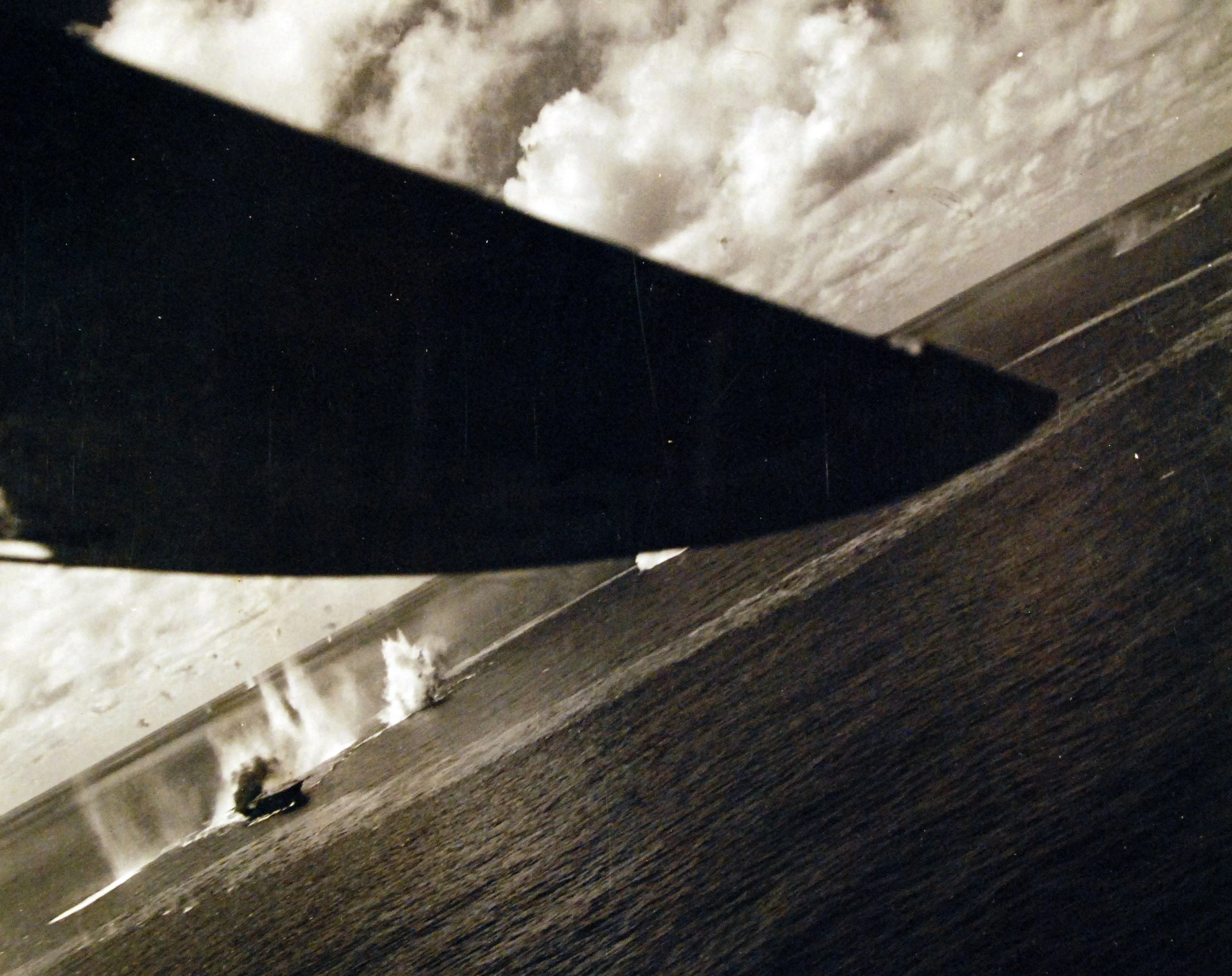
A view from an American plane as the Japanese carrier fleet comes under attack
Despite theses successes, it appeared for a time as though the Center Force would accomplish its objectives while Halsey was chasing the carriers, and a transmission from Pacific Fleet Commander Admiral Nimitz to Halsey: “WHERE IS RPT WHERE IS TASK FORCE THIRTY FOUR RR THE WORLD WONDERS” would go down in infamy. The last three words, intended as padding to confuse Japanese codebreakers, was accidentally left on the message as delivered to Halsey, who interpreted it as a harsh note of sarcasm. Halsey thus took a group of battleships, including his flagship USS New Jersey, and attempted to chase down Kurita’s fleeing Center Force, to no avail.
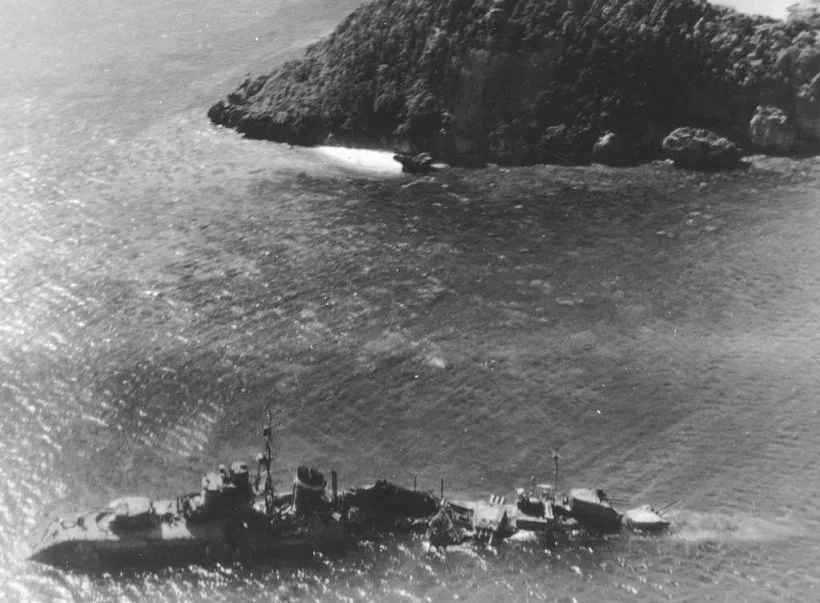
The hulk of the Japanese cruiser Hayashimo sunk in shallow water off the Philippines
Despite this, and the controversy that embroil Halsey in the aftermath, the Battle of Leyte Gulf concluded with a stunning victory for the US Navy. The Imperial Japanese Navy, in their gamble to achieve a decisive victory before the chance was forever lost, had drawn a losing hand. The American invasion force on Leyte had not been seriously disrupted, and the Japanese occupation forces in the archipelago were doomed, while their lines of supply and communication between the Home Islands and the southeast asian territories, including the oilfields in the Dutch East Indies, was effectively cut. To top it off, the losses at Leyte Gulf broke the back of the IJN surface fleet, which would never again be able to pose a significant threat to the American armada bearing down on Japan itself.
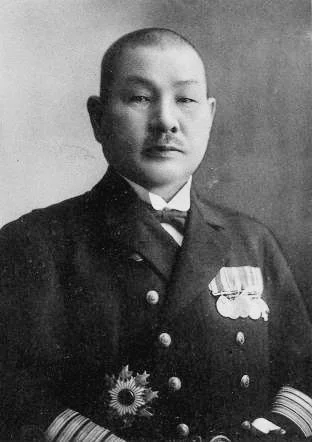
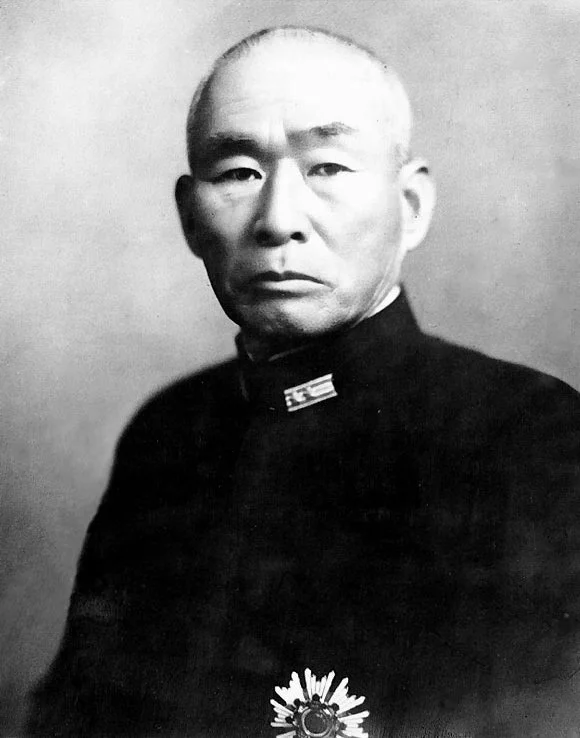
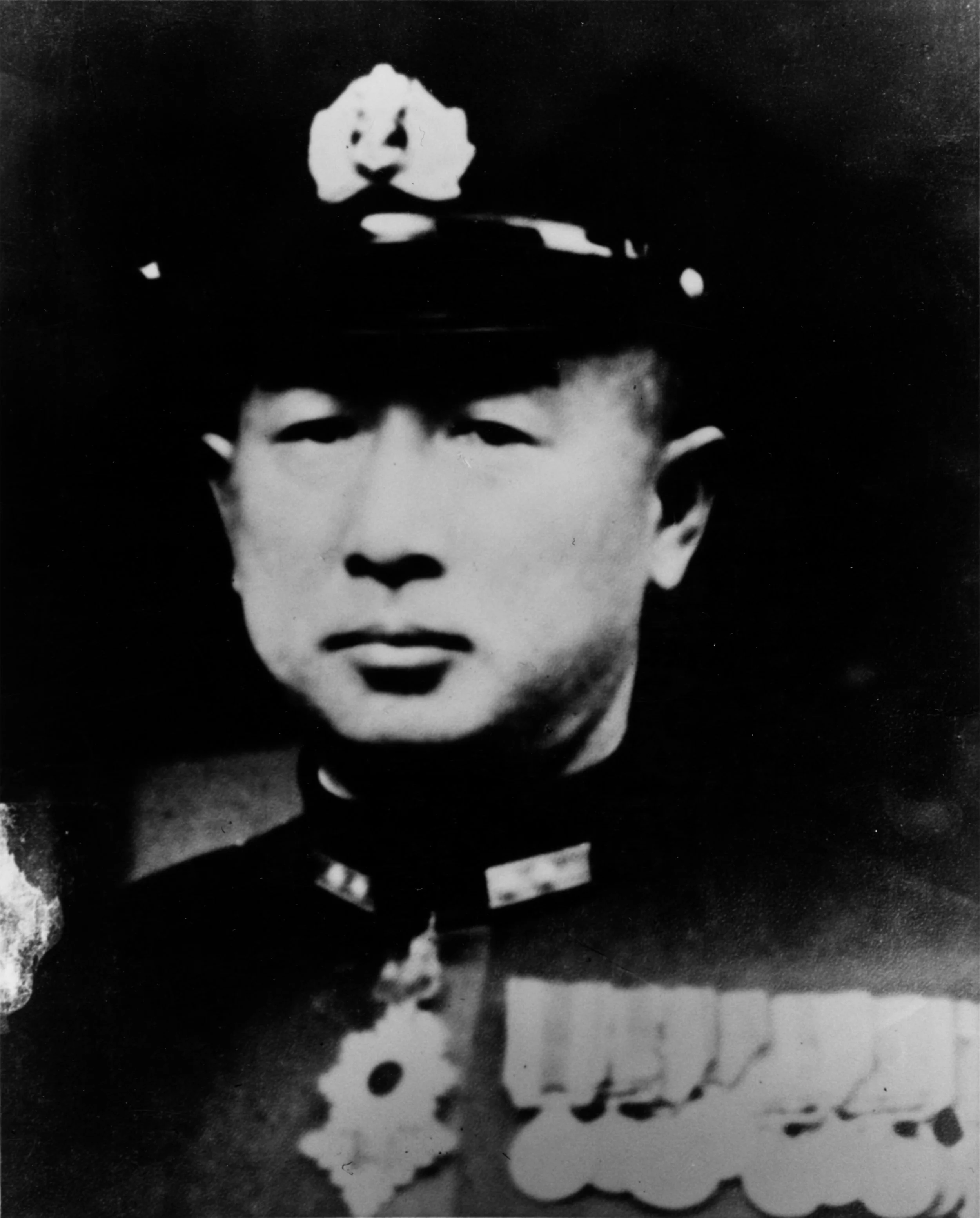
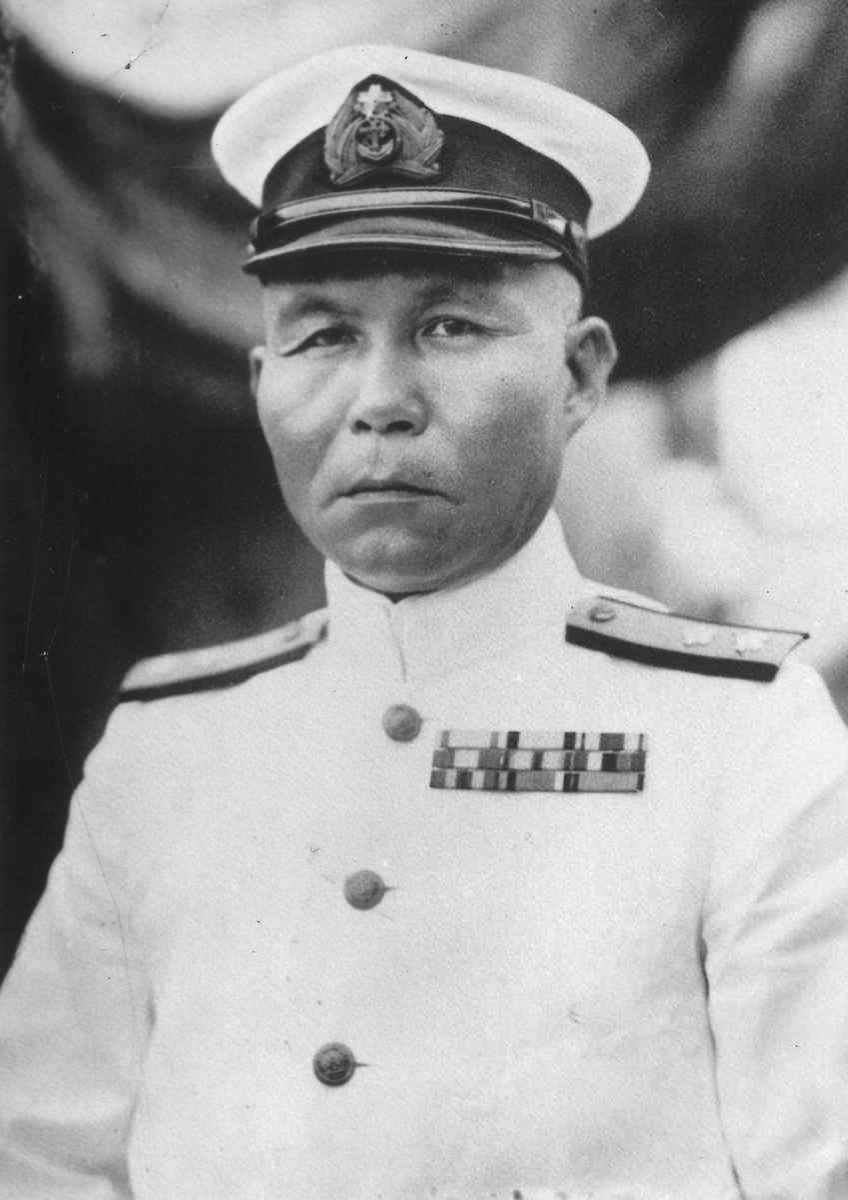
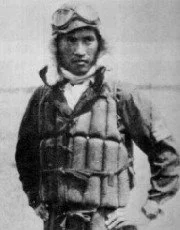
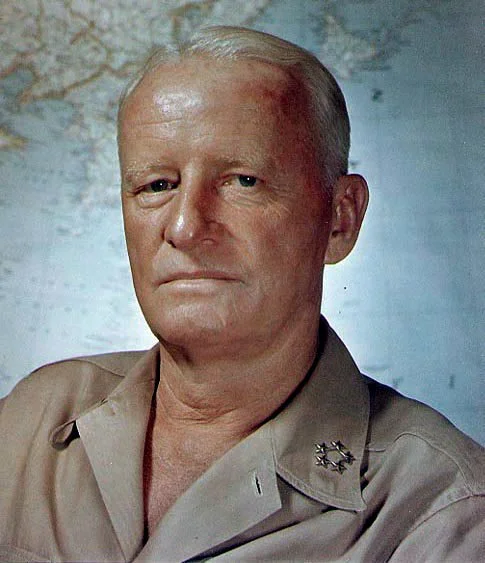
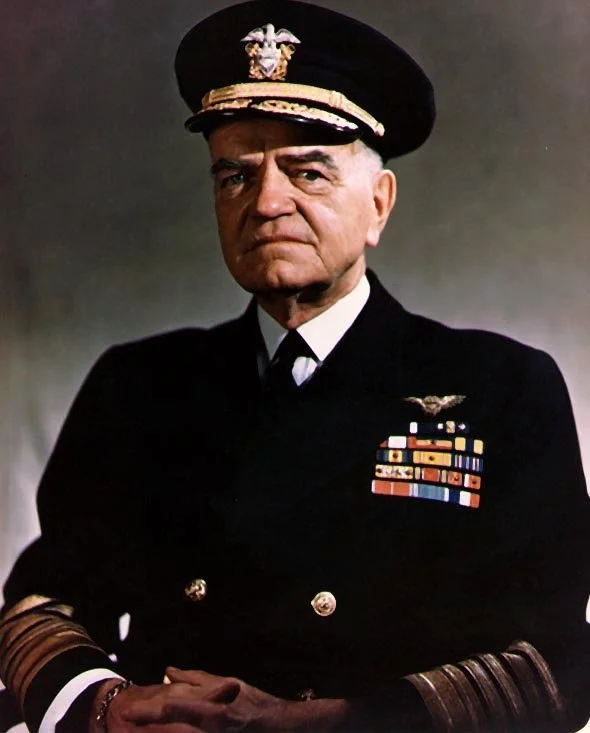
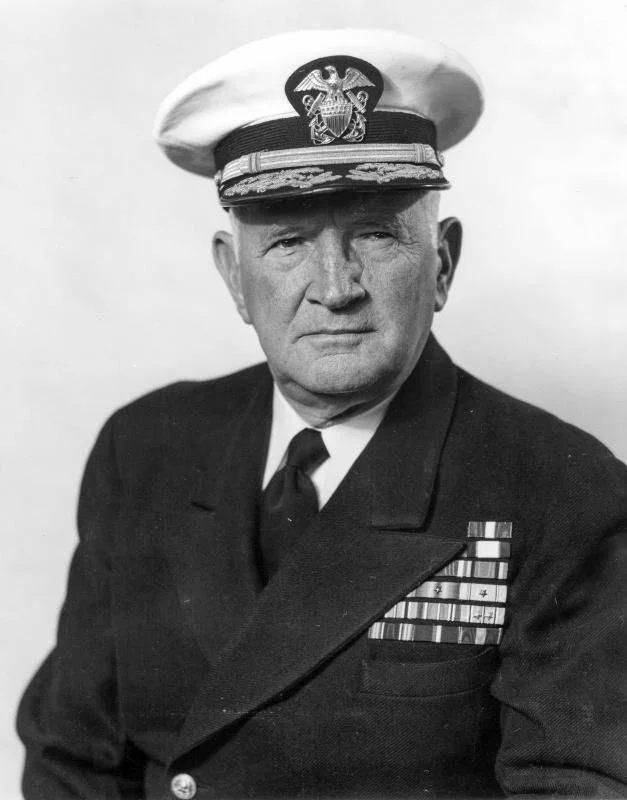
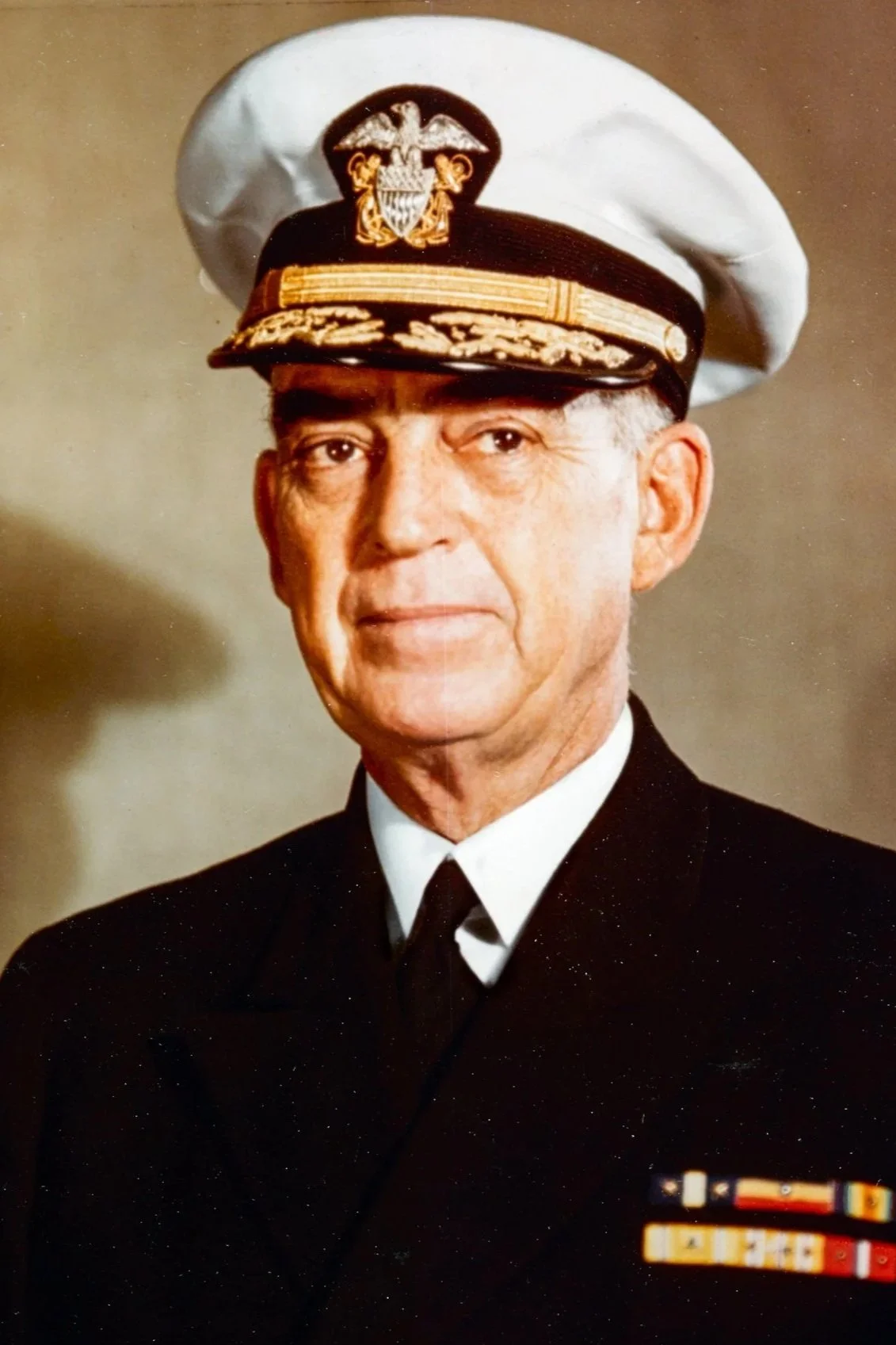
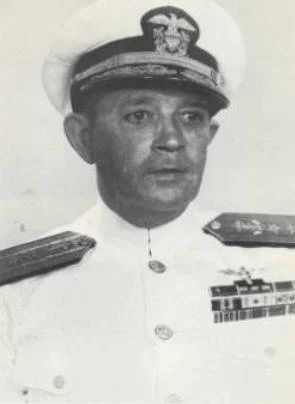
The Commanders