The Collapse of the Western Front
Chapter 47
“The predominant color was white”
April, 1945
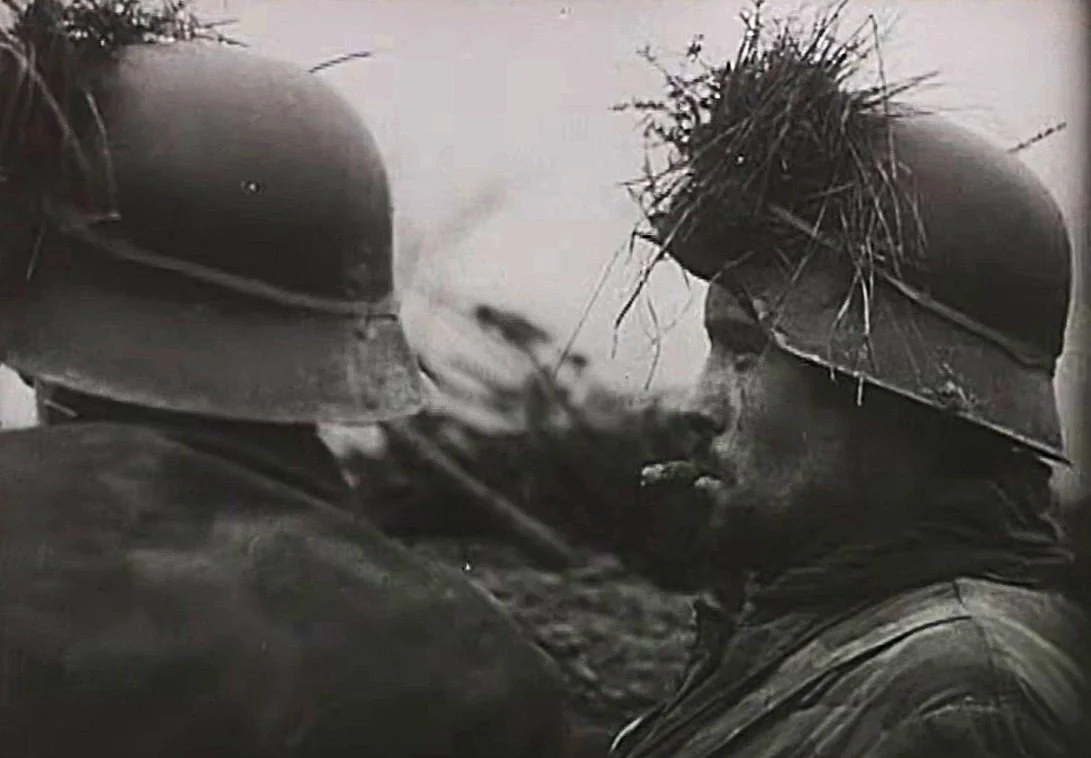
German soldiers in a fighting position on the Western Front
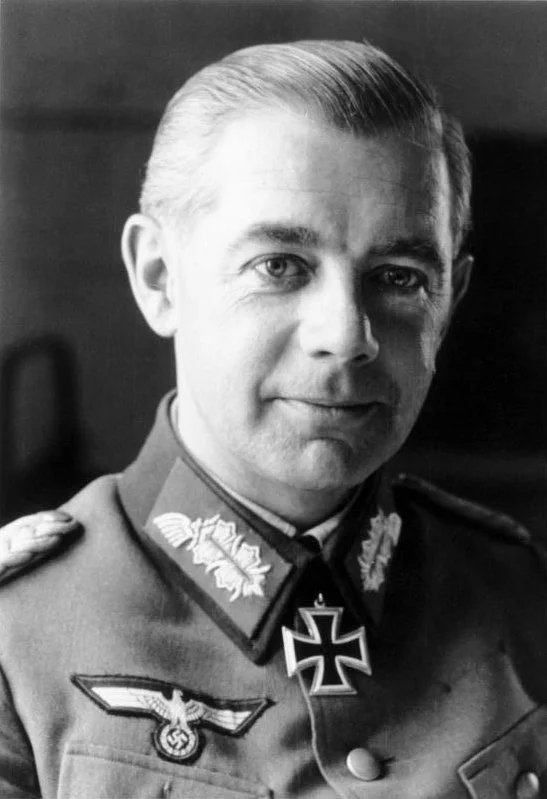
With the capture of Remagen and the success of Operation Plunder the Allies had forced the door into the German heartland, and in its aftermath the struggling Wehrmacht began to implode. Most of the combat effective units still remaining on the Western Front coalesced into a pocket in the industrialized Ruhr Valley, corralled by the Remagen Bridgehead in the south and the Wesel Bridgehead in the north, with Field Marshal Walter Model in command for what would be the last stand of the German armies in the west.
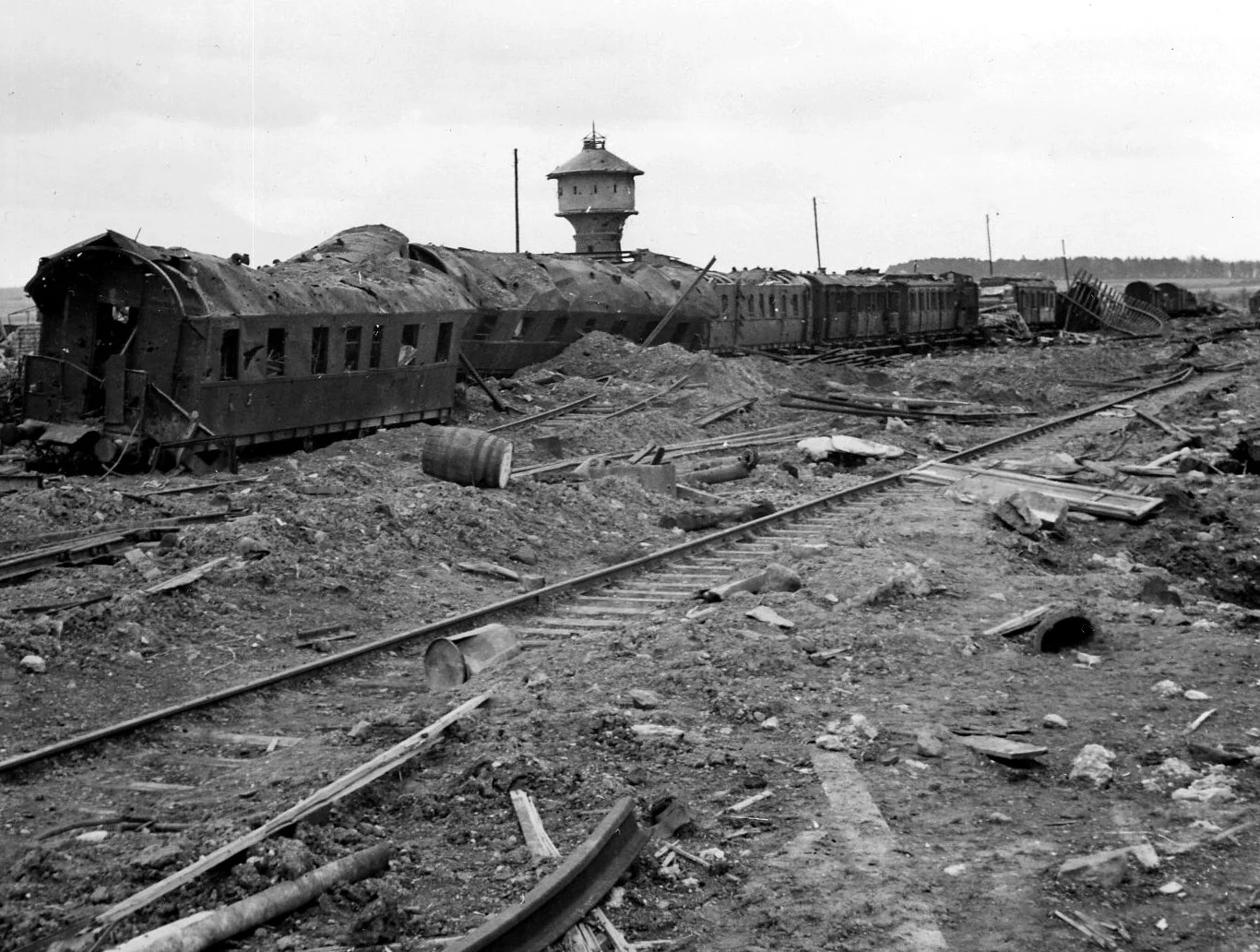
Wrecked German train cars in a devastated railyard.
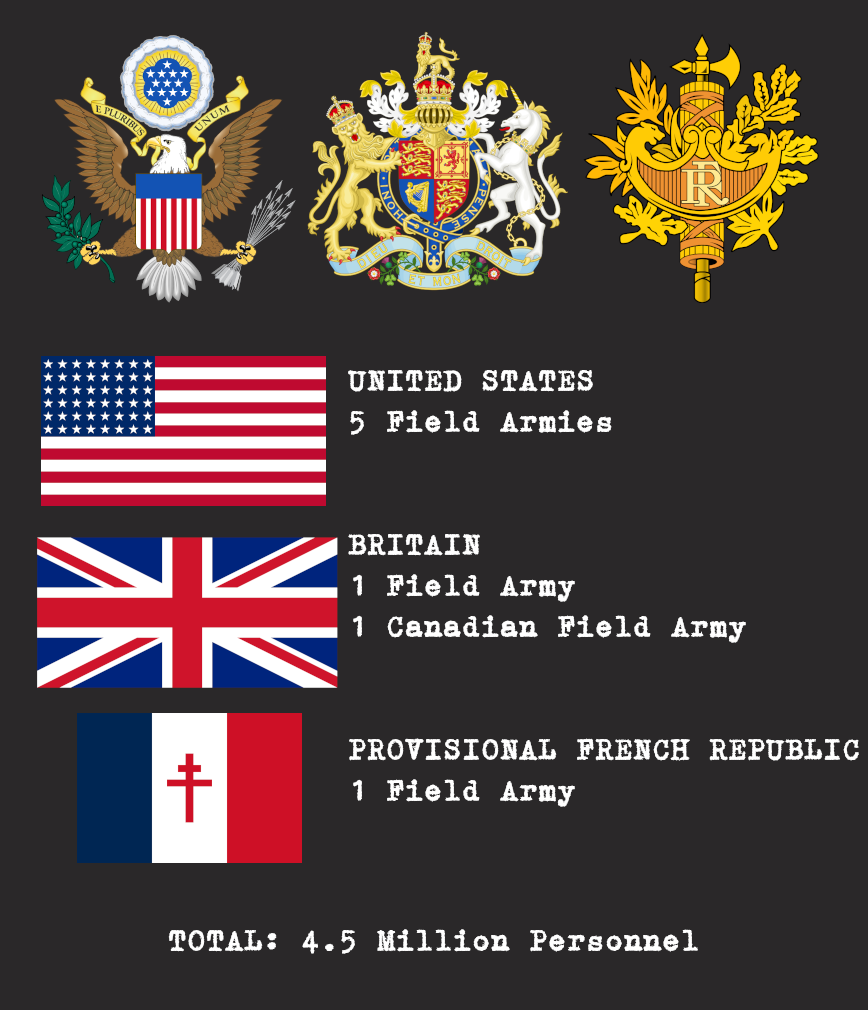
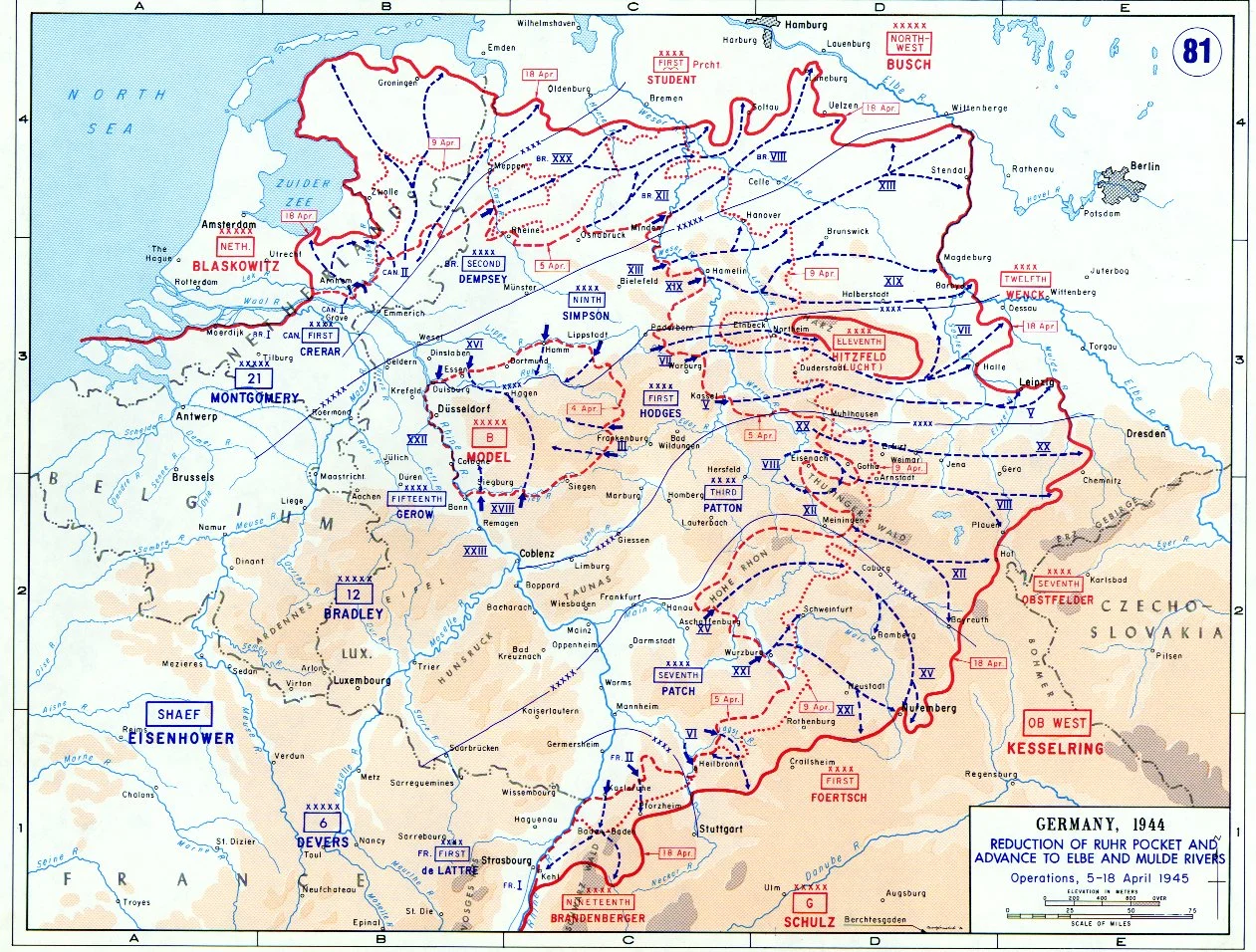
Following the capture of the Ludendorff Bridge Model had attempted to deploy his Heeresgruppe B to contain an expected Allied thrust into the industrial heartland, leading to their envelopment when Montgomery had crossed the river farther north. The US 9th Army, attached to Monty’s 21st Army Group, began to drive southeast from Wesel, while the US 1st Army mirrored the movement in the south, forming a pincer with an aim to envelop the industrial zone at the Ruhr, with Eisenhower concerned about the coming fight in the urban areas within the pocket. These armies met at Lippstadt at the start of April, sealing the Ruhr Pocket with Model’s forces within.
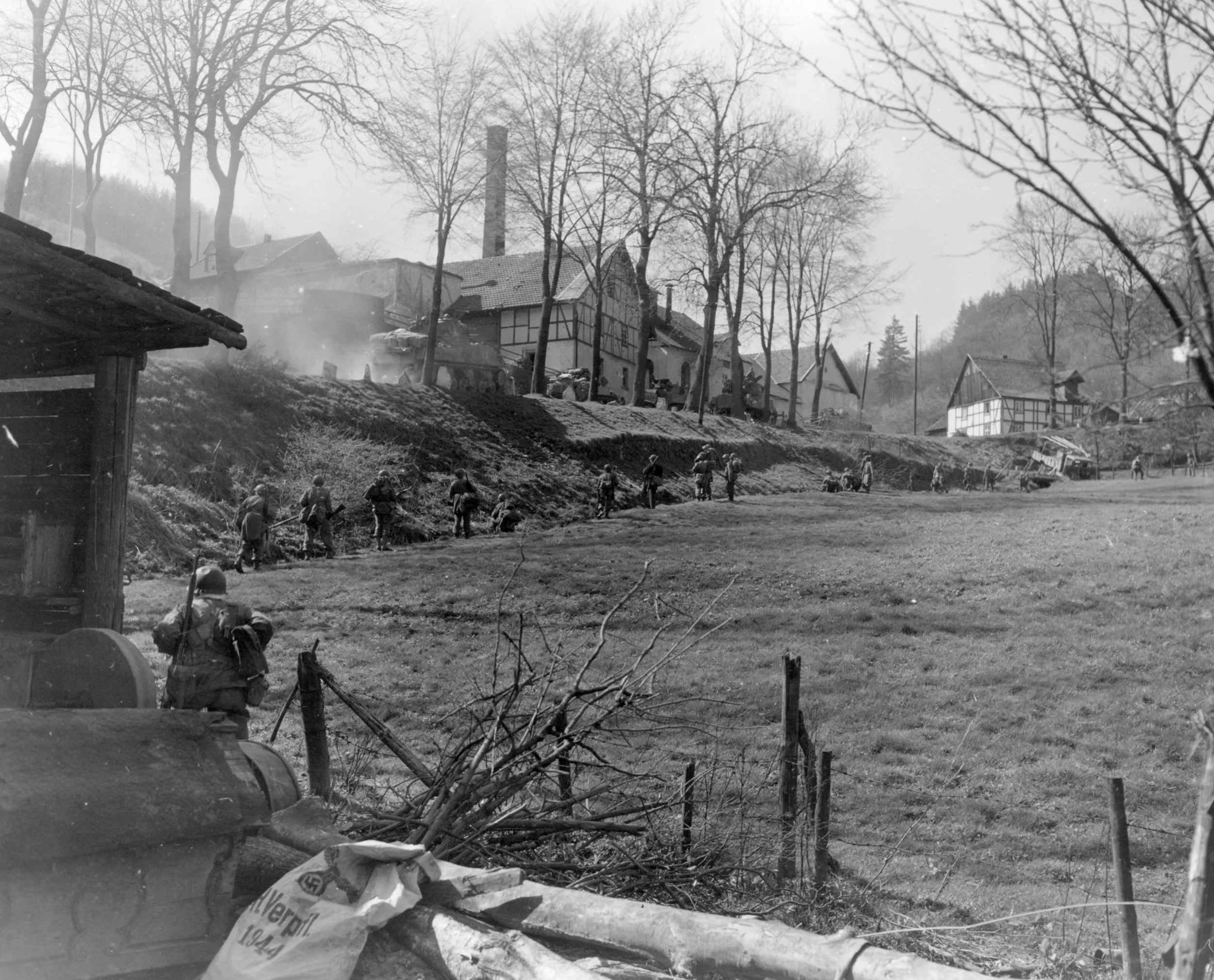
American troops and armor advance into the Ruhr
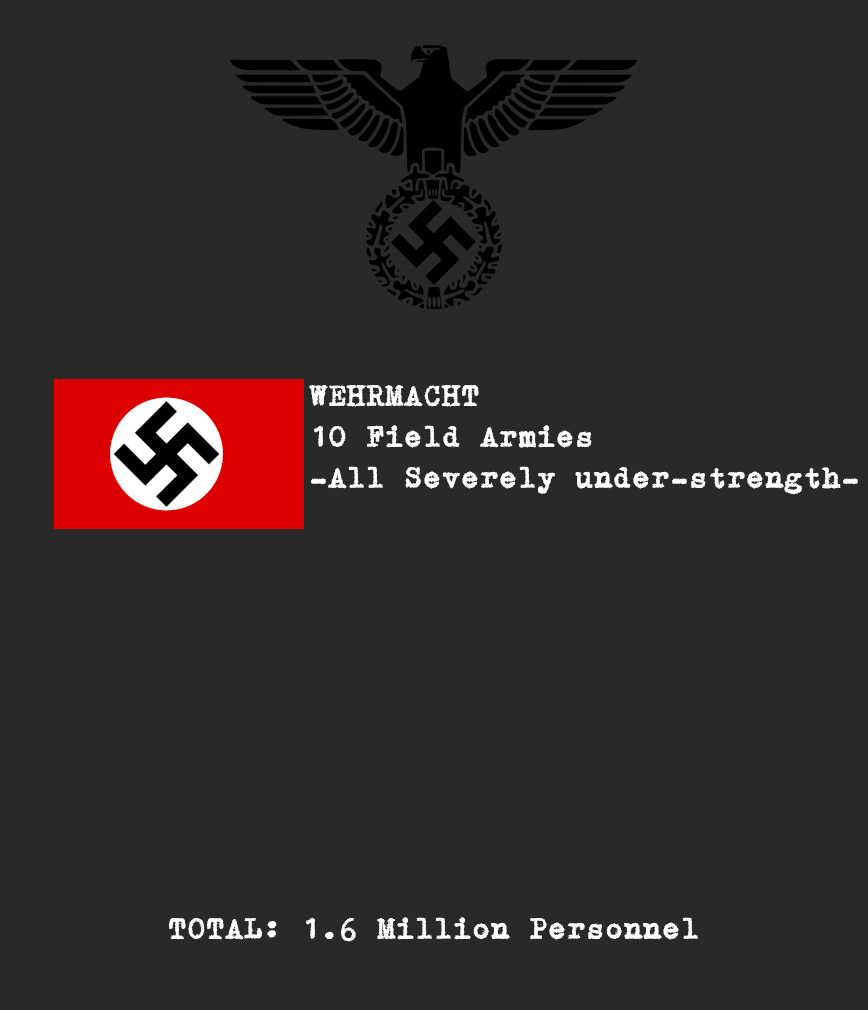
In total, Heeresgruppe B contained remnants of three German field armies, with over 300,000 men between them, including Volkssturm militia units. These forces were deployed to hold lines along canals and rivers in a desperate attempt to hold the line, but the Americans launched an attack from all directions with four full corps just after Easter. In mid April the Americans managed to bisect the pocket, and by the 14th the end was in sight. Organization among Heeresgruppe B began to collapse, and despite the orders of the Nazi authorities to hold the Ruhr Fortress to the end, German soldiers began to surrender en masse. Field Marshal Model ordered the Army Group dissolved on 15 April, with smaller units ordered to make their own attempts at breakout or surrender. Denounced as a traitor by Berlin, Model shot himself in the woods near Duisburg.
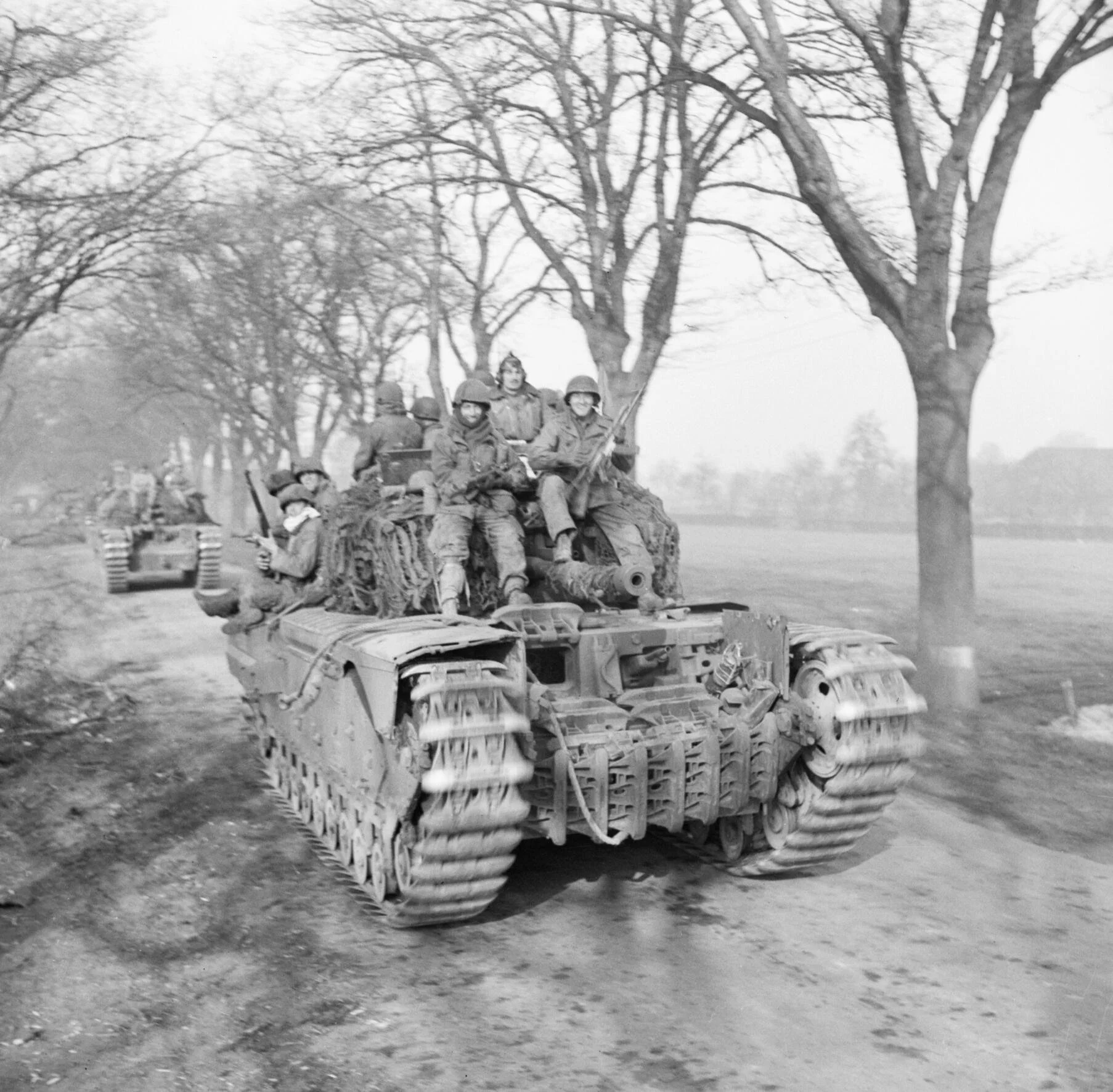
British Churchill tanks drive into Germany
As the Ruhr Pocket was destroyed, the British were driving hard to the northeast, pushing back into the Netherlands and finally liberating the city of Arnhem and pushing toward the North Sea coast. Along with Canadian and Free French troops, they pushed the Germans against the sea, all while a humanitarian crisis in the country worsened as the civilians still under German control faced mass starvation. Allied airlifts of supplies to the civilians were accomplished late in April, and by the end of the month what remained of the German occupation army was isolated.
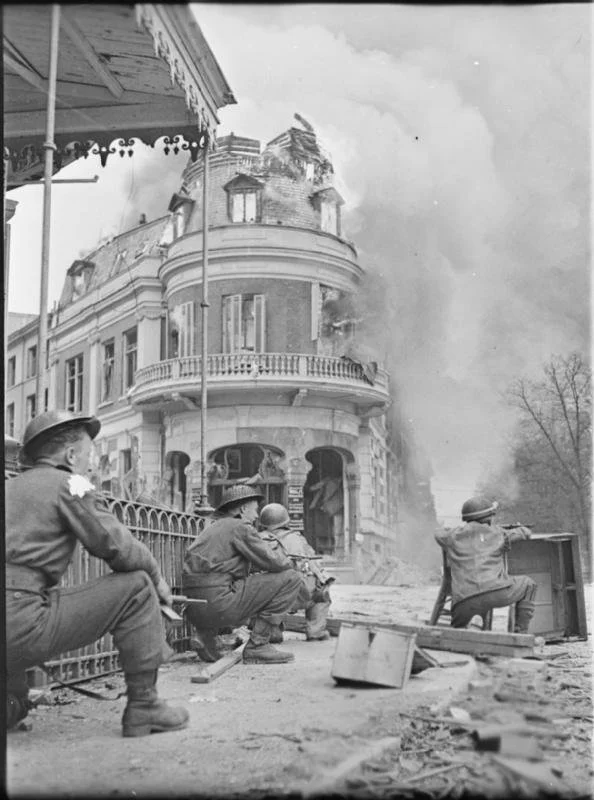
British soldiers fighting in the streets of Arnhem
Just to the south the axis of advance was toward the Danish border, and after a three day struggle for the city of Emmerich, the advance moved on to Bremen. Here the Germans held out until 26 April. On 28 April, Montgomery’s forces had reached the suburbs of Hamburg along the Elbe. Fighting the remnants of General Kurt Student’s 1st Airborne Army along with local police, anti-aircraft units and the Kriegsmarine garrison, the British engaged in sporadic fighting as they pushed into the city center, and on 1 May it’s garrison surrendered.
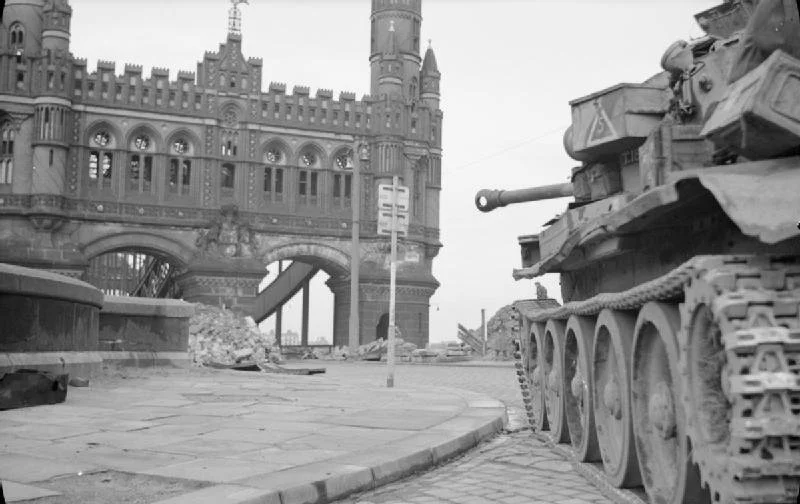
A British tank approaches a bridge in Hamburg
For the Americans, the strategic priority for the Invasion of Germany was clear: a feared Nazi “Alpine Redoubt”, where Hitler and his minions could hold out indefinitely. Oft spoken of in German propaganda, the very real fear was a factor in prompting Eisenhower to redirect the main thrust of the US forces into Bavaria and Austria to preempt the plan, with the 12th Army Group driving southeast. The US 9th Army drove straight east on Magdeburg, with the 2nd Armored Division reaching the Elbe on 11 April after a mad dash, followed by the “Rag Tag Circus” of the 83rd Infantry, which had used a menagerie of captured German vehicles to keep up with the armor. The 83rd bridged the Elbe at Barby and Breitenhagen, but despite their desire to dash to Berlin (only fifty miles distant) Eisenhower had made up his mind: Berlin would fall to the Soviets.
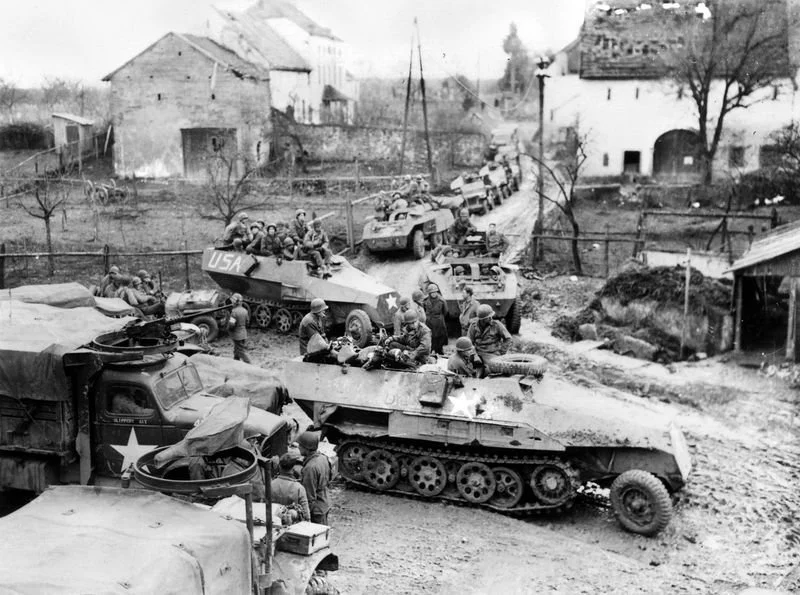
An American column making use of captured German armor
Pushing south, Patton’s 3rd Army had located German gold reserves and other treasurers concealed in salt mines, and was enveloping and destroying whatever pockets of German resistance still held out. German troops in the Harz Mountains were overwhelmed quickly, and the city of Nuremburg, site of the Nazi’s grandiose rallies in better times, was besieged on 16 April, falling to the Americans on 20 April after heavy fighting. Munich, the home city of the Nazi Party, fell on 30 April after sporadic fighting.
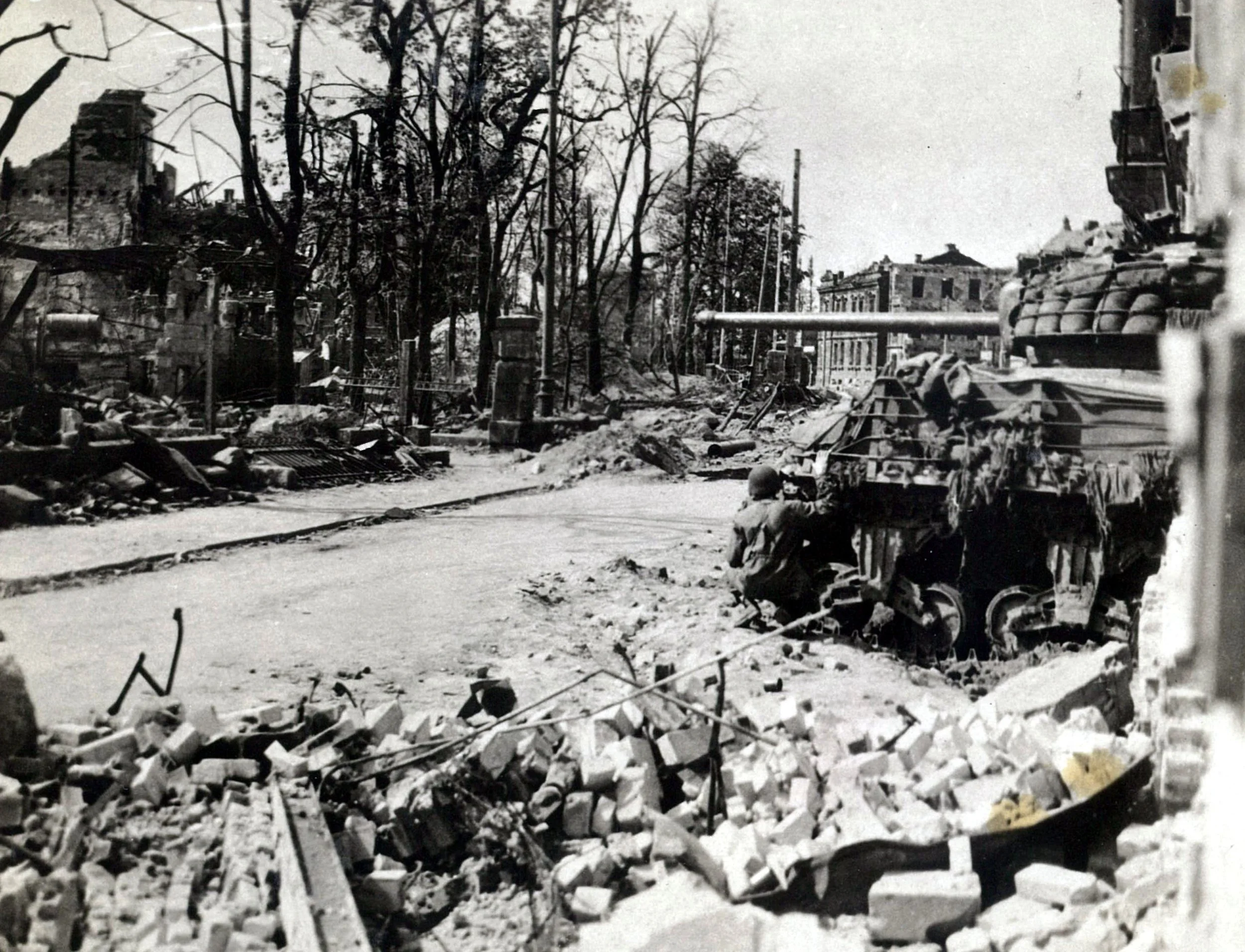
Americans fighting on the streets of Nuremburg
Following the crossing of the Rhine the collapse of the Wehrmacht on the Western Front was swift, with major resistance effectively ceased by the end of April. The Third Reich was being eviscerated, and all that remained was for the coup de gras to be dealt, and Stalin was poised on the Oder to deliver the killing blow. But while the Allies marched rapidly toward victory. something else was uncovered that shocked even hardened veterans of the most brutal campaigns of the war. Deprived of anywhere to retreat too, the darkest chapter of National Socialism was fully exposed to the world as the Allies destroyed the Reich.
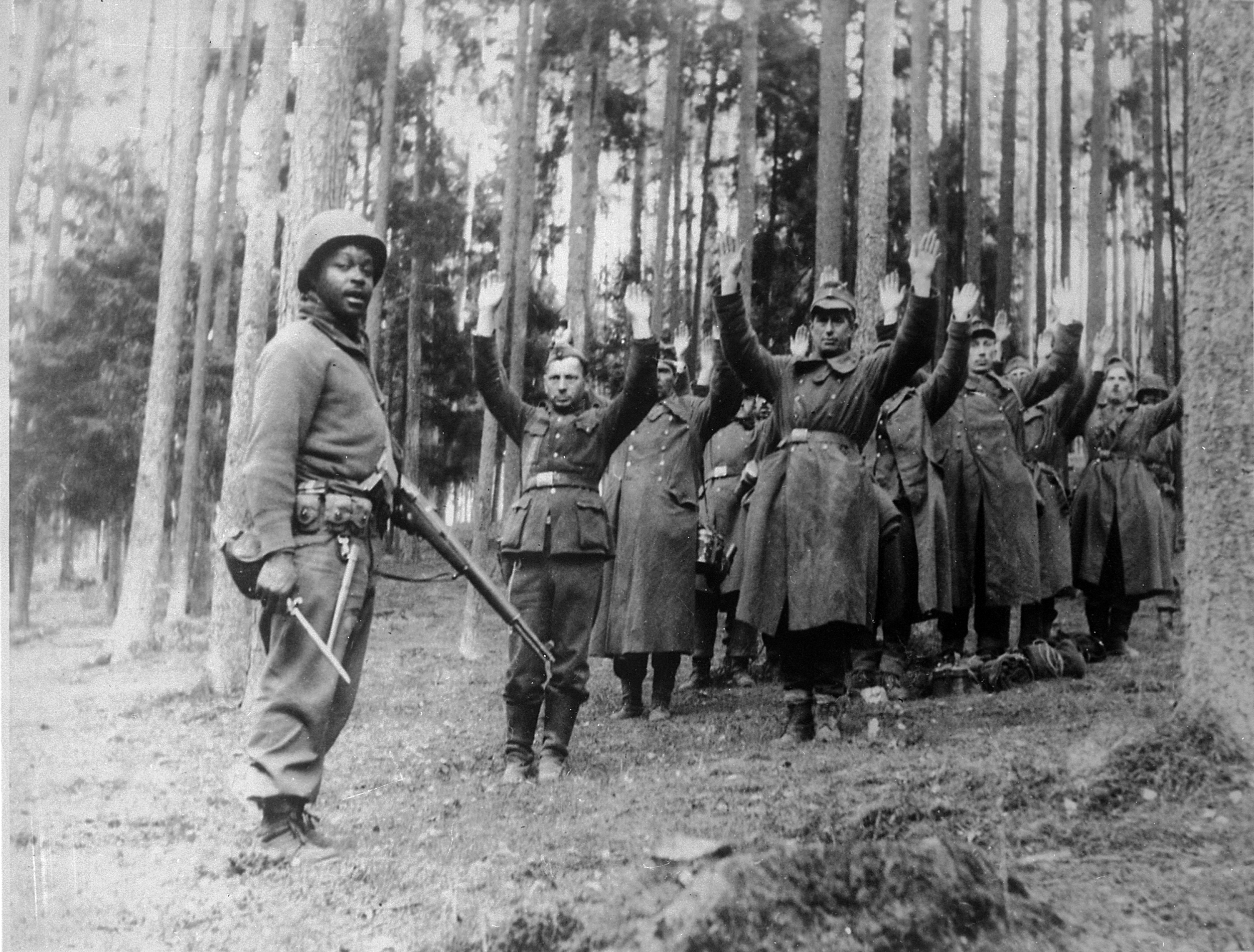
An American soldier guards German prisoners in Germany
The Commanders