Monday June 26
Overnight within his perimeter, Major Reno had begun to move about, issuing orders to fortify further, and consuming whiskey from a keg brought up with the pack train. In the valley, fires could be seen while drums were audible as Sitting Bull and his tribes celebrated the crushing victory they had achieved, mixed with the terrible wails of wives, mothers and daughters morning their slain family members. Occasional gunfire could be heard, and at one point a bugle call was heard in the distance, and the desperate troopers quickly answered, only to discover that the originator had been an indian with a captured instrument¹.
Reno overnight spoke to Captain Benteen, raising the idea of breaking out and riding hard for the Powder River Depot. The wounded would have to be left to the mercy of the Sioux. No doubt recalling what had occurred at the Washita, Benteen flatly refused. The idea was thus dropped, although rumors of it circulated, causing much distress to the wounded in the field hospital.
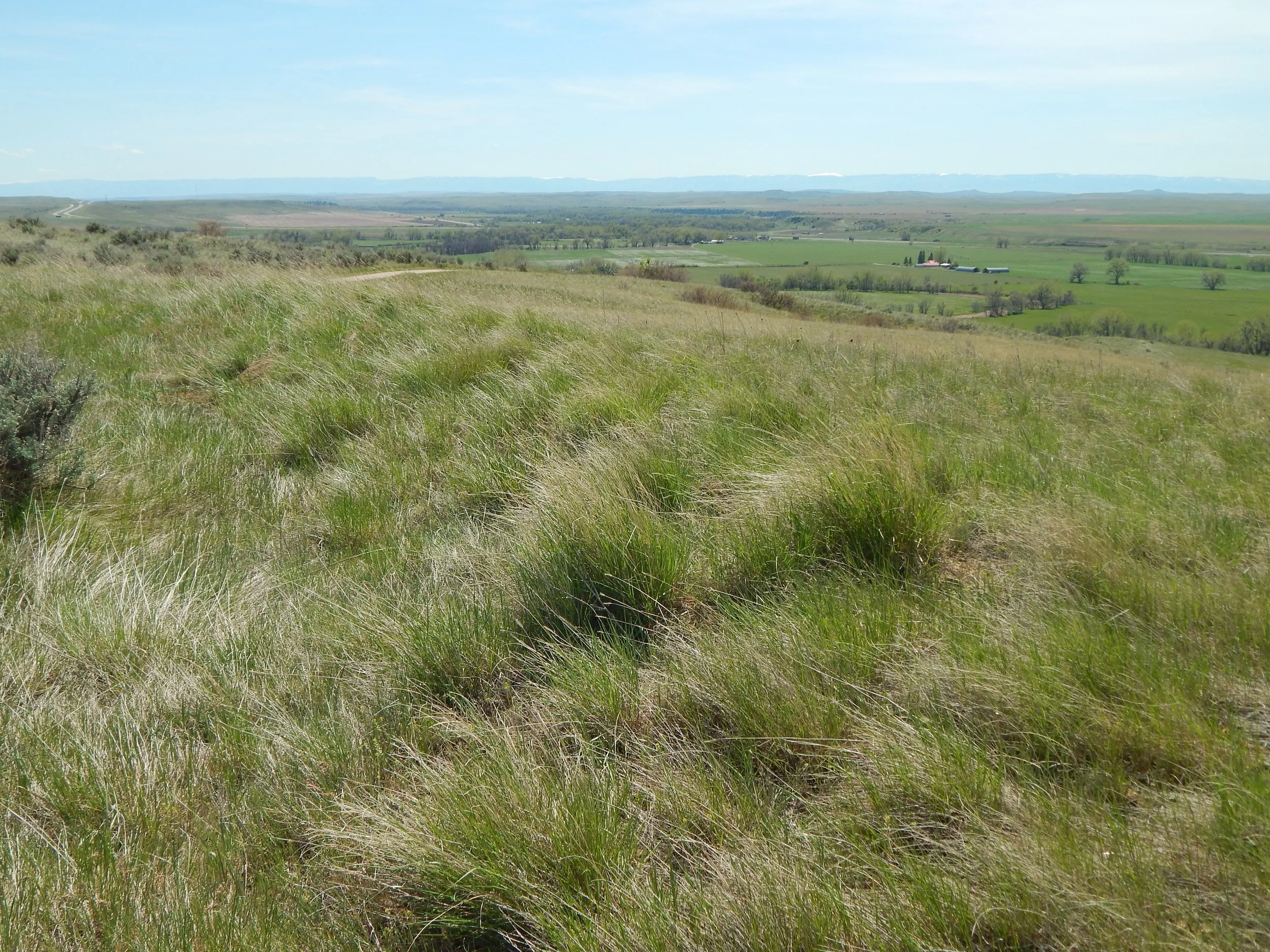
The view from Reno’s perimeter
After the bugler played reveille to show the enemy the force was still organized, the day’s fighting began two shots, quickly escalating into a crescendo of battle along the perimeter. The exhausted Benteen attempted to catch some sleep, only to receive a bullet through the heel of his boot, although he was not wounded. Informed that the enemy was closing to almost hand to hand range with the H Company position under the command of Lt. Francis Gibson, Benteen quickly went to their support. Seeing enemy warriors massing below, Benteen led four companies in a charge to break their line, which was successful, Benteen returning to the perimeter with his men immediately afterward.
By this point, with the late June sun beating down on their position, thirst was becoming as much a problem as the warriors. Benteen organized a volunteer detachment of about twenty men to descend a wooded draw to the river to draw water, while others above covered them with accurate rifle fire. Despite heavy resistance and a few punctured containers, only one man, Sgt. Mike Madden, was wounded, left on the field with a shattered leg until more men were able to dash out and retrieve him.
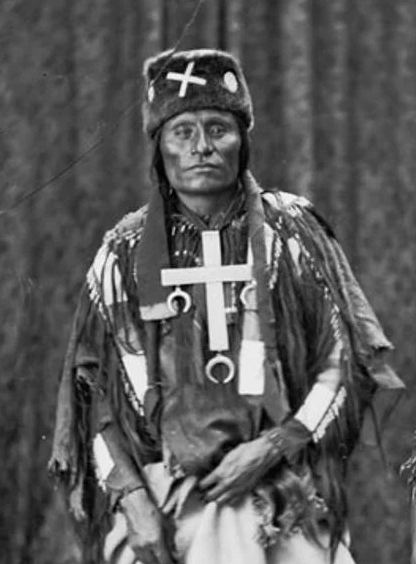
Little Wolf
In the village the Cheyenne Chief Little Wolf had just arrived with his band with startling news: the soldiers who had attacked them were not the return of Crook’s force from Wyoming. This was corroborated as the remains of the fallen scouts were identified as Arikaras from the Dakota Territory. Thus came the realization that the enemy defeated here was Long Hair Custer rather than Grey Wolf Crook, and that there were far more government troops active in the area than anticipated. Shortly afterward, scouts reported that No Hip Bone (Gibbon) was marching toward them from the north, and despite the desire of the young warriors to stand and fight once again, the Chiefs knew that they would likely not withstand another assault. The camp began to move, and the grass was set alight to cover the movement².
As the water detail brought their precious cargo up it became apparent that the enemy was slacking the pressure. After a brief volley at 1400hrs, the firing had ceased along Reno’s perimeter by 1500hrs, and smoke could be seen rising from the grassfires. At 1900hrs the troopers began to see the great mass of the camp, estimated to be as many as 7,000³ people, began to move south toward the Bighorn Mountains. The last warriors broke off at dusk and joined their fellows, and as the troopers cautiously led their parched horses to the river it became clear the Battle of the Little Bighorn was over.
Custer remained unaccounted for, and it was still believed that he was holding position to the north, or had linked up with Terry to the north. The Montana Column was indeed moving toward them, and had encountered their first sign of trouble, as they followed a trail that led to a horse and equipment that had originally belonged to Crow scouts assigned to Custer’s command. Shortly afterward, a small group of three indians was sighted, and after confirming they were friendly, they relayed news to the scouts under Lt. Bradley: Custer’s command had been destroyed at the Little Bighorn the previous day.
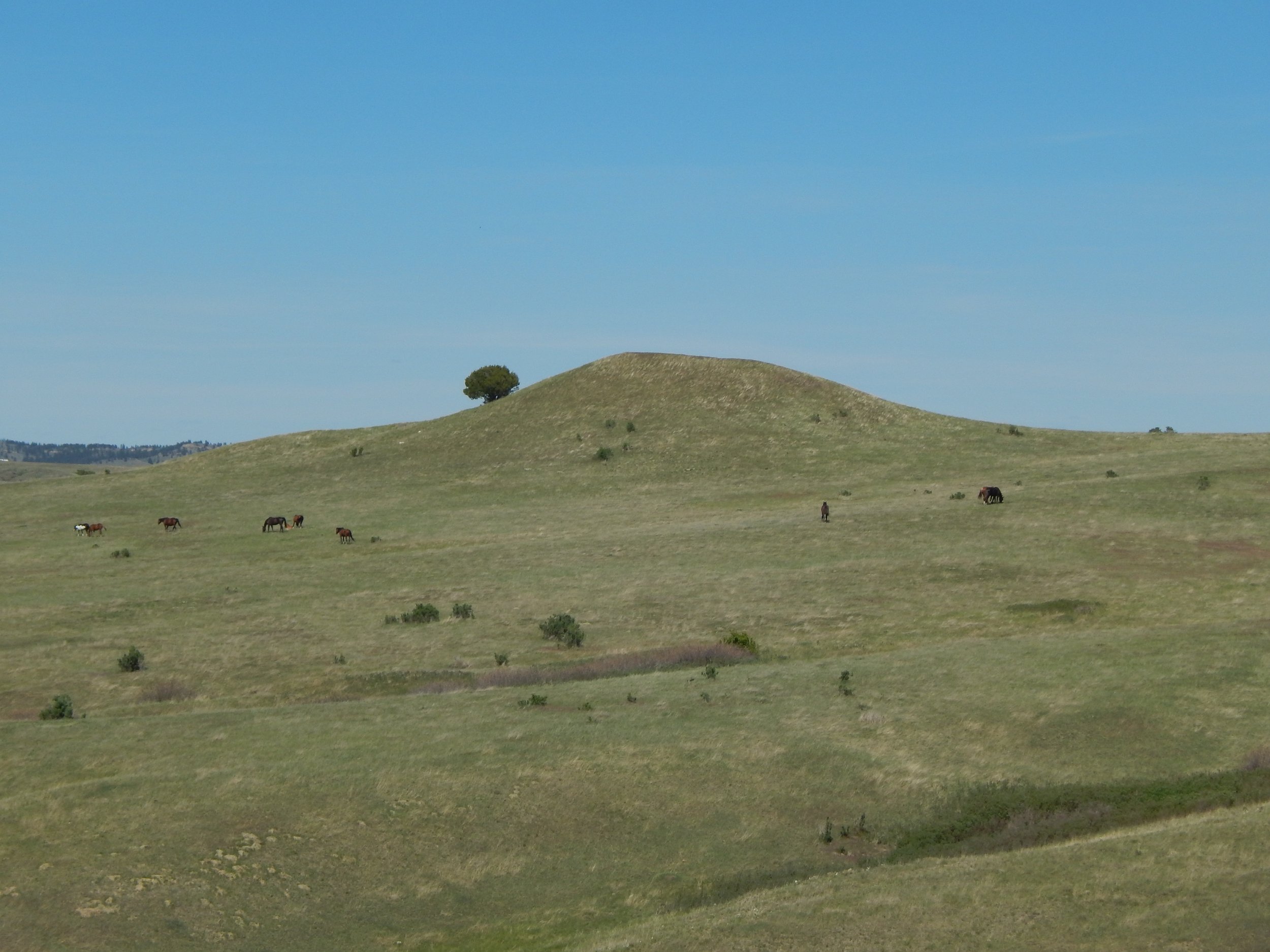
Horses graze at the Little Bighorn Battlefield
Bradley reported at once to General Terry, but Gibbon and other officers scoffed at the possibility of such disaster. It was assumed that the three Crows were covering for their own desertion, and the the column of smoke could only be the result of a victorious Custer burning the enemy village. Terry, for his part, kept quiet. He ordered the column to resume march, and scouts were sent down along the Little Bighorn to make contact with Custer. These returned in the later afternoon, reporting the path blocked by a large number of hostiles. Bradley moved up, and his men sighted enemy warriors but also a column of uniformed cavalry with guidons. When they attempted contact, the “troopers” opened fire, revealing themselves to be Sioux in captured outfits. Even still, some were indignant, thinking that they had been shot at by Custer’s scouts. As camp was made, a sense of great foreboding permeated the ranks, filled with trepidation as to what the next day would bring.
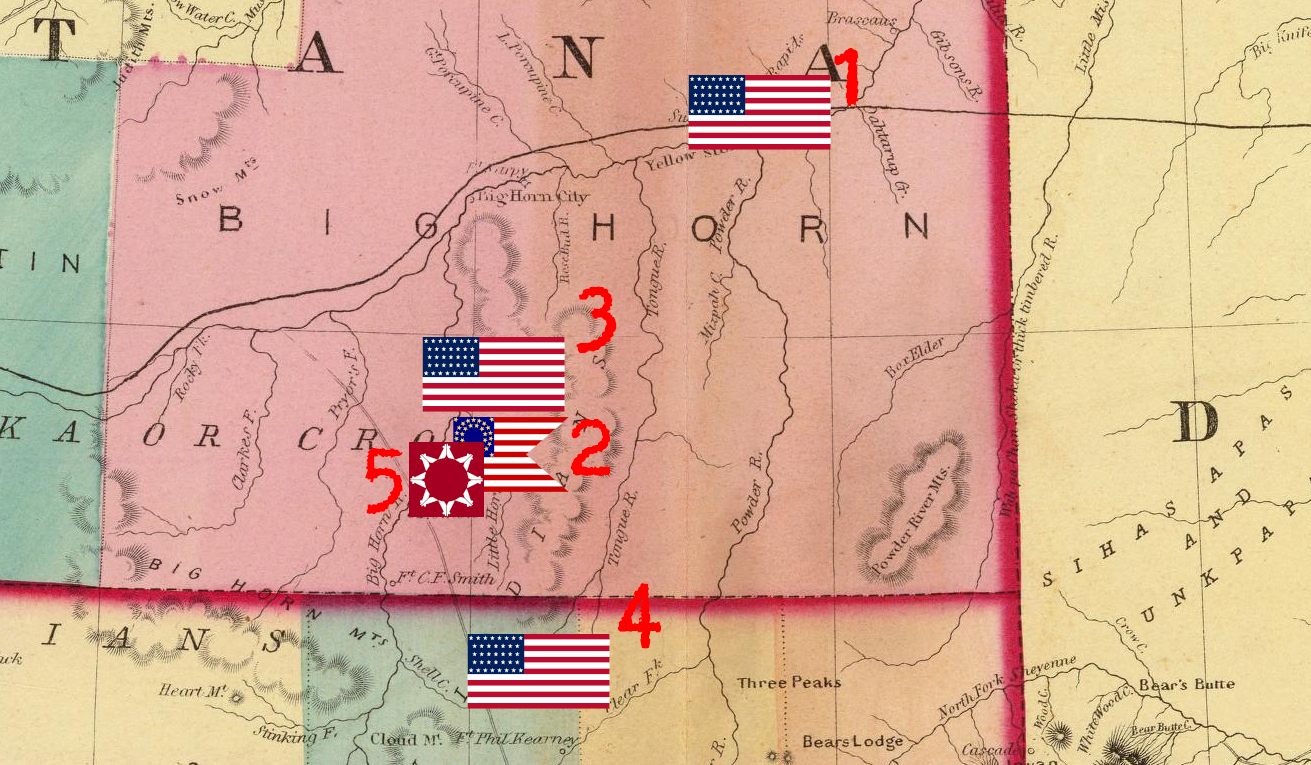
1. Powder River Depot
2. Little Bighorn Battlefield - 7th Cavalry - RENO
3. Montana Column - GIBBON - Little Bighorn River
4. Wyoming Column - CROOK - Goose Creek
5. Sioux Encampment - SITTING BULL - Little Bighorn River
-
Donovan, p.292
Robinson, p.204
Donovan, p.297