September, 2026
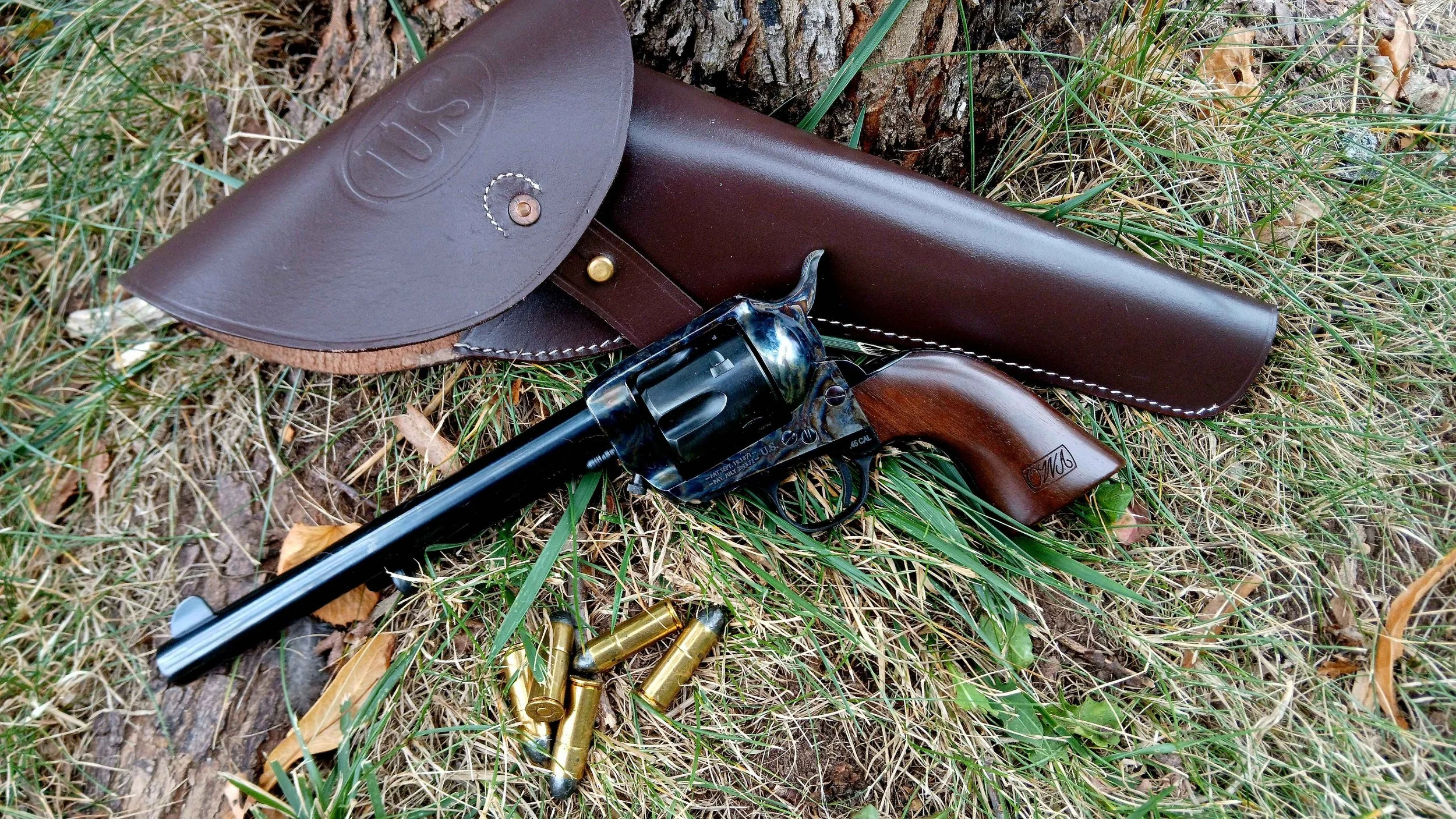
Colt Model 1873
United States of America
Indian Wars
Replica Made by Pietta
.45 Colt
Categories
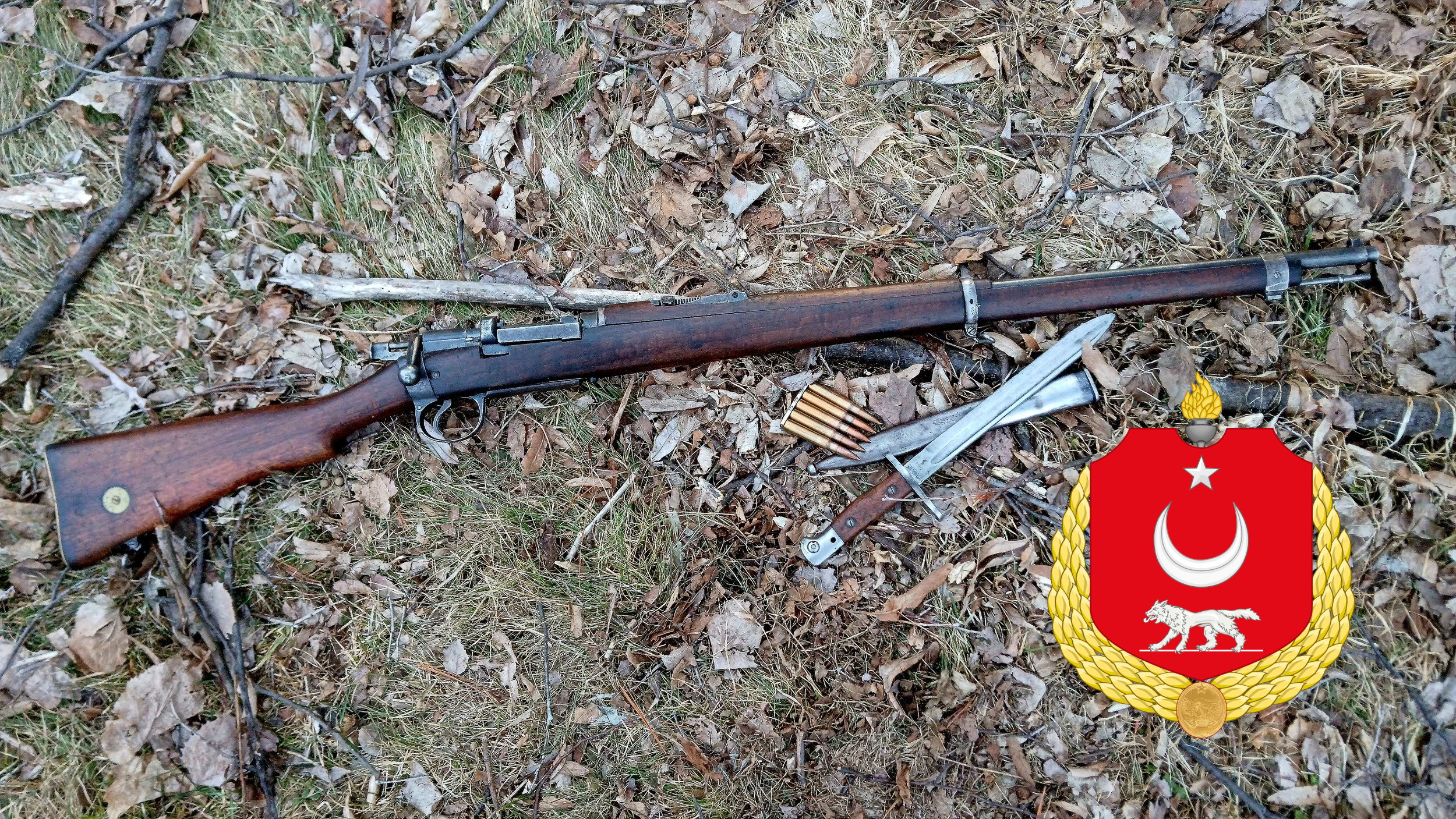
“Enfauser”
During and after the Great War, the Turks were pressed by a shortage of modern rifles, and in some cases they would turn to unorthodox solutions using captured weapons.
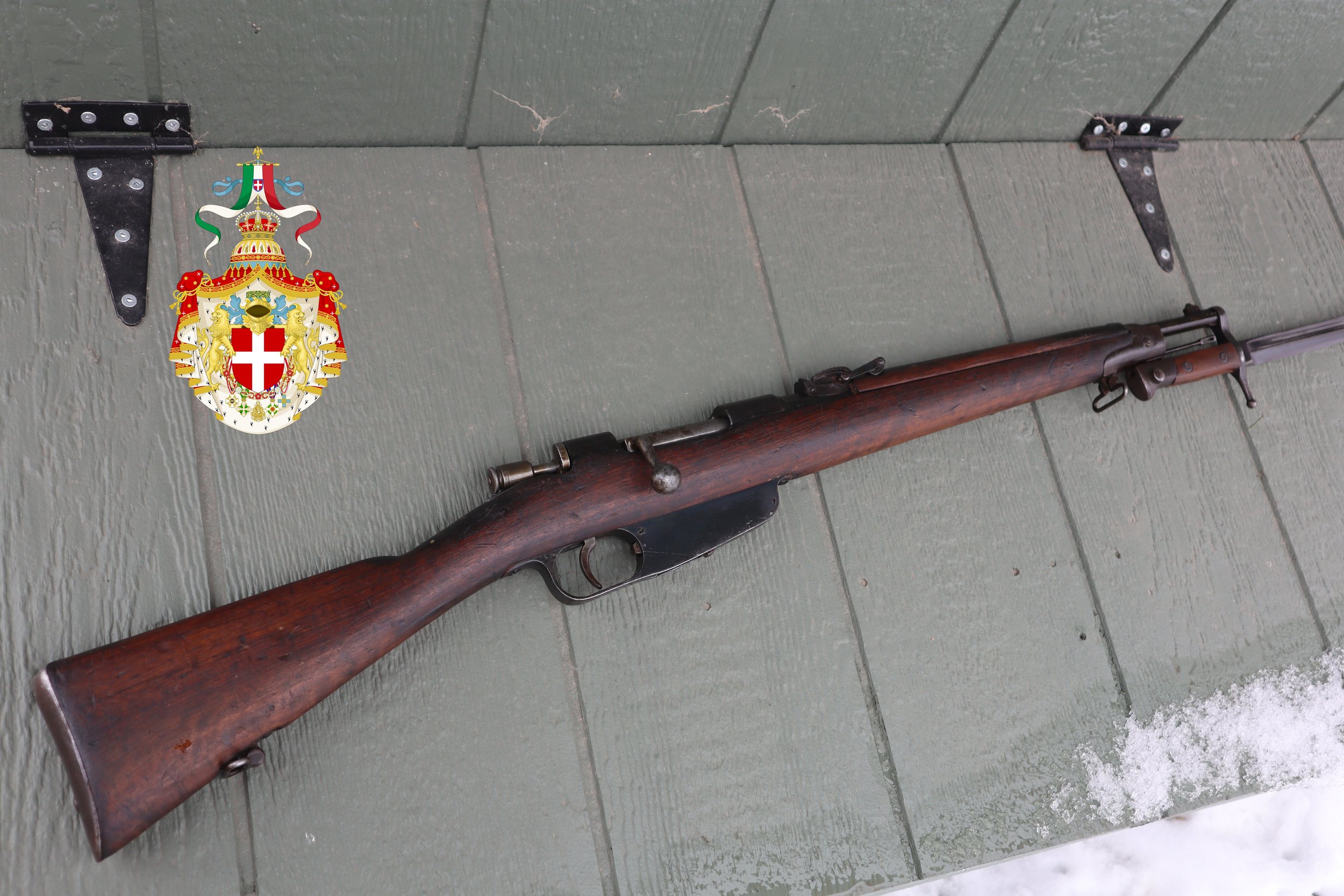
Carcano M91TS
A variant of the Carcano carbine intended for issue to specialists such as engineers and artillerymen, the Truppe Speciale model would become quite popular in the frozen trenches of the Great War’s Italian Front.

Mosin Nagant M91/30
With the turmoil of revolution behind the newly formed USSR, Stalin’s regime turned to modernization of the nation’s armed forces concurrently to the industrialization of the country.

M1917 Enfield
When the United States finally entered the Great War in 1917 it found itself facing a significant shortage of modern rifles, and turned to a foreign design already in mass production domestically.

Chinese Contract Kar98k
The end of a decades-long partnership between German arms manufacturers and China was a small lot of Kar98k Mauser rifles sent to Chiang Kai-Shek’s armies in the late 1930s.

Gewehr 88/05
Germany’s first smokeless powder design was not without its problems, but still found itself a prolific presence on the battlefields of the Great War.

Type 97 Arisaka
The standard sniper’s rifle of the Imperial Japanese military in the Second World War was a relatively unimpressive creation, being little more than a standard Type 38 rifle fitted with a scope.

Carcano M38/91
Despite attempts to replace the 6.5mm cartridge that had been deemed obsolete after the Great War, the improved short rifle pattern of the Carcano rifle would service as the official standard issue of the Regio Esercito in the Second World War.

Spanish Mauser M1893
A major step in the evolution of Paul Mauser’s iconic series of military rifles, the M1893 would be the final arm of Imperial Spain as well the inspiration behind an American icon.

Lee Enfield SMLE MkIII*
Despite initially looking to replace the entire system after the Boer War, the British Short, Magazine, Lee Enfield really came into its own during the Great War, cementing itself as one of the most iconic weapons of the conflict.

Mossberg M44US
Faced with a rapidly expanding military and a need to conserve primary small arms for the front lines, the US would turn to a simple but effective bolt action trainer in .22 Long Rifle.

Type 38 Arisaka
Problems with Japan’s first smokeless powder rifle prompted a redesign of the mechanism, leading to one of the strongest and simplest rifles ever produced, which would serve the Empire for almost half a century.


Mosin Nagant Dragoon
When the original Three-Line Rifle M1891 Mosin Nagant was adopted, a slightly shorter model followed soon after to fill a unique role in the army of Tsar Nicholas II

M1903 Springfield
Despite victory in the Spanish-American War of 1898, it was clear that the Krag rifles in American service were inferior to the Mausers used by their enemies. This prompt would lead to the development of a new universal short rifle that would serve in two world wars and beyond.

Vetterli M1878/81
A Swiss black powder bolt action repeater that represented the start of a new era, as the metallic cartridge, rotating bolt action and tube magazine came together.

Type I Carcano
An interesting hybrid rifle, the Type I is a fusion of the Italian Carcano action to the fittings of a Japanese Arisaka, and is an interesting example of cooperation between the European Axis and the Japanese Empire.

Lee Enfield RIC Carbine
Shortly after the turn of the 20th century, the British Royal Irish Constabulary adopted a new carbine for its constables, built from older MkI Lee Enfield and Lee Metford Carbines with some modifications. These would serve through the Easter Rising of 1916, as well as the subsequent Irish War of Independence that would see the end of British rule in most of Ireland, and the dissolution of the RIC itself in 1922.

Lebel M1886
The first smokeless powder rifle would put represent the most significant advance in small arms technology since the advent of gunpowder itself, but the rifle itself would be rapidly rendered obsolete, despite serving on for more than half a century.

Carcano Moschetto M1891
The cavalry carbine model of Italy’s Carcano is perhaps the most iconic of the series, having seen use by specialists such as the Arditi in the First World War as well as the Folgore paratroopers in the Second among many others.
Included at the end of each posting is a reference to the rarity and average price observed by the author. This is, or course, subjective, and results may vary depending on a variety of factors, including condition, certain markings, etc., while rarity may vary depending on time and location.
Rarity is marked on a scale as follows:
Production (currently produced)
Surplus (Currently available on the surplus market)
Common
Uncommon
Rare
Very Rare