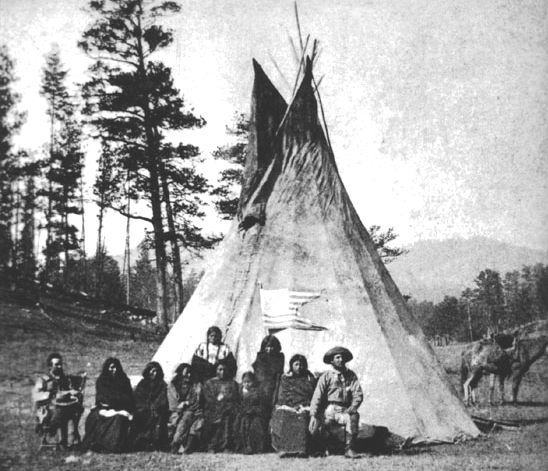
The End of the Great Sioux War
After the Battle of the Little Bighorn, the US Government and population were galvanized to prosecute the Great Sioux War to its full extent, and never again would the Plains Tribes achieve such a victory. By the spring of 1877 their military power was broken, and they had either been forced onto reservations or into exile in Canada.
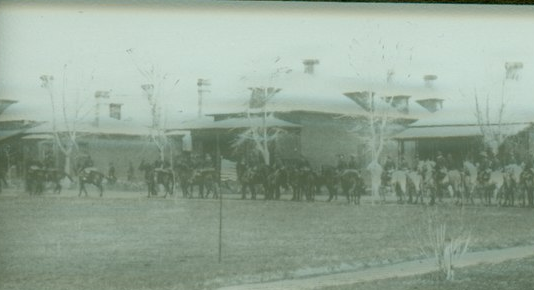
Order of Battle
The plan of operations in 1876 would see the US Army attacking with three columns to trap the hostile tribes in a vice, marching from the Dakota, Montana and Wyoming Territories. Meanwhile, Sitting Bull had amassed a coalition of Sioux bands along with Cheyenne and Arapaho to stand against Washington’s encroachment.
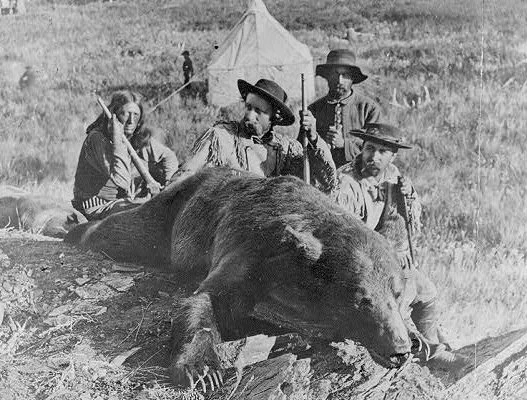
The Weapons
A variety of different arms were used both my the US Army and the tribes of the plains and Montana during the summer campaign of 1876. These ranged from the most modern cartridge repeaters to antiquated muskets and traditional bows and arrows.
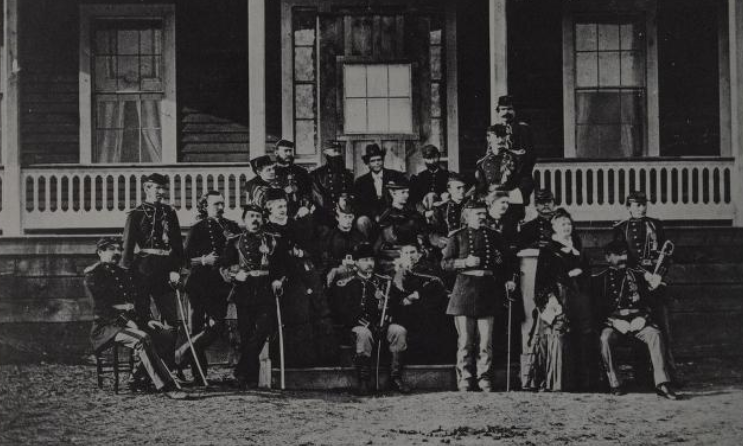
The Leaders
In addition to George Armstrong Custer, the operation into Montana in 1876 involved such figures as Sitting Bull, Ulysses Grant, Crazy Horse and Marcus Reno, among others.
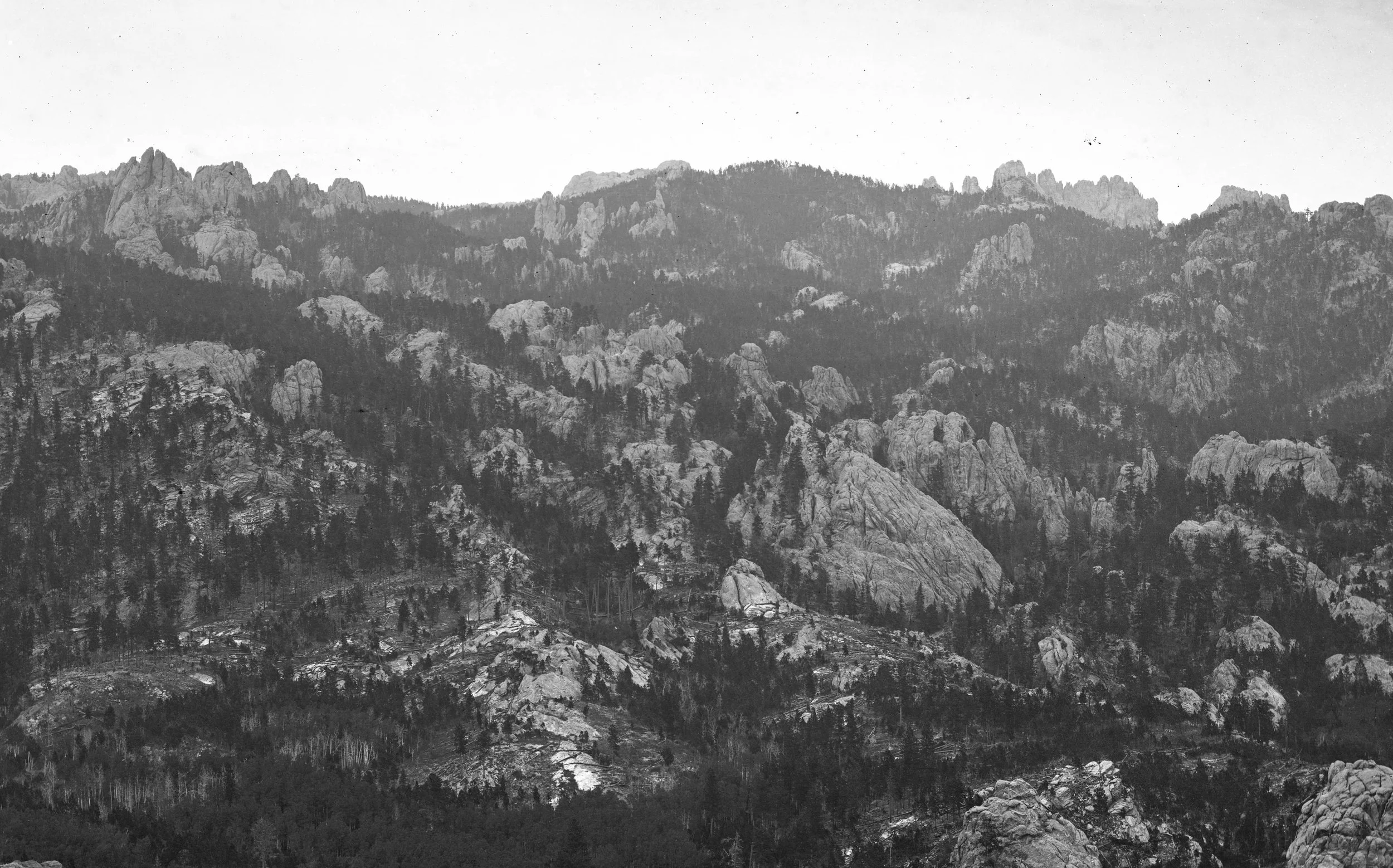
The Black Hills
The Great Souix War of 1876 was the result of increased tensions stemming from treaty violations following the discovery of gold in the Black Hills of the Dakota Territory. These discoveries, confirmed by George Custer in 1874, had caused a flood of prospectors in the region, as well as a cash strapped government to look to negating the Fort Laramie Treaty in order to secure the mineral wealth of a land sacred to the indigenous peoples.