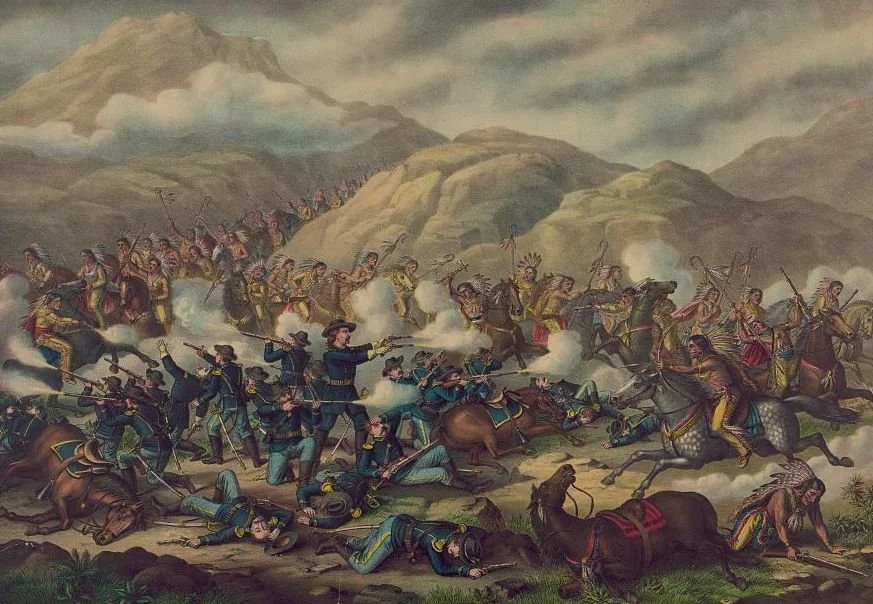
Last Stand on Greasy Grass
The Battle of the Little Bighorn
Montana - 1876
Great Sioux War
Follow the advance of General George Armstrong Custer and his 7th US Cavalry to their infamous defeat on the banks of the Little Bighorn in Montana day by day as it happened.
Starting May, 2026
Contextual Information
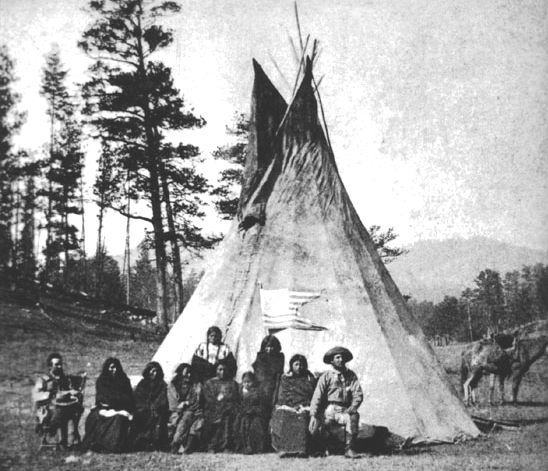
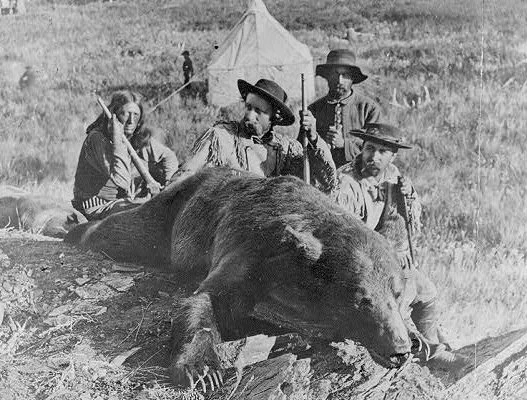
Tuesday, June 27
Terry arrives at the grisly scene along the Little Bighorn and makes contact with Reno and Benteen. The full scope of the defeat on the Little Bighorn becomes apparent, as the task of burying the dead and assigning blame begins.
Monday June 26
Reno’s command remains besieged through the day as Sitting Bull breaks camp and begins to move south rather than be caught be Terry and Gibbon advancing from the north. News begins to trickly to Terry’s command about the fate of Custer, but is not generally believed as of yet.
Sunday, June 25
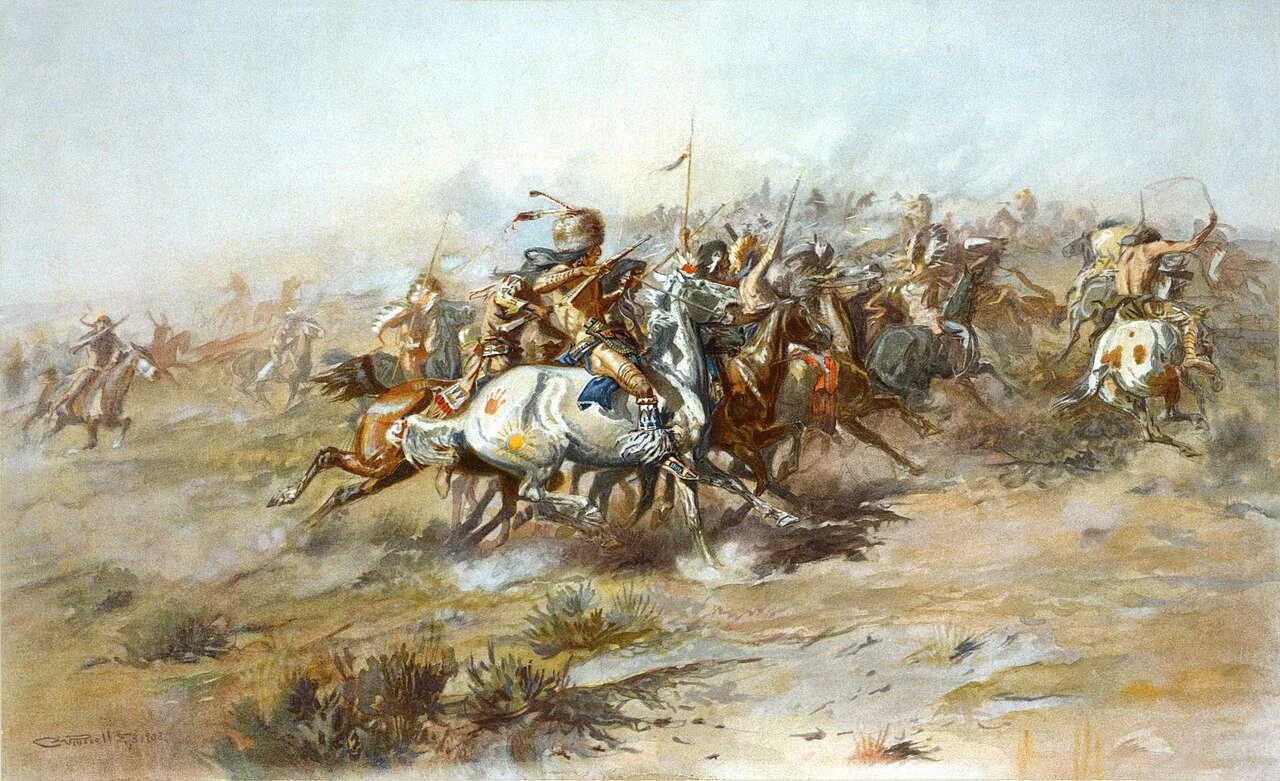
The 7th Cavalry attacks Sitting Bull’s camp along the Little Bighorn River. Be the end of the day more than half of the Regiment has been annihilated, and George Custer lies dead on a hillside. The remnants of the command are under siege on a ridge to the south, desperately awaiting the arrival of General Terry and the Wyoming Column.
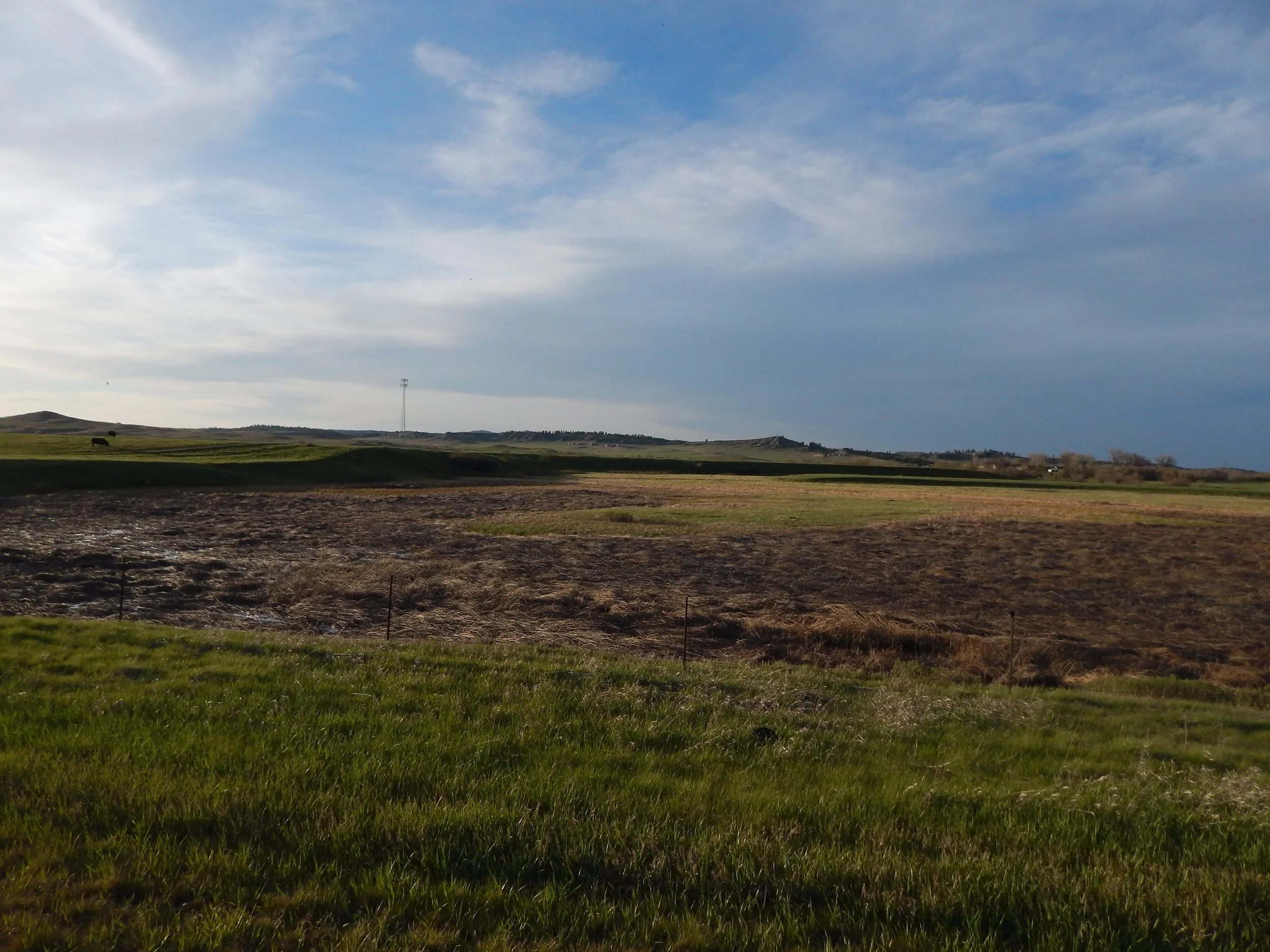
Saturday, June 24
The 7th Cavalry breaks off from the Rosebud and heads west into the Wolf Mountains, the scouts sent ahead to reconnoiter the valley of the Little Bighorn just beyond, while the Montana Column begins moving south along the Bighorn River.
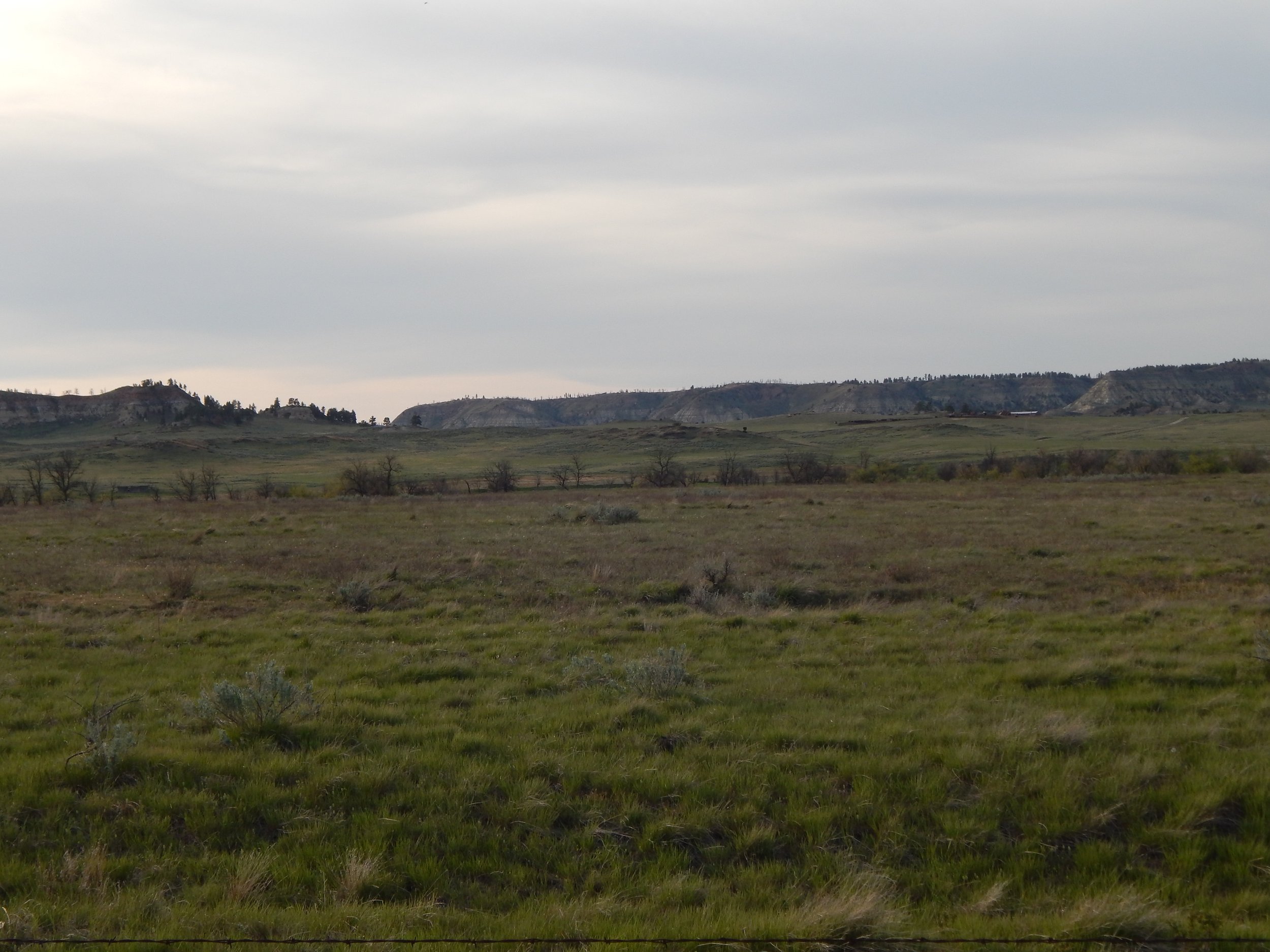
Friday, June 23
The 7th Cavalry find the campsites noted by Reno on his scout as they continue southward along the Rosebud. Meanwhile, the Montana Column reaches Fort Pease near the mouth of the Bighorn.
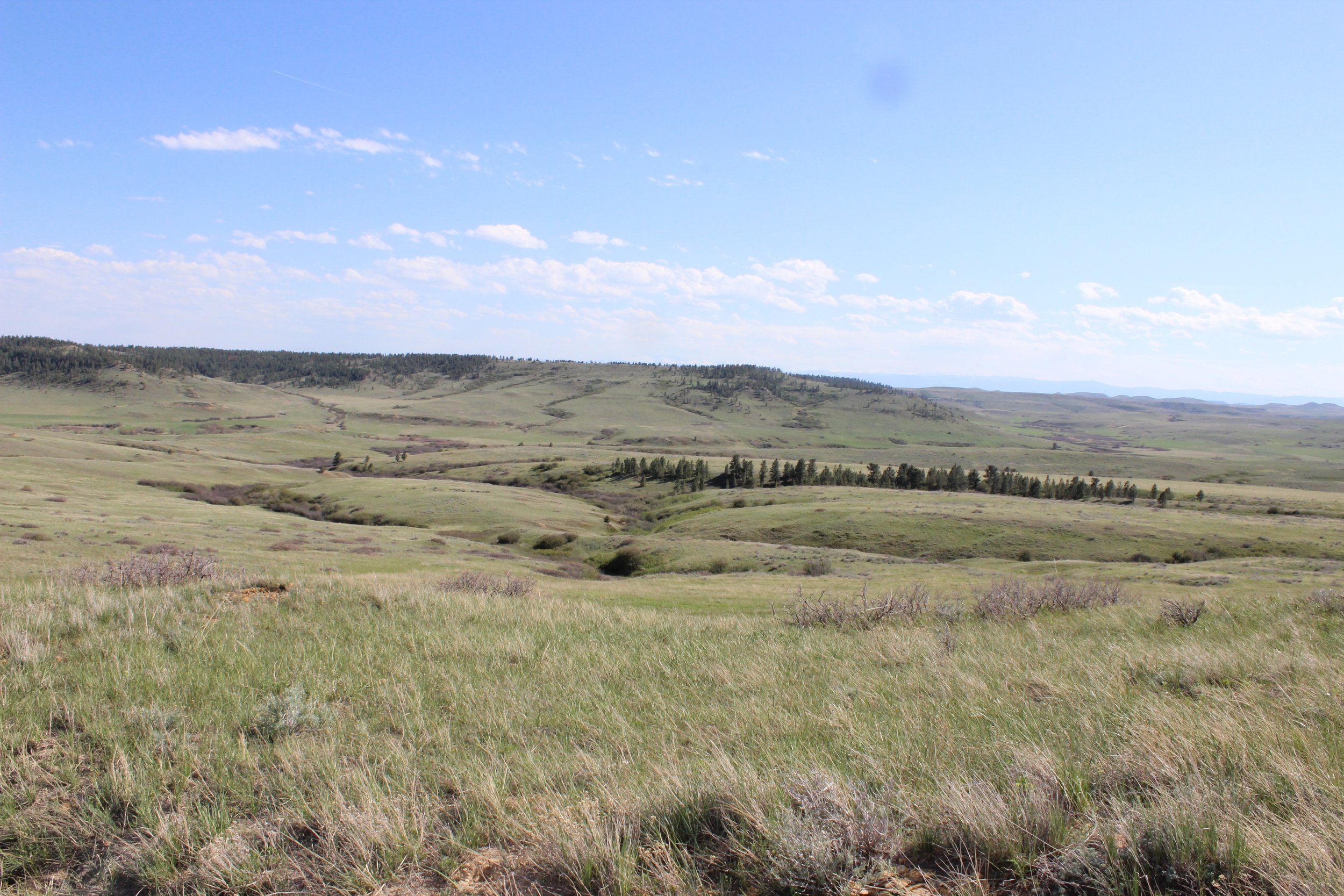
Thursday, June 22
Custer starts off along the Rosebud, with a melancholy mood permeating his command as they march. The General himself seems concerned, with many taking the foreboding atmosphere to be a sign that many would not return.
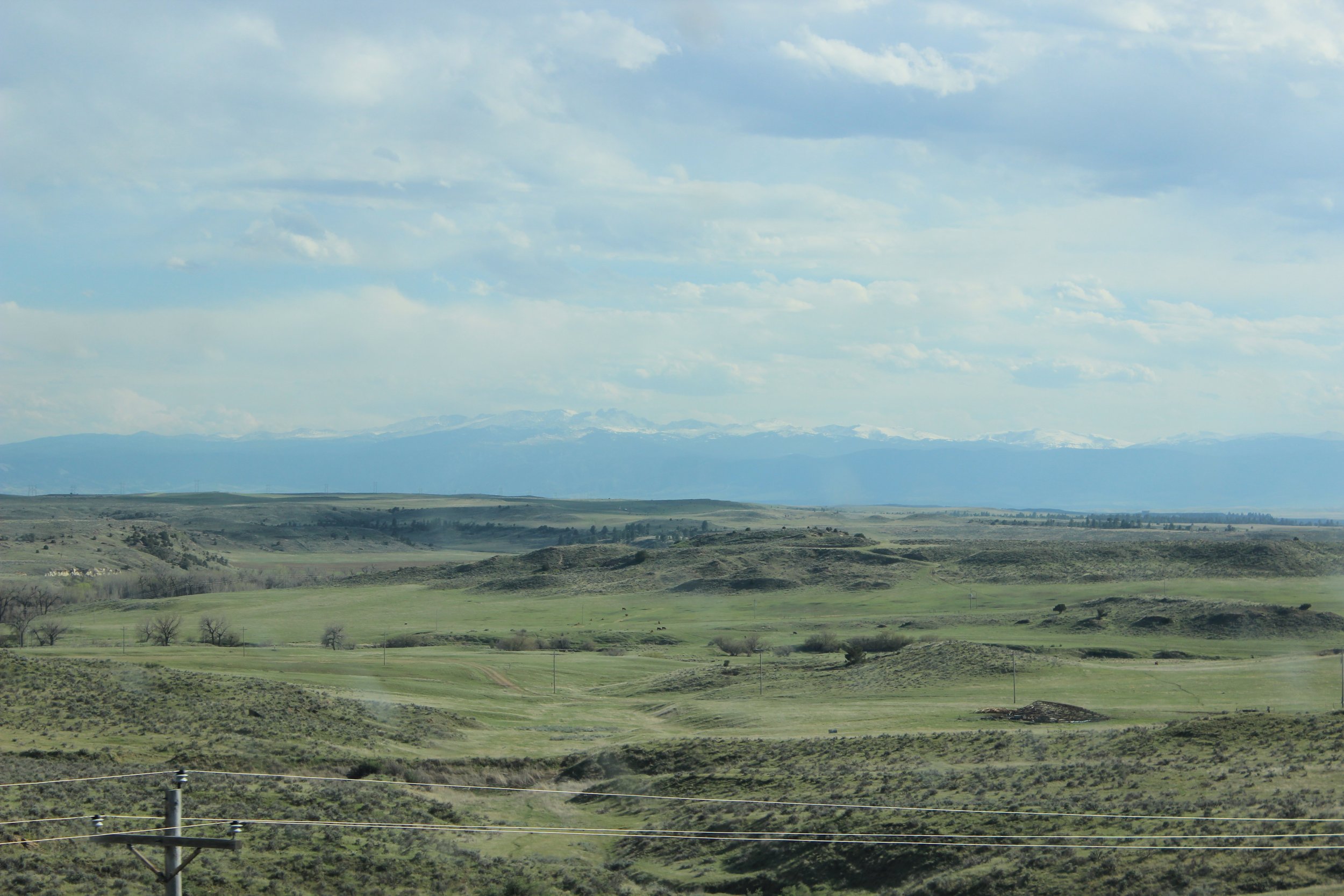
Wednesday, June 21
Terry issues his orders and the 7th Cavalry prepares to move out for the the Little Bighorn, as Gibbon’s men begin to move down the Yellowstone in order to form a right wing to Custer’s left.
Tuesday, June 20
Reno rejoins the main force and is excoriated by Terry and Custer for his disobedience of orders. Following this reunion, Terry reworks his plan for the next phase of the campaign, with orders for a commander’s conference on the morrow.
Monday, June 19
Terry is infuriated as he learns of Reno’s deviation from his orders, while Crook’s battered column reaches their camp in Wyoming. Meanwhile, Sitting Bull moves along the Little Bighorn after interring their dead from the Rosebud.
Sunday, June 18
Reno makes contact with Gibbon as he reaches the Yellowstone, while Crook begins to move his mauled force back southward into Wyoming after the defeat at the Rosebud.
Saturday, June 17
Reno begins to move northward to rejoin the main force, as just to his south Crook encounters the Sioux in force on the Rosebud, engaging in a significant battle on the hills around the creek with Sitting Bull’s warriors, eventually left in control of the field but compelled to retreat, his supplies nearly exhausted.
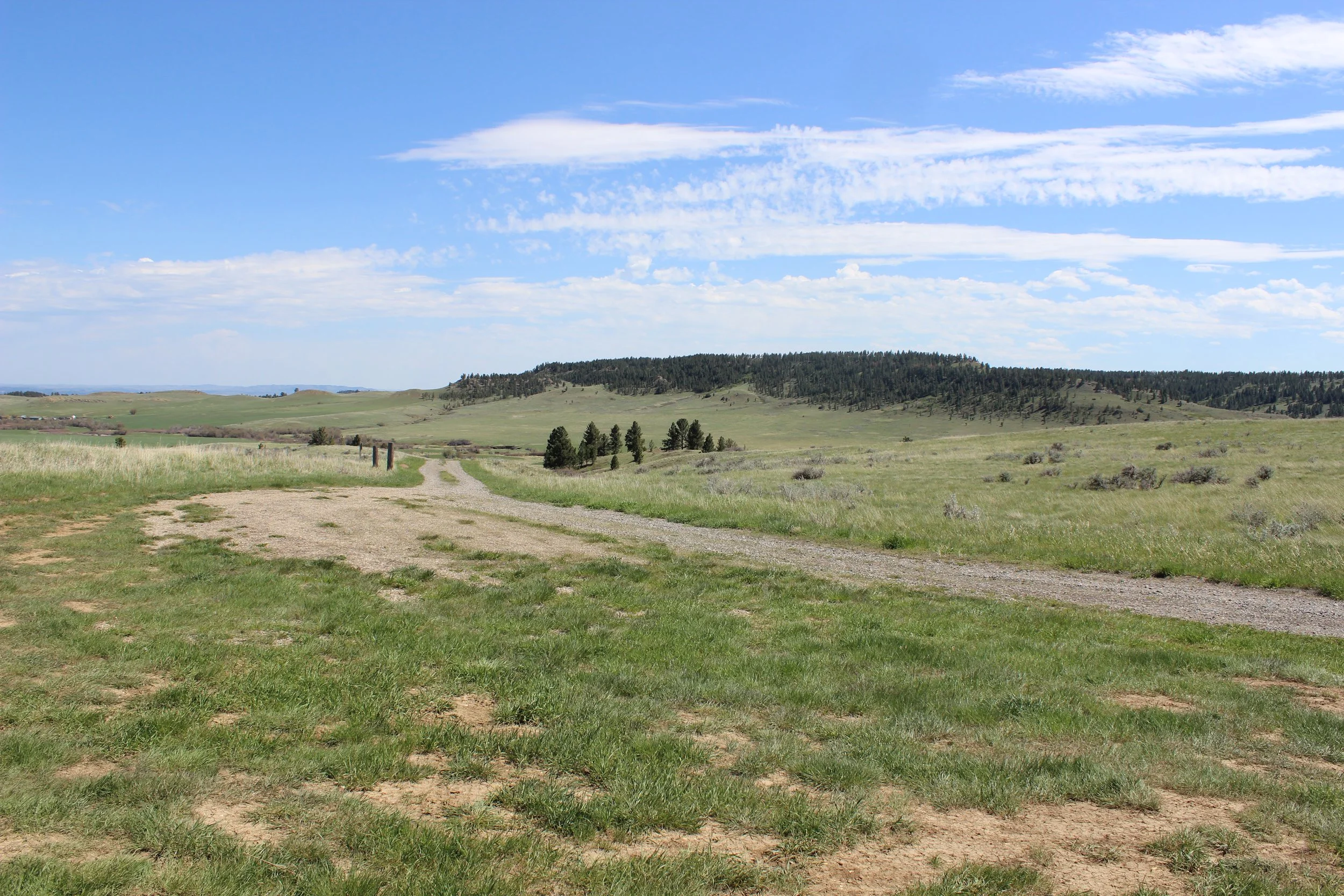
Friday, June 16
Custer locates a burial ground along the Tongue, while Reno moves the Rosebud after finding Sitting Bull’s trail. Meanwhile, Crook moves out for the north, reaching the headwaters of the Rosebud as both his men and Sitting Bull’s warriors prepare for battle.
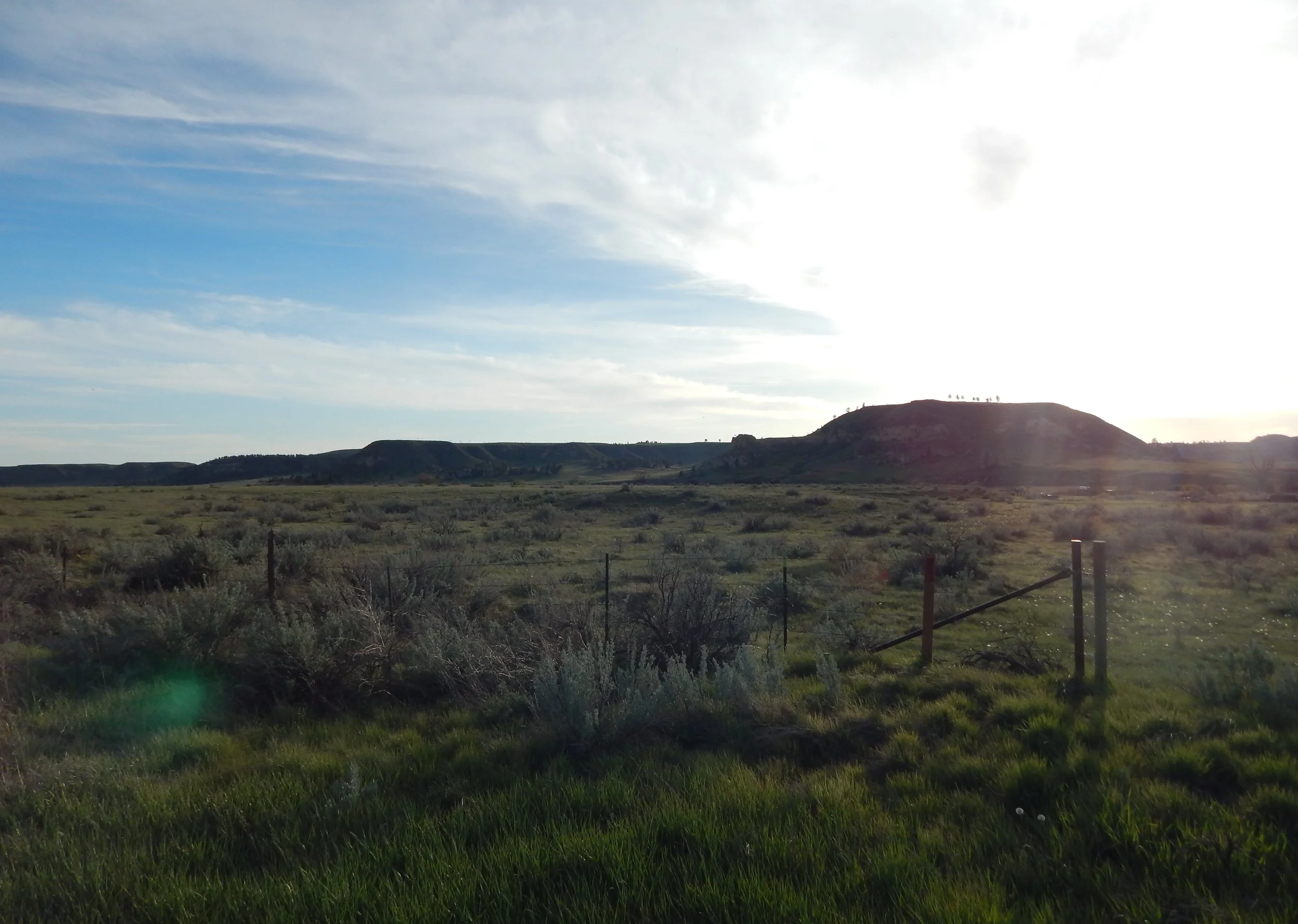
Thursday, June 15
Custer moves out from the Powder River Depot, while Reno continues to move westward and Crook prepares to move out from his camp to move northward into Montana. Meanwhile Sitting Bull experiences a vision as the Sun Dance comes to a close along the Rosebud.
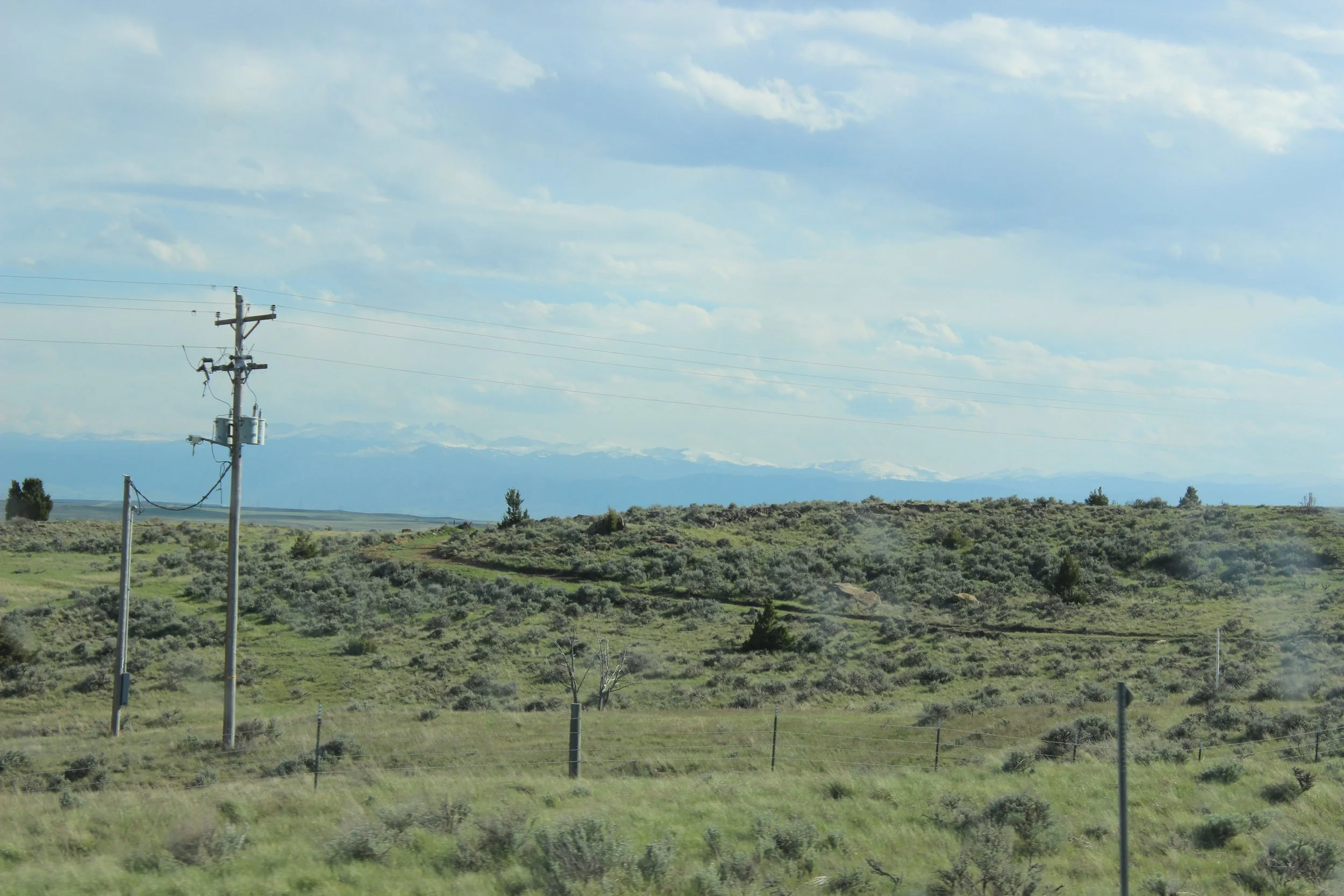
Wednesday, June 14
Reno’s scouts deviate from the path ordered by Terry in hopes of locating the hostile encampment, while in the south Crook’s command is bolstered by the arrival in force of Crow and Shoshone scouts, joining them for their expedition to the north.
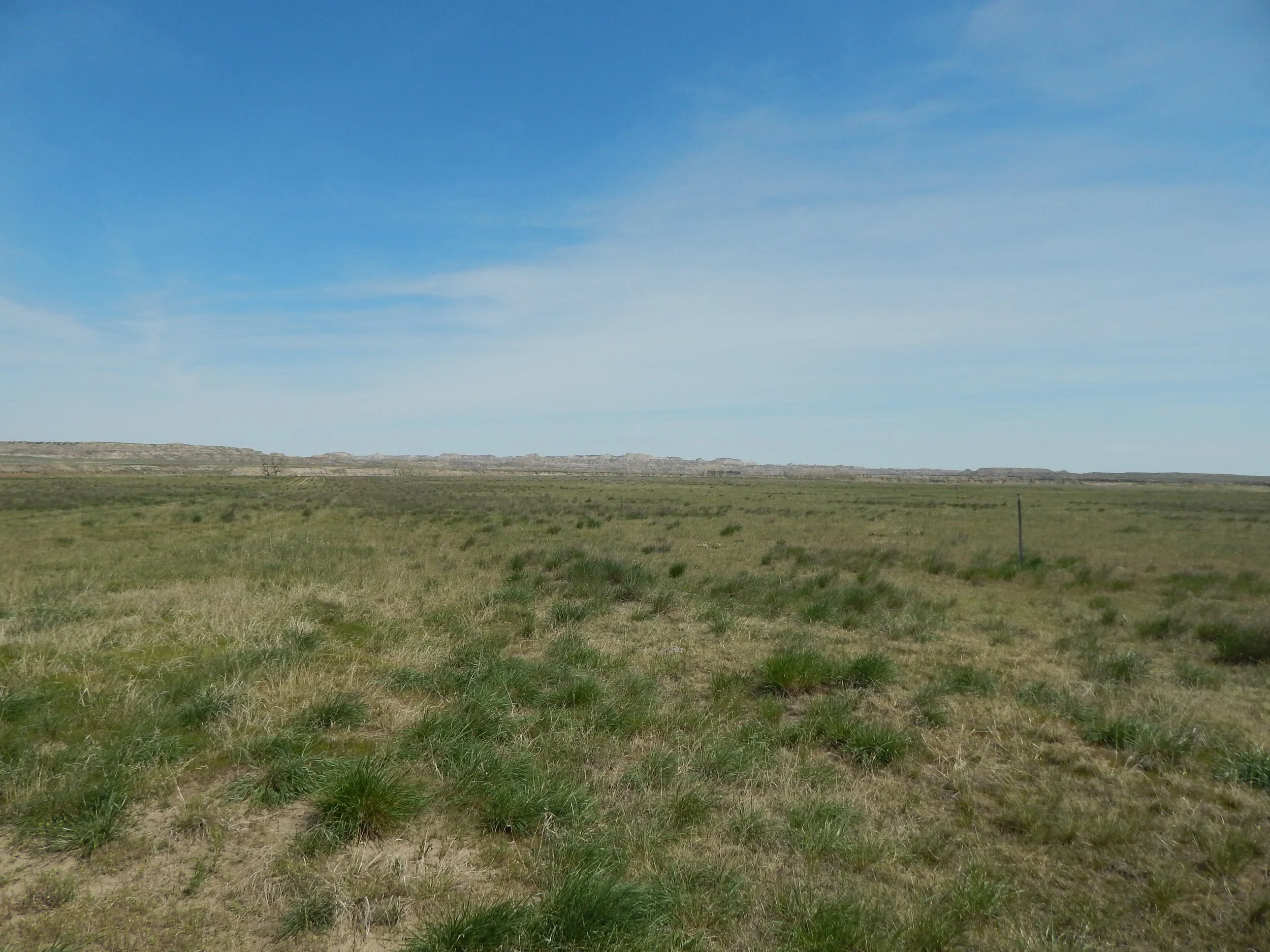
Tuesday, June 13
Reno’s scout arrives at the Mizpah and begins to pivot to the west as the Powder River Depot continues to take shape. The Montana Column experiences hard going on the soft, muddy ground, while the Wyoming Column remains encamped.
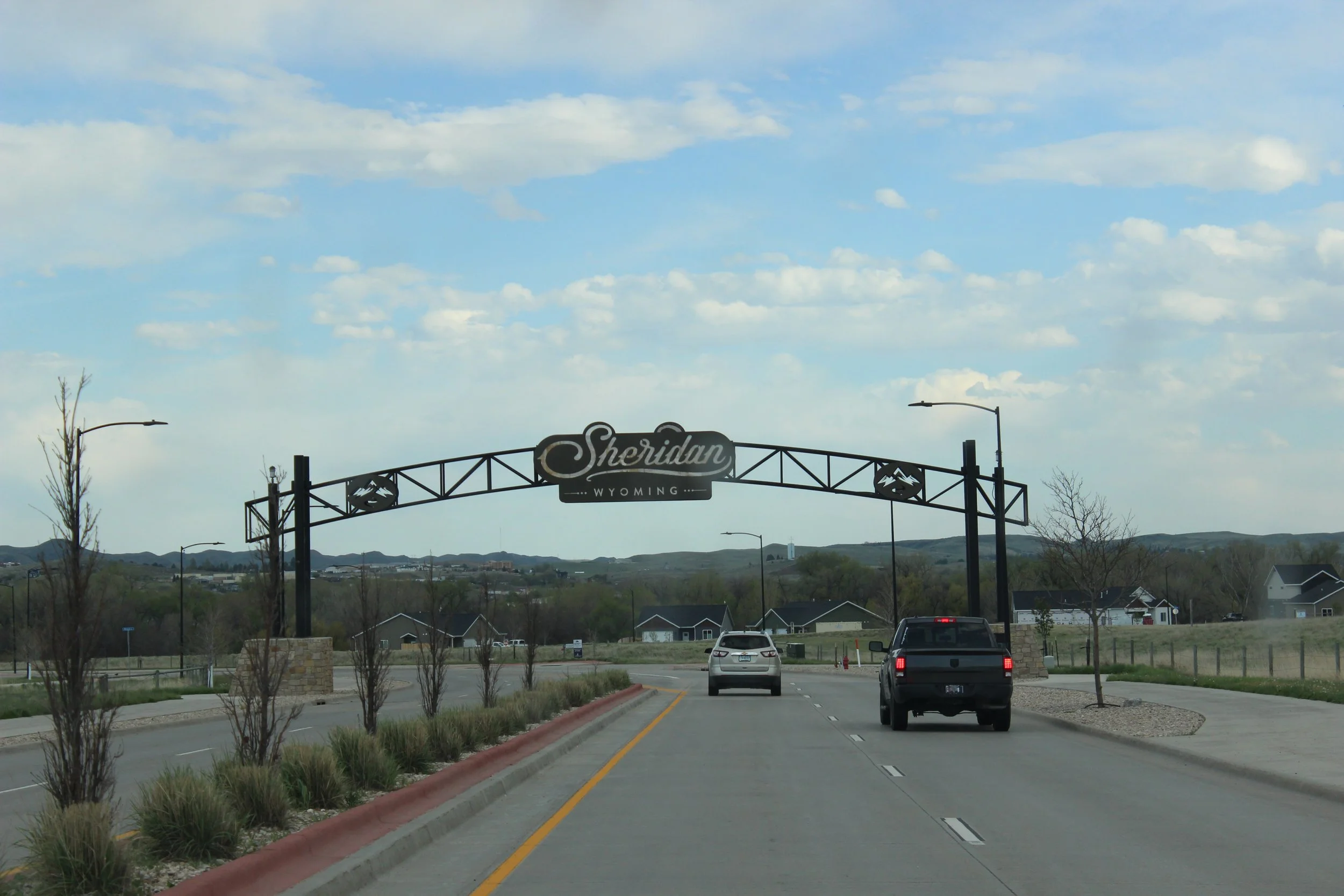
Monday, June 12
Reno’s scouts locate an abandoned Sioux camp while the bulk of the Dakota Column busies itself with building up the Powder River Depot, and Gibbon continues to move back to the west along the Yellowstone.
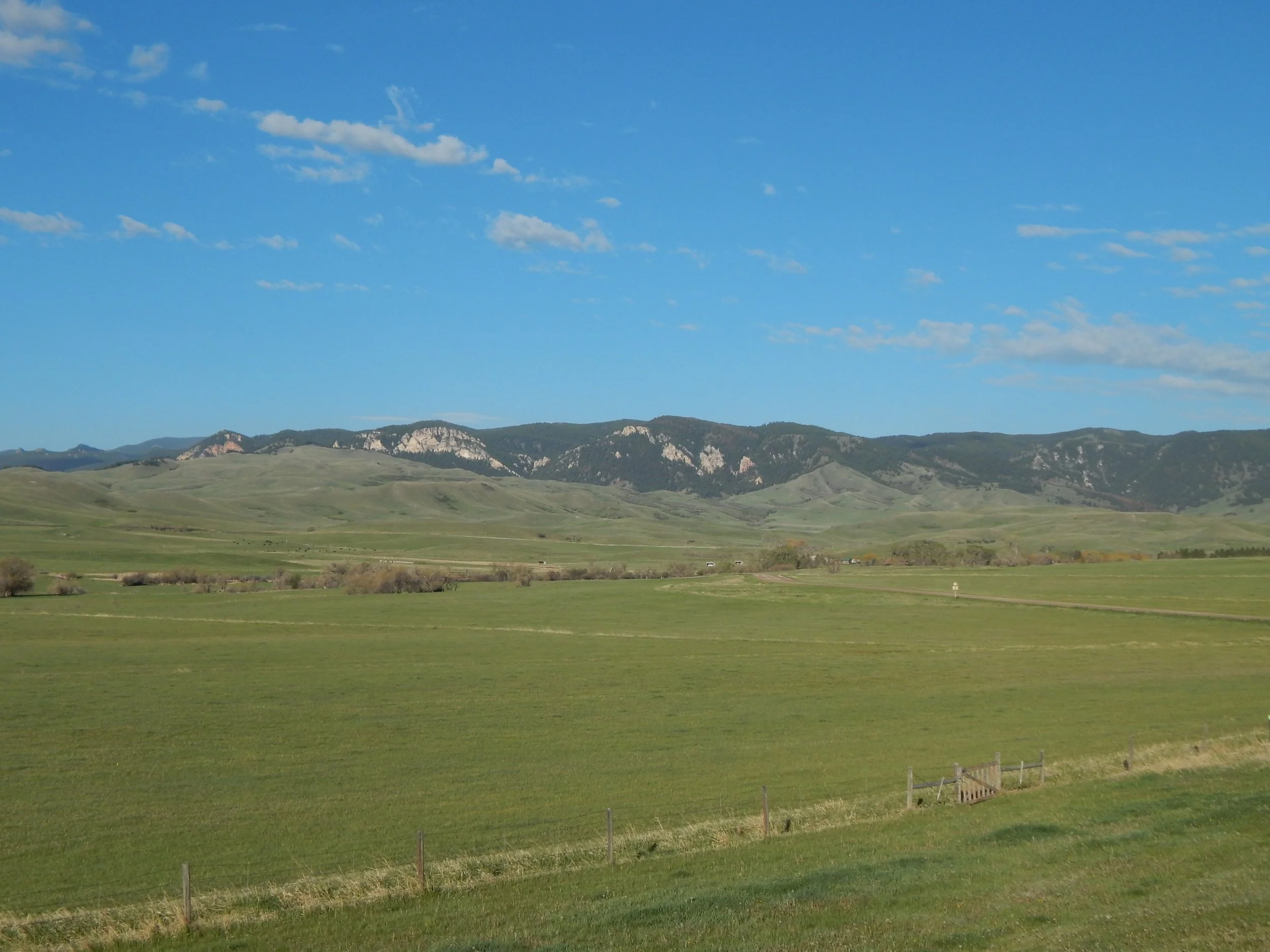
Sunday, June 11
The Dakota Column reaches the Powder River Depot to rest and resupply as Reno makes his scouting mission, while the Wyoming Column moves to the confluence of the Goose Creek in modern day Sheridan, Wyoming.
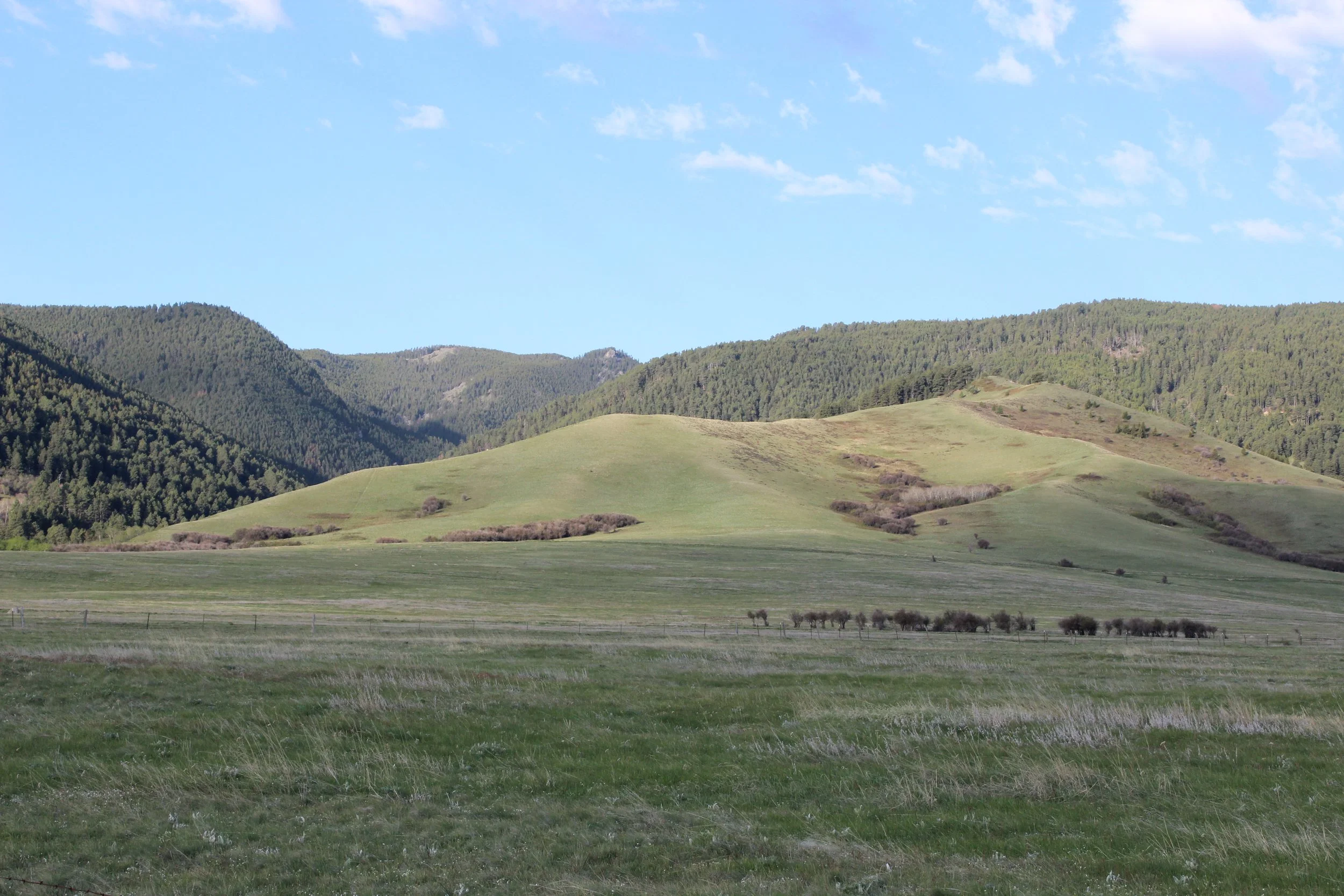
Saturday, June 10
The 7th Cavalry’s scout begins with Major Reno in command, intending to sweep the country between the Powder and Tongue rivers, while the rest of the Dakota Column and the Wyoming Column prepare to move out the next day.
Friday, June 9
Terry makes contact with Gibbon on the Yellowstone, while the all three columns remain in position for a dreary, rainy day broken only by a minor skirmish as a Sioux raiding party attacks Crook’s camp along the Tongue.
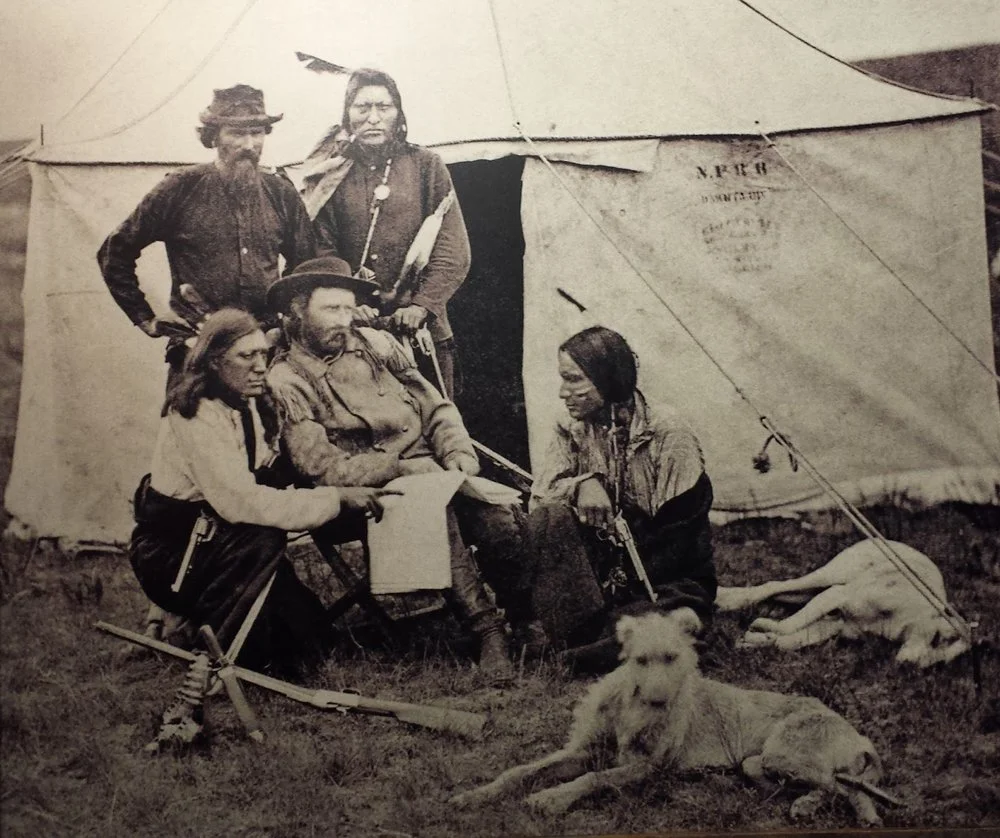
Thursday, June 8
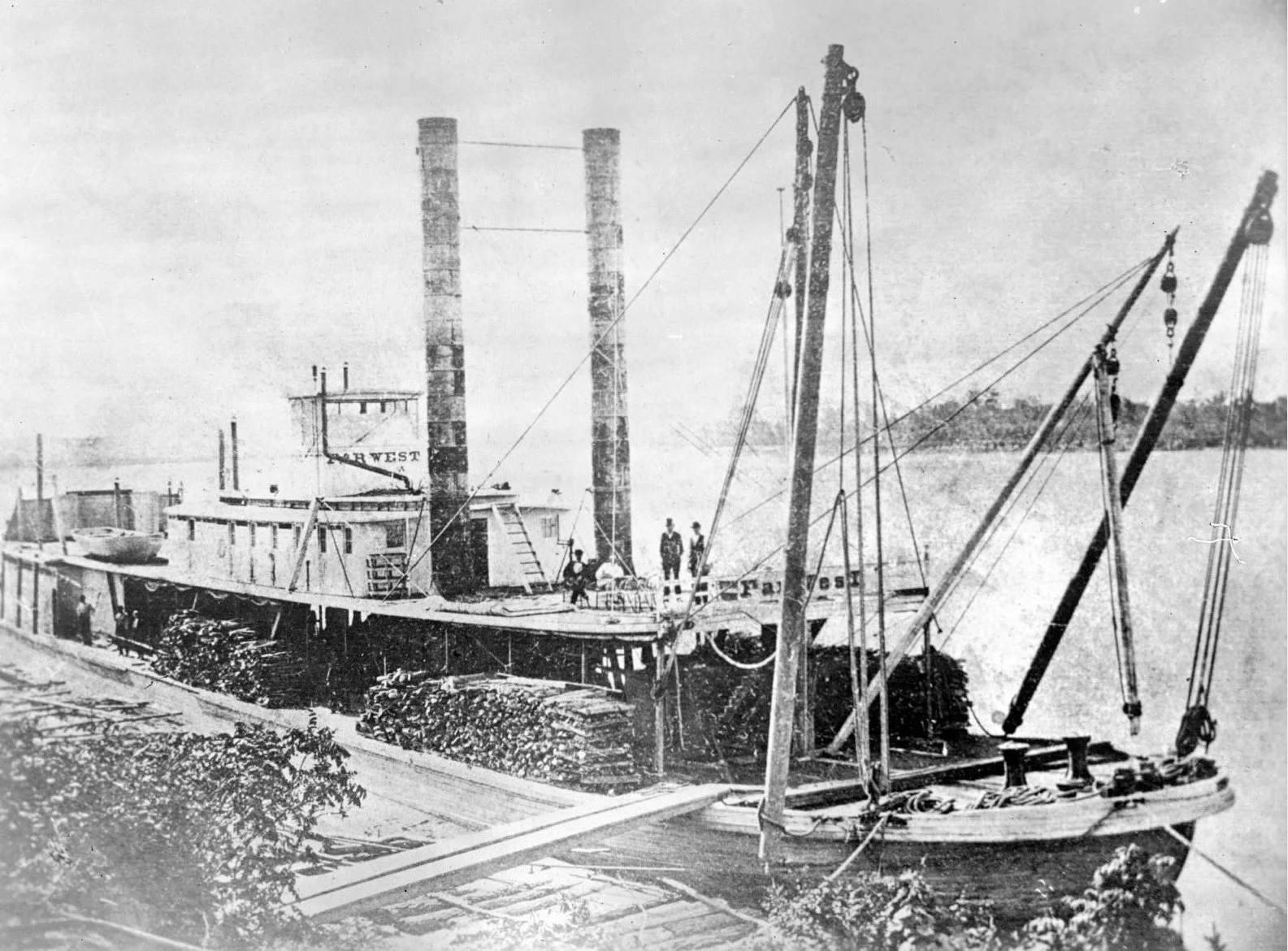
The Dakota Column remains in position under Custer’s command as Terry moves north to meet the steamer Far West, while Gibbon also nears its position. The Wyoming Column also holds position, as a communication error delays the arrival of Crow scouts to their positon.
A number of sources were used for the creation of this project, cited within.

The Battle of Manila - WWII - February, 1945

Exercise Rhine, WWII, May 1941

The Battle of Hue, Vietnam, February 1968
The Battle of Tannenberg - WWI - August 1914
The Battle of the Little Bighorn - Great Sioux War - 1876